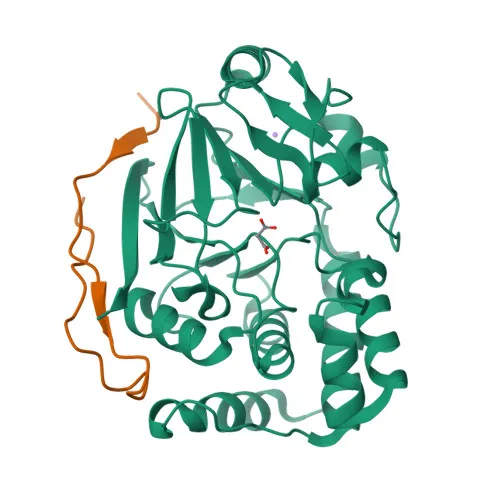
Monoclonal Antibodies
Rabbit anti-Human/Monkey Ki67 mAb - P46013
Item Number : CM0012228
Price varies based on specs and customizations
- Application
- FC (intra)
- Cross Reactivity
- Human, Cynomolgus
- Protein Weight
- 319kDa/359kDa

Shipping:
Contact us to get shipping details Enjoy On-time Dispatch Guarantee.
Why Choose Us
Easy ordering process, quality products, and dedicated support for your business success.
Core Product Specifications and Parameters
| Parameter | Value |
|---|---|
| Product Name | Rabbit anti-Human/Monkey Ki67 mAb |
| Remarks/Alias | KIA; MIB-; MIB-1; PPP1R105 |
| Species | Human |
| GeneID | 4288 |
| Immunogen | A synthetic peptide corresponding to a sequence within amino acids 2271-2370 of human Ki67 (NP_002408.3). |
| Source | Rabbit |
| Category | Monoclonal Antibodies |
| Application | FC (intra) |
| Cross Reactivity | Human, Cynomolgus |
| SWISS | P46013 |
| Protein Weight | 319kDa/359kDa |
| Shipping | Ice bag |
Biological Background: Ki67 Function and Localization
- Proliferation marker protein Ki-67 (antigen KI-67) is a nuclear protein encoded by the MKI67 gene; it is widely used as a marker for cell proliferation.
- During early mitosis, Ki-67 relocalizes from nucleoli to the chromosome surface, where it forms extended brush-like structures that physically separate chromosomes, preventing their collapse into a single chromatin mass via steric and electrostatic repulsion. Related references: PMID:27362226
- As mitosis progresses to anaphase, dephosphorylation of Ki-67 triggers a functional switch: the brush collapses and Ki-67 promotes chromosome clustering and the exclusion of cytoplasmic particles from the forming nucleus. Related references: PMID:32879492, PMID:39153474
- Ki-67 can undergo liquid-liquid phase separation on chromosome surfaces, mediated by binding to premature ribosomal RNAs, which promotes coalescence of neighboring chromosomes during late mitosis. Related references: PMID:28935370, PMID:39153474
- The protein exhibits DNA-binding activity with a preference for supercoiled and AT-rich DNA. Related references: PMID:10878551
- Subcellular localization is dynamic: primarily found in the nucleolus during interphase, and associated with chromosomes throughout mitosis.
- Ki-67 is subject to multiple post-translational modifications including phosphorylation, acetylation, and ubiquitination, which regulate its mitotic functions.
Experimental Guidance and Technical Tips
- The antibody was raised against a synthetic peptide from the C-terminal region (aa 2271–2370); confirm that the epitope is accessible in your detection system, especially under fixation/permeabilization conditions used for intracellular flow cytometry.
- For intracellular staining, optimize fixation and permeabilization steps according to standard protocols to ensure adequate antibody penetration and antigen detection.
- Ki-67 expression is cell cycle-dependent; include appropriate controls (e.g., serum-starved or non-cycling cells) to validate specificity in your experimental model.
- The predicted molecular weight is ~319–359 kDa; confirm band size by denaturing gel electrophoresis if employed, and note that proteolytic fragments may also appear.
CamelBio: Your One-Stop Sourcing Bridge
CamelBio supports diagnostic manufacturers and research laboratories with a comprehensive one-stop procurement platform for IVD raw materials. Alongside the anti-Ki67 mAb, ideal for proliferation and oncology studies, we offer validated antibody pairs, bulk ancillary reagents, and custom sourcing for rare targets—streamlining your development from concept to clinic.
REQUEST A QUOTE
Our professional team will reply to you within one business day. Please feel free to contact us!