Monoclonal Antibodies
Rabbit anti-Human VCAM-1/CD106 Monoclonal Antibody (FC) - P19320
Item Number : CM0006092
Price varies based on specs and customizations
- Application
- FC
- Cross Reactivity
- Human
- Protein Weight
- 71kDa/74kDa/81kDa

Shipping:
Contact us to get shipping details Enjoy On-time Dispatch Guarantee.
Why Choose Us
Easy ordering process, quality products, and dedicated support for your business success.
Core Product Specifications and Parameters
| Parameter | Value |
|---|---|
| Product Name | Rabbit anti-Human VCAM-1/CD106 mAb |
| Remarks/Alias | CD106; INCAM-100 |
| Species | Human |
| Gene ID (Human) | 7412 |
| Gene ID | 7412 |
| Immunogen | Recombinant protein|Recombinant fusion protein containing a sequence corresponding to amino acids 25-698 of human VCAM1 (NP_001069.1). |
| Source | Rabbit |
| Category | Monoclonal Antibodies |
| Application | FC |
| Cross Reactivity | Human |
| SWISS | P19320 |
| Protein Weight | 71kDa/74kDa/81kDa |
| Shipping | Ice bag |
Biological Background: VCAM-1 Function and Localization
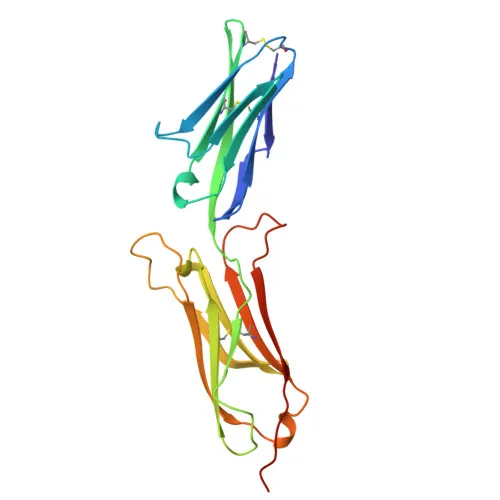
- VCAM-1 (CD106) is a cell adhesion glycoprotein of the immunoglobulin superfamily, containing multiple Ig-like domains and a transmembrane segment.
- It mediates leukocyte adhesion to the endothelium, facilitating immune surveillance and inflammatory responses through interactions with integrins.
Related references: PMID:31310649 PMID:10209034 - During inflammation, VCAM-1 engagement triggers calcium channel activation and the small GTPase RAC1, promoting transendothelial migration of leukocytes.
Related references: PMID:22970700 - In the bone marrow, VCAM-1 acts as a quality-control checkpoint by providing a 'don't-eat-me' signal in MHC class-I presentation, preventing phagocytosis of hematopoietic cells.
Related references: PMID:35210567 - Expressed predominantly on endothelial cells under inflammatory conditions, and also on macrophage-like and dendritic cells in both normal and inflamed tissues.
- Localizes to the cell membrane; a secreted form is also produced.
- Post-translational modifications include glycosylation, disulfide bond formation, and ubiquitination.
- Alternative splicing yields isoforms with molecular weights ranging from approximately 71 to 81 kDa.
Experimental Guidance and Technical Tips
- The immunogen encompasses the full extracellular domain (aa 25-698), ensuring recognition of the native membrane-bound form of human VCAM-1.
- For flow cytometry, titrate the antibody to determine optimal staining concentration and include appropriate isotype controls.
- Fixation and permeabilization may be employed if combined with intracellular staining, but confirm compatibility with the conjugate.
- Validate performance using human endothelial cell lines or peripheral blood samples under stimulated (e.g., TNF-alpha treated) conditions to upregulate VCAM-1 expression.
CamelBio: Your One-Stop Sourcing Bridge
CamelBio provides comprehensive IVD raw material solutions, including validated antibody pairs, optimized monoclonal and polyclonal antibodies, and bulk ancillary reagents—supporting your projects from research to diagnostics. The VCAM-1/CD106 target is integral to inflammation and immunology studies, and CamelBio ensures reliable access to high-quality raw materials. For rare targets or customized sourcing needs, contact us to streamline your supply chain.
REQUEST A QUOTE
Our professional team will reply to you within one business day. Please feel free to contact us!