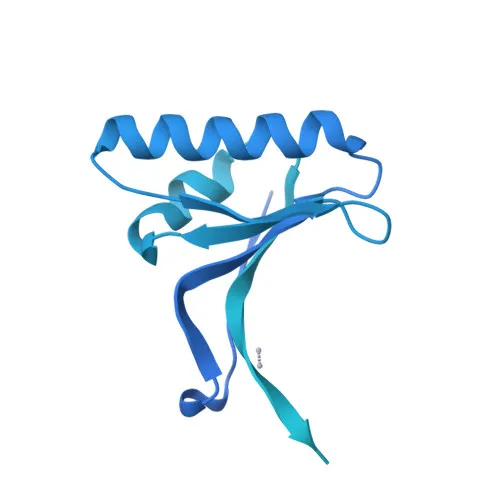
Monoclonal Antibodies
Rabbit anti-Human PCSK9 Monoclonal Antibody for Flow Cytometry - Q8NBP7
Item Number : CM0012644
Price varies based on specs and customizations
- Application
- FC (intra)
- Cross Reactivity
- Human
- Protein Weight
- 74kDa

Shipping:
Contact us to get shipping details Enjoy On-time Dispatch Guarantee.
Why Choose Us
Easy ordering process, quality products, and dedicated support for your business success.
Core Product Specifications and Parameters
| Parameter | Value |
|---|---|
| Product Name | Rabbit anti-Human PCSK9 mAb |
| Remarks/Alias | FH3; PC9; FHCL3; NARC1; LDLCQ1; NARC-1; HCHOLA3 |
| Species | Human |
| GeneID (Human) | 255738 |
| GeneID | 255738 |
| Immunogen | Recombinant protein | Recombinant fusion protein containing a sequence corresponding to amino acids 31-692 of human PCSK9 (NP_777596.2). |
| Source | Rabbit |
| Category | Monoclonal Antibodies |
| Application | FC (intra) |
| Cross Reactivity | Human |
| SWISS | Q8NBP7 |
| Protein Weight | 74kDa |
| Shipping | Ice bag |
Biological Background: PCSK9 Function and Localization
- PCSK9 is a proprotein convertase subtilisin/kexin type 9, also known as NARC-1, that regulates plasma cholesterol homeostasis by binding to LDL receptor family members and promoting their degradation. Related references: PMID:18039658
- It acts via a non-proteolytic mechanism to enhance hepatic LDLR degradation through a clathrin-mediated pathway, possibly directing LDLR to lysosomes. Related references: PMID:17461796, PMID:18197702, PMID:18799458
- PCSK9 also inhibits APOB degradation via the autophagosome/lysosome pathway and regulates BACE1 disposal. Related references: PMID:18660751
- It modulates neuronal apoptosis by altering LRP8/APOER2 levels, and inhibits ENaC-mediated Na+ absorption by reducing ENaC surface expression.
- Localizes to the cytoplasm, is secreted, and found in endosomes, lysosomes, cell surface, endoplasmic reticulum, and Golgi apparatus.
- Synthesized as a zymogen, PCSK9 undergoes autocatalytic cleavage; further post-translational modifications include glycosylation, phosphorylation, sulfation, and disulfide bond formation.
- Tissue expression is reported in neuro-epithelioma, colon carcinoma, hepatic and pancreatic cell lines, and Schwann cells.
Experimental Guidance and Technical Tips
- This antibody is designed for intracellular flow cytometry; therefore, cells must be fixed and permeabilized prior to staining. Optimize your fixation/permeabilization protocol for the target cell type.
- The immunogen (aa 31–692 of human PCSK9) encompasses the prodomain and catalytic domain, so the antibody may detect both full-length and cleaved PCSK9 forms; validate detection in the relevant biological context.
- As a directly conjugated antibody, no secondary antibody is required, simplifying the staining procedure and reducing background.
- Titrate the antibody in your assay to determine the optimal concentration; a typical starting range for conjugated antibodies in flow cytometry is 0.125–1 µg per million cells, but this should be verified empirically.
- This antibody is validated on human samples; cross-reactivity with other species has not been tested.
- Include appropriate controls (isotype control, unstimulated sample) and consider confirming specificity by siRNA knockdown or blocking with recombinant PCSK9.
CamelBio: Your One-Stop Sourcing Bridge
CamelBio is your one-stop sourcing partner for IVD raw materials, supporting diagnostic manufacturers and researchers from concept to clinic. For PCSK9-targeted assay development and cholesterol metabolism studies, we provide validated antibody pairs, optimized monoclonal and polyclonal antibodies, and bulk ancillary reagents. Our global network also enables sourcing of difficult-to-find raw materials for rare and emerging targets.
Product Datasheet
Rabbit anti-Human PCSK9 Monoclonal Antibody for Flow Cytometry - Q8NBP7
REQUEST A QUOTE
Our professional team will reply to you within one business day. Please feel free to contact us!