Monoclonal Antibodies
Rabbit anti-Human Nectin-4 Monoclonal Antibody for FC - Q96NY8
Item Number : CM0007741
Price varies based on specs and customizations
- Application
- FC
- Cross Reactivity
- Human
- Protein Weight
- 24kDa/55kDa

Shipping:
Contact us to get shipping details Enjoy On-time Dispatch Guarantee.
Why Choose Us
Easy ordering process, quality products, and dedicated support for your business success.
Core Product Specifications and Parameters
| Parameter | Value |
|---|---|
| Product Name | Rabbit anti-Human Nectin-4 mAb |
| Remarks/Alias | LNIR; PRR4; EDSS1; PVRL4; nectin-4 |
| Species | Human |
| GeneID (Human) | 81607 |
| Immunogen | Recombinant fusion protein containing a sequence corresponding to amino acids 32-146 of human Nectin-4 (NP_112178.2). |
| Source | Rabbit |
| Category | Monoclonal Antibodies |
| Application | FC |
| Cross Reactivity | Human |
| SWISS | Q96NY8 |
| Protein Weight | 24kDa/55kDa |
| Shipping | Ice bag |
Biological Background: Nectin-4 Function and Localization
- Nectin-4, also known as PVRL4, LNIR, or PRR4, is a member of the nectin family of immunoglobulin superfamily cell adhesion molecules, encoded by the NECTIN4 gene in humans.
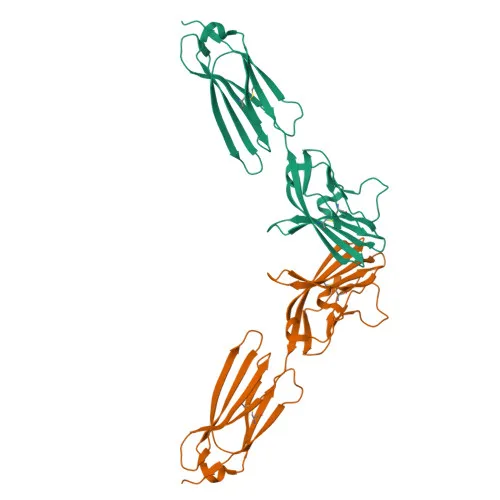
- It is a single-pass type I transmembrane protein composed of an extracellular domain with three Ig-like repeats, a transmembrane helix, and a cytoplasmic tail; multiple isoforms may exist due to alternative splicing.
- Nectin-4 mediates cell adhesion through trans-homophilic and trans-heterophilic interactions, particularly with NECTIN1, contributing to adherens junction formation and tissue organization.
- The protein is predominantly expressed in the placenta under normal physiological conditions, but is not detected in normal breast epithelium; it is, however, upregulated in breast carcinoma and other malignancies.
- Subcellularly, Nectin-4 localizes to the cell membrane and cell-cell adherens junctions; a soluble secreted form has also been reported.
- Key post-translational modifications include disulfide bond formation and glycosylation; it has been implicated in ectodermal dysplasia syndromes.
- In the context of microbial infection, Nectin-4 serves as the primary cellular receptor for measles virus entry, highlighting its role in host-pathogen interactions.
Experimental Guidance and Technical Tips
- The immunogen used corresponds to the N-terminal extracellular region (amino acids 32-146) of human Nectin-4; this domain is involved in ligand recognition and virus binding, making the antibody suitable for detecting surface-expressed receptor.
- This antibody is validated for flow cytometry (FC) applications; for optimal staining, titrate the antibody and include appropriate isotype control and Fc blocking steps.
- Given the tissue specificity, consider testing on placental tissue or breast carcinoma cell lines as positive controls, and normal breast epithelial cells as a negative reference.
- Cross-reactivity has been confirmed for human; performance in other species should be verified experimentally before use.
CamelBio: Your One-Stop Sourcing Bridge
CamelBio acts as a comprehensive sourcing bridge for IVD raw materials, offering validated antibody pairs, optimized monoclonal/polyclonal antibodies, and bulk ancillary reagents. For Nectin-4 research in oncology and infectious disease, our portfolio supports assay development with reliable raw material supply—from early-stage concept to clinical application. Contact us to discuss your specific sourcing needs for this target or other rare biomarkers.
REQUEST A QUOTE
Our professional team will reply to you within one business day. Please feel free to contact us!