Monoclonal Antibodies
Rabbit anti-Human KLRG1 PolymAb® for FC - Q96E93
Item Number : CM0005094
Price varies based on specs and customizations
- Application
- FC
- Cross Reactivity
- Human
- Protein Weight
- 22kDa

Shipping:
Contact us to get shipping details Enjoy On-time Dispatch Guarantee.
Why Choose Us
Easy ordering process, quality products, and dedicated support for your business success.
Core Product Specifications and Parameters
| Parameter | Value |
|---|---|
| Product Name | Rabbit anti-Human KLRG1 PolymAb® |
| Remarks/Alias | 2F1; MAFA; MAFA-L; CLEC15A; MAFA-2F1; MAFA-LIKE |
| Species | Human |
| GeneID | 10219 |
| Immunogen | Recombinant fusion protein containing a sequence corresponding to amino acids 60-195 of human KLRG1 (NP_001316028.1) |
| Source | Rabbit |
| Category | Monoclonal Antibodies |
| Application | FC |
| Cross Reactivity | Human |
| SWISS | Q96E93 |
| Protein Weight | 22kDa |
| Shipping | Ice bag |
Biological Background: KLRG1 Function and Localization
- Official full name: Killer cell lectin-like receptor subfamily G member 1; also known as MAFA (mast cell function-associated antigen), CLEC15A, and ITIM-containing receptor MAFA-L. Encoded by the KLRG1 gene.
- Functions as an inhibitory receptor on natural killer (NK) cells and T cells upon binding to non-MHC ligands. Plays a role in missing-self recognition by binding to a conserved site on classical cadherins (E-cadherin/CDH1, N-cadherin/CDH2, R-cadherin/CDH4) on target cells, thus monitoring cadherin expression.
- Belongs to the C-type lectin domain family 15 (CLEC15A) and contains a single ITIM (immunoreceptor tyrosine-based inhibitory motif) in its cytoplasmic domain, mediating inhibitory signaling.
- Localizes to the cell membrane as a single-pass type II transmembrane glycoprotein, with a signal-anchor topology.
- Expression is restricted to NK cells and T cells, predominantly CD8+ T cells, consistent with its immune regulatory role.
- Post-translational modifications include glycosylation and disulfide bond formation, and alternative splicing generates multiple isoforms (note: the provided sequence corresponds to isoform 2, according to the immunogen).
Experimental Guidance and Technical Tips
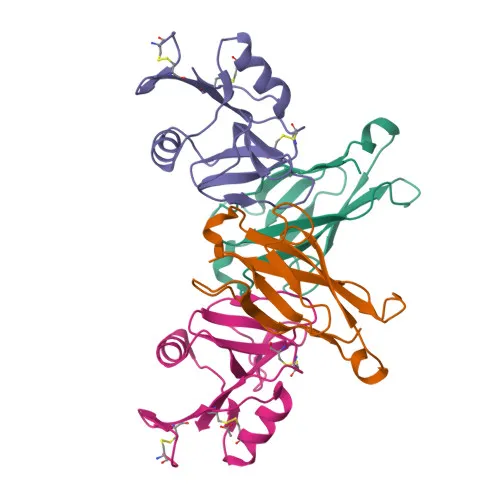
- The immunogen corresponds to the extracellular domain (amino acids 60-195) of human KLRG1 isoform 2 (NP_001316028.1); this region encompasses the cadherin-binding C-type lectin domain, facilitating specific detection of native conformations.
- This antibody is directly conjugated to , a bright and photostable fluorophore, enabling direct flow cytometry without a secondary antibody. It is recommended for detecting KLRG1 on the surface of live human NK cells and CD8+ T cells.
- For optimal results, titrate the antibody to determine the ideal concentration for your specific cell type and experimental conditions. Include appropriate isotype controls and Fc receptor blocking to minimize non-specific binding.
- Validate in the relevant sample system (e.g., human peripheral blood mononuclear cells) by co-staining with lineage markers (CD3, CD56, CD8) to confirm expected expression patterns.
CamelBio: Your One-Stop Sourcing Bridge
CamelBio serves as a comprehensive sourcing partner for diagnostic and research raw materials, offering a wide portfolio of validated antibodies, antibody pairs, and ancillary reagents. KLRG1 is a marker of interest in immune exhaustion and aging, and we can provide bulk quantities of this ready-to-use conjugate, along with matching antibodies for multiplex panels. Our team can also assist with rare target sourcing and customized reagent development to accelerate your projects from concept to clinic.
REQUEST A QUOTE
Our professional team will reply to you within one business day. Please feel free to contact us!