Monoclonal Antibodies
Rabbit anti-Human GATA3 Monoclonal Antibody for Flow Cytometry (Intracellular) - P23771
Item Number : CM0012400
Price varies based on specs and customizations
- Application
- FC (intra)
- Cross Reactivity
- Human
- Protein Weight
- 48kDa

Shipping:
Contact us to get shipping details Enjoy On-time Dispatch Guarantee.
Why Choose Us
Easy ordering process, quality products, and dedicated support for your business success.
Core Product Specifications and Parameters
| Parameter | Value |
|---|---|
| Product Name | Rabbit anti-Human GATA3 mAb |
| Remarks/Alias | HDR; HDRS |
| Species | Human |
| Gene ID | 2625 |
| Immunogen | Recombinant fusion protein containing a sequence corresponding to amino acids 1-200 of human GATA3 (NP_001002295.1) |
| Source | Rabbit |
| Category | Monoclonal Antibodies |
| Application | FC (intra) |
| Cross Reactivity | Human |
| SWISS | P23771 |
| Protein Weight | 48kDa |
| Shipping | Ice bag |
Biological Background: GATA3 Function and Localization
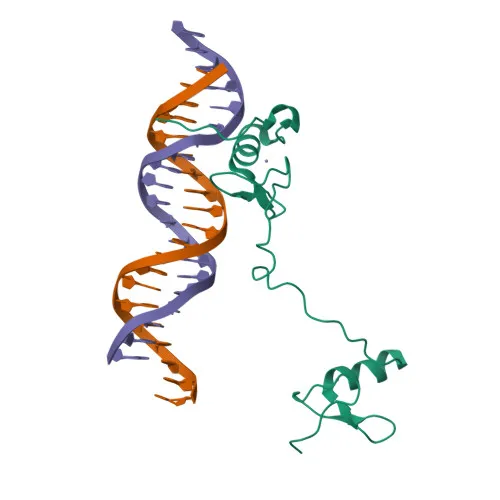
- GATA3 is a member of the GATA family of zinc-finger transcription factors, also known as GATA-binding factor 3, which recognizes the consensus DNA sequence 5'-AGATAG-3'.
- It functions as a transcriptional activator critical for T-cell development, binding to enhancers of the T-cell receptor alpha and delta genes.
- GATA3 is required for T-helper 2 (Th2) cell differentiation, playing a pivotal role in immune and inflammatory responses.
- Beyond adaptive immunity, GATA3 coordinates macrophage transcriptional activation and UCP2-dependent metabolic reprogramming in response to IL-33, driving differentiation of alternatively activated macrophages during tissue injury.
- Subcellular localization is predominantly nuclear, consistent with its role as a transcription factor.
- Tissue expression is primarily in T-cells and endothelial cells.
- The protein contains two zinc-finger domains, undergoes phosphorylation, and is subject to alternative splicing, with implications in deafness and other diseases when mutated.
Experimental Guidance and Technical Tips
- As a nuclear target, successful detection by intracellular flow cytometry requires efficient fixation and permeabilization; consider optimizing these steps for your specific cell type.
- Use appropriate T-cell models (e.g., Jurkat cells or primary human T-cells) to confirm specificity, and include isotype controls to set gating thresholds.
- The antibody recognizes an N-terminal epitope (aa 1–200); verify that your experimental conditions do not disrupt this region.
- For multicolor panels, note that is excited at approximately 650 nm and emits at 665 nm; plan compensation accordingly.
CamelBio: Your One-Stop Sourcing Bridge
CamelBio offers a comprehensive platform for sourcing IVD raw materials, from validated antibody pairs and optimized monoclonal/polyclonal antibodies to bulk ancillary reagents. For GATA3-related projects, we connect you with high-quality reagents and technical support to streamline research and diagnostic development. Rely on CamelBio as your single partner to accelerate the journey from concept to clinic.
REQUEST A QUOTE
Our professional team will reply to you within one business day. Please feel free to contact us!