Monoclonal Antibodies
Rabbit anti-Human FcεR1α Monoclonal Antibody for Flow Cytometry - P12319
Item Number : CM0012614
Price varies based on specs and customizations
- Application
- FC
- Cross Reactivity
- Human
- Protein Weight
- 30kDa

Shipping:
Contact us to get shipping details Enjoy On-time Dispatch Guarantee.
Why Choose Us
Easy ordering process, quality products, and dedicated support for your business success.
Core Product Specifications and Parameters
| Parameter | Value |
|---|---|
| Product Name | Rabbit anti-Human FcεR1α mAb |
| Remarks/Alias | FCE1A; FcERI; FCERIA |
| Species | Human |
| GeneID (Human) | 2205 |
| GeneID | 2205 |
| Immunogen | Recombinant fusion protein containing a sequence corresponding to amino acids 26-205 of human FcεR1α (NP_001992.1). |
| Source | Rabbit |
| Category | Monoclonal Antibodies |
| Application | FC |
| Cross Reactivity | Human |
| SWISS | P12319 |
| Protein Weight | 30kDa |
| Shipping | Ice bag |
Biological Background: FcεR1α Function and Localization
- High-affinity receptor for immunoglobulin epsilon (IgE); mediates IgE effector functions in myeloid cells such as mast cells, basophils, and eosinophils.
- Upon IgE binding and antigen/allergen cross-linking, initiates signaling cascades leading to cell activation, degranulation, and release of vasoactive amines, lipid mediators, and cytokines.
- Plays a central role in immediate hypersensitivity (allergic) responses and provides host defense against helminth parasites, pathogenic bacteria, and venom toxicity.
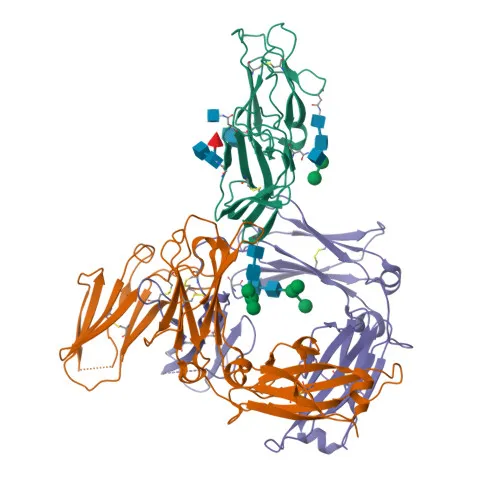
- Alpha subunit of the FcεRI receptor complex; contains immunoglobulin-like domains essential for IgE binding.
- Localized to the cell membrane as a single-pass type I membrane protein.
- Subject to post-translational modifications including disulfide bond formation and N-linked glycosylation, which may contribute to a molecular weight higher than the theoretical 29.6 kDa.
- Expressed in eosinophils (tissue-specific) and also detected in mast cells and basophils; dysregulated expression linked to allergic diseases.
Experimental Guidance and Technical Tips
- The immunogen corresponds to the extracellular region (amino acids 26–205), making this antibody suitable for detecting native surface FcεR1α in live-cell flow cytometry.
- For flow cytometry, titrate the antibody to determine the optimal staining concentration for your specific cell type and experimental conditions.
- Validate staining in known FcεR1α-expressing human cell types, such as basophils or eosinophils, using appropriate positive and negative controls.
- Since the antibody is directly conjugated to , no secondary antibody step is required, simplifying the staining protocol.
- Consider that the apparent molecular weight may be higher (~30–40 kDa) due to glycosylation; this is relevant if the antibody is used in applications beyond the recommended flow cytometry.
CamelBio: Your One-Stop Sourcing Bridge
CamelBio is a dedicated IVD raw-material partner, offering one-stop access to high-quality antibodies, antigen pairs, and ancillary reagents for diagnostic manufacturers and researchers. This -conjugated anti-FcεR1α monoclonal antibody is part of our catalog for allergy and immunology research applications. Beyond catalog products, CamelBio supports customized sourcing of rare target raw materials, bulk reagent supply, and technical consulting to accelerate your assay development from concept to clinic.
Product Datasheet
Rabbit anti-Human FcεR1α Monoclonal Antibody for Flow Cytometry - P12319
REQUEST A QUOTE
Our professional team will reply to you within one business day. Please feel free to contact us!