Monoclonal Antibodies
Rabbit anti-Human DC-SIGNR/CD299 Monoclonal Antibody for Flow Cytometry - Q9H2X3
Item Number : CM0012676
Price varies based on specs and customizations
- Application
- FC
- Cross Reactivity
- Human
- Protein Weight
- 24kDa-45kDa

Shipping:
Contact us to get shipping details Enjoy On-time Dispatch Guarantee.
Why Choose Us
Easy ordering process, quality products, and dedicated support for your business success.
Core Product Specifications and Parameters
| Parameter | Value |
|---|---|
| Product Name | Rabbit anti-Human DC-SIGNR/CD299 mAb |
| Remarks/Alias | CD299; LSIGN; CD209L; L-SIGN; DCSIGNR; HP10347; DC-SIGN2; DC-SIGNR |
| Species | Human |
| GeneID (Human) | 10332 |
| GeneID | 10332 |
| Immunogen | Recombinant fusion protein containing a sequence corresponding to amino acids 71-399 of human DC-SIGNR/CD299 (NP_055072.3). |
| Source | Rabbit |
| Category | Monoclonal Antibodies |
| Application | FC |
| Cross Reactivity | Human |
| SWISS | Q9H2X3 |
| Protein Weight | 24kDa-45kDa |
| Shipping | Ice bag |
Biological Background: DC-SIGNR Function and Localization
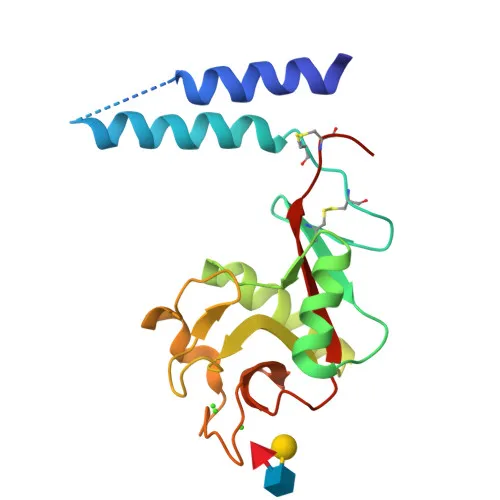
- DC-SIGNR (CD299), encoded by the CLEC4M gene, is a type II transmembrane C-type lectin receptor. Alternative splicing produces both membrane-bound and secreted isoforms, with the protein functioning in immune surveillance and pathogen recognition.
- It acts as a pathogen-recognition receptor (PRR) capable of binding mannose-rich carbohydrates on pathogens, mediating their endocytosis and subsequent degradation in lysosomes. DC-SIGNR also binds ICAM3 on T-cells, facilitating immune interactions.
- Serves as an attachment receptor for a broad range of viruses, including HIV-1, hepatitis C virus (HCV), SARS-CoV, Ebola virus, influenza virus, human coronavirus 229E, cytomegalovirus, West Nile virus, Japanese encephalitis virus, and Marburg virus, highlighting its role in viral pathogenesis.
- Tissue expression is predominantly in liver sinusoidal endothelial cells, lymph nodes, placental endothelium, type II alveolar cells, and lung endothelial cells. Notably, it is absent in macrophages, distinguishing it from its close homolog DC-SIGN.
- The extracellular domain (amino acids 71–399) contains a tandem-repeat region and a C-type lectin carbohydrate recognition domain (CRD) that binds mannose residues in a calcium-dependent manner, critical for pathogen interaction.
- Post-translational modifications include N-linked glycosylation and disulfide bond formation, which are essential for proper folding, stability, and ligand-binding activity.
- Subcellularly, DC-SIGNR localizes primarily to the plasma membrane, but a soluble secreted form generated by alternative splicing is also found in extracellular fluids.
Experimental Guidance and Technical Tips
- The immunogen spans the entire extracellular domain (aa 71–399), ensuring the antibody recognizes the native conformation and carbohydrate recognition domain of DC-SIGNR. This makes it suitable for detecting both membrane-bound and secreted forms.
- For flow cytometry (FC), consider using human liver sinusoidal endothelial cells or CLEC4M-transfected cell lines as positive controls. Include appropriate isotype control and Fc receptor blocking to minimize nonspecific binding.
- The conjugate provides bright fluorescence with minimal photobleaching; titrate the antibody to determine the optimal concentration for your cells and instrument settings. Perform proper compensation if using in multicolor panels.
- As DC-SIGNR can be shed, evaluate surface staining versus total staining with permeabilization to capture intracellular or secreted pools if needed.
CamelBio: Your One-Stop Sourcing Bridge
CamelBio empowers diagnostic manufacturers and research laboratories with streamlined access to a comprehensive portfolio of IVD raw materials, including validated monoclonal antibodies like this fluorescent-labeled anti-DC-SIGNR clone. Whether you need optimized antibody pairs, bulk ancillary reagents, or assistance sourcing rare targets for infectious disease research, our one-stop platform supports your project from concept to clinic. Explore reliable procurement of critical reagents to advance your pathogen-recognition and viral attachment studies.
REQUEST A QUOTE
Our professional team will reply to you within one business day. Please feel free to contact us!