Monoclonal Antibodies
Rabbit anti-Human CD97 mAb for FC - P48960
Item Number : CM0005695
Price varies based on specs and customizations
- Application
- FC
- Cross Reactivity
- Human
- Protein Weight
- 81kDa/86kDa/92kDa

Shipping:
Contact us to get shipping details Enjoy On-time Dispatch Guarantee.
Why Choose Us
Easy ordering process, quality products, and dedicated support for your business success.
Core Product Specifications and Parameters
| Parameter | Value |
|---|---|
| Product Name | Rabbit anti-Human CD97 mAb |
| Remarks/Alias | CD97; TM7LN1 |
| Species | Human |
| GeneID (Human) | 976 |
| GeneID | 976 |
| Immunogen | Recombinant protein |
| Source | Rabbit |
| Category | Monoclonal Antibodies |
| Application | FC |
| Cross Reactivity | Human |
| SWISS | P48960 |
| Protein Weight | 81kDa/86kDa/92kDa |
| Shipping | Ice bag |
Biological Background: CD97 Function and Localization
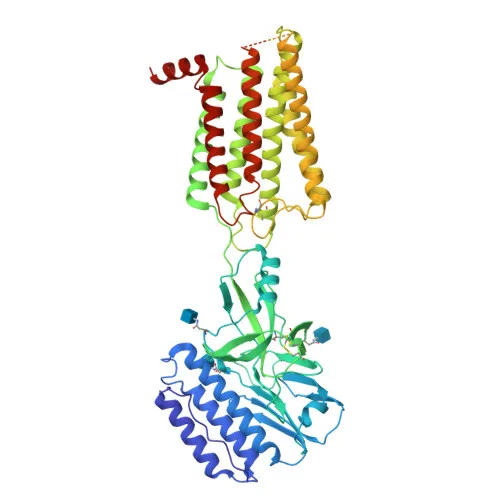
- Adhesion G protein-coupled receptor E5 (CD97, ADGRE5) is a member of the adhesion GPCR family, characterized by a large extracellular domain with EGF-like repeats and a seven-transmembrane domain.
- The protein mediates both cell adhesion and intracellular signaling, primarily functioning early after leukocyte activation to regulate migration.
- CD97 plays an essential role in leukocyte migration, facilitating immune cell trafficking to sites of inflammation.
- It is broadly expressed on most hematopoietic cells, including activated lymphocytes, monocytes, macrophages, dendritic cells, and granulocytes, and is also abundant on smooth muscle cells.
- The receptor is localized to the cell membrane and can also be shed as a soluble form into the extracellular space; its expression is upregulated under inflammatory conditions, such as in multiple sclerosis and rheumatoid arthritis.
- CD97 is expressed in various carcinomas (thyroid, colorectal, gastric, esophageal, pancreatic), suggesting potential roles in tumor biology.
- Post-translational modifications include glycosylation and phosphorylation; the protein contains calcium-binding EGF-like domains and disulfide bonds critical for its structure.
- Alternative splicing produces isoforms with different molecular weights; UniProt-annotated masses around 92 kDa, reflecting glycosylated forms.
Experimental Guidance and Technical Tips
- The immunogen was designed using the extracellular region (aa 21-398) of human CD97, which encompasses the EGF-like domains and is likely to recognize the native, surface-expressed receptor in flow cytometry.
- For flow cytometry (FC), consider using appropriate live/dead discrimination and Fc receptor blocking to minimize non-specific binding, especially in samples with high FcγR expression like monocytes and macrophages.
- Validate the antibody in the relevant sample system (e.g., human PBMCs, cell lines expressing CD97) and include appropriate controls to confirm specificity.
- Because CD97 is shed and present in soluble form, be aware that soluble CD97 in the sample (e.g., serum, synovial fluid) might compete with membrane-bound detection; consider washing cells thoroughly before staining.
CamelBio: Your One-Stop Sourcing Bridge
CamelBio offers comprehensive sourcing solutions for IVD raw materials, supporting your CD97-related research in leukocyte migration and inflammatory disease diagnostics. From validated antibody pairs and optimized monoclonal antibodies to bulk ancillary reagents, we streamline procurement for assay development. Our global network enables rapid access to rare-target raw materials, helping you accelerate your diagnostic pipeline from concept to clinic.
REQUEST A QUOTE
Our professional team will reply to you within one business day. Please feel free to contact us!