Monoclonal Antibodies
Rabbit anti-Human CD94 Monoclonal Antibody for Flow Cytometry - Q13241
Item Number : CM0004778
Price varies based on specs and customizations
- Application
- Flow Cytometry (FC)
- Cross Reactivity
- Human

Shipping:
Contact us to get shipping details Enjoy On-time Dispatch Guarantee.
Why Choose Us
Easy ordering process, quality products, and dedicated support for your business success.
Core Product Specifications and Parameters
| Parameter | Value |
|---|---|
| Product Name | Rabbit anti-Human CD94 mAb |
| Remarks/Alias | CD94 |
| Species | Human |
| Gene ID | 3824 (Human) |
| Immunogen | Recombinant fusion protein containing a sequence corresponding to amino acids 32-179 of human CD94 (NP_002253.2) |
| Source | Rabbit |
| Category | Monoclonal Antibodies |
| Application | Flow Cytometry (FC) |
| Cross Reactivity | Human |
| SWISS | Q13241 |
| Protein Weight | 21 kDa |
| Shipping | Ice bag |
Biological Background: CD94 Function and Localization
- CD94 (KLRD1) is a type II transmembrane glycoprotein belonging to the killer cell lectin-like receptor subfamily D. It functions as a ligand-binding subunit, forming disulfide-linked heterodimers with NKG2A (KLRC1) or NKG2C (KLRC2). These receptor complexes recognize the non-classical MHC class Ib molecule HLA-E on target cells, enabling immune surveillance of MHC class I expression. Related references: PMID:10023772, PMID:18064301, PMID:18083576, PMID:12387742, PMID:9430220
- The KLRD1-KLRC1 complex acts as a dominant inhibitory receptor on natural killer (NK) cells and a subset of memory/effector CD8+ T cells. Upon HLA-E binding, it recruits tyrosine phosphatases INPP5D/SHIP-1 and INPPL1/SHIP-2 via immunoreceptor tyrosine-based inhibition motifs (ITIMs) in KLRC1, counteracting activation signals and maintaining self-tolerance. In tumor microenvironments, this pathway contributes to NK and T cell exhaustion. Related references: PMID:30860984, PMID:9430220, PMID:9485206, PMID:12387742, PMID:18064301, PMID:30503213, PMID:12165520
- The KLRD1-KLRC2 complex functions as an activating receptor, transmitting signals through the adaptor TYROBP/DAP12. It plays roles in adaptive NK cell responses, viral immunity, and maternal-fetal tolerance by recognizing HLA-E loaded with peptides from HLA-G or viral antigens. Related references: PMID:15940674, PMID:9655483, PMID:30134159, PMID:9754572, PMID:20952657, PMID:21825173
- CD94 receptors are exploited by viruses for immune evasion: human cytomegalovirus stabilizes HLA-E with viral peptides to inhibit NK cells; HIV-1 uses a p24-derived peptide (AISPRTLNA) for the same purpose; and SARS-CoV-2 spike protein S1 peptide (LQPRTFLL) induces NK and CD8+ T cell exhaustion via HLA-E recognition. Related references: PMID:32859121
- CD94 is expressed on the cell membrane of NK cell subsets, memory/effector CD8+ αβ T cells, cytotoxic γδ T cells, and melanoma-specific T cell clones. KLRD1-KLRC1 and KLRD1-KLRC2 are differentially distributed, with few cells co-expressing both complexes. Related references: PMID:21825173, PMID:9430220, PMID:9485206, PMID:12387742, PMID:20952657
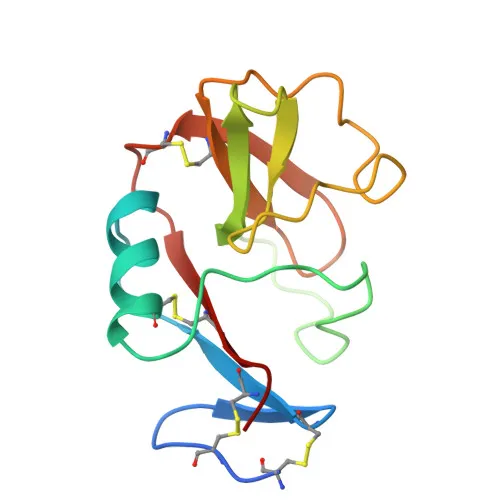
- Structurally, CD94 contains a C-type lectin-like domain, a signal-anchor, and a single transmembrane helix. It is post-translationally modified by N-linked glycosylation and disulfide bond formation, which are essential for proper folding and dimerization. Its molecular weight is approximately 21 kDa.
Experimental Guidance and Technical Tips
- is a bright fluorophore with excitation/emission maxima suitable for blue (488 nm) or red (633 nm) lasers; verify compatibility with your flow cytometer configuration and compensation settings.
- As a direct conjugate, the antibody requires no secondary staining. Titrate to determine the optimal concentration for your cell type and experimental conditions.
- Validate in a known CD94-expressing system such as the NK cell line NKL or freshly isolated human NK cells. Include both positive (e.g., IL-2–activated NK cells) and negative (e.g., CD94– cell lines) controls.
- CD94 expression can vary with cell activation status; consider time-course or stimulation experiments to capture dynamic changes.
- For multicolor panels, check for spectral overlap with other fluorophores and use appropriate compensation controls.
CamelBio: Your One-Stop Sourcing Bridge
CamelBio connects diagnostic developers and researchers with a comprehensive portfolio of IVD raw materials, including validated monoclonal antibodies like this anti-CD94 for immune cell profiling. Our supply network covers antibody pairs, optimized conjugates, and ancillary reagents to support your assay development from concept to commercialization. Reach out for bulk requests or custom sourcing of NK cell–related targets and checkpoint molecules.
Product Datasheet
Rabbit anti-Human CD94 Monoclonal Antibody for Flow Cytometry - Q13241
REQUEST A QUOTE
Our professional team will reply to you within one business day. Please feel free to contact us!