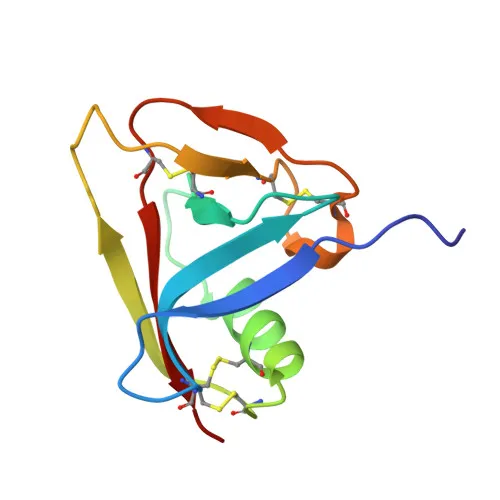
Monoclonal Antibodies
Rabbit anti-Human CD5 mAb - P06127
Item Number : CM0012495
Price varies based on specs and customizations
- Application
- FC
- Cross Reactivity
- Human
- Protein Weight
- 55kDa

Shipping:
Contact us to get shipping details Enjoy On-time Dispatch Guarantee.
Why Choose Us
Easy ordering process, quality products, and dedicated support for your business success.
Core Product Specifications and Parameters
| Parameter | Value |
|---|---|
| Product Name | Rabbit anti-Human CD5 mAb |
| Remarks/Alias | T1; LEU1 |
| Species | Human |
| GeneID (Human) | 921 |
| GeneID | 921 |
| Immunogen | Recombinant fusion protein containing a sequence corresponding to amino acids 25-371 of human CD5 (NP_055022.2) |
| Source | Rabbit |
| Category | Monoclonal Antibodies |
| Application | FC |
| Cross Reactivity | Human |
| SWISS | P06127 |
| Protein Weight | 55kDa |
| Shipping | Ice bag |
Biological Background: CD5 Function and Localization
- CD5, also known as T1/Leu-1, is a lymphoid-specific type I transmembrane glycoprotein expressed on all T-cells and a subset of B-cells (B1a cells).
- It functions as a key regulator of TCR and BCR signaling, playing critical roles in thymocyte selection, T-cell effector differentiation, and immune tolerance.
- CD5 acts as a negative regulator of TCR signaling by associating with signaling molecules such as LCK, CD3Z, PI3K, and CBL. Co-engagement of CD3 with CD5 enhances CBL recruitment, leading to increased VAV1 phosphorylation and degradation.
Related references: PMID:1384049, PMID:1385158, PMID:23376399 - Through interactions with ligands like CD5L and CD72 on B-cells, CD5 mediates contact-dependent T-cell help for B-cell activation and helps maintain regulatory T and B-cell homeostasis.
- In B-cells, CD5 modulates signaling through ERK1/2 activation in a Ca(2+)-dependent pathway via TRPC1, leading to IL-10 production.
Related references: PMID:27499044 - CD5 is localized to the cell membrane and contains a signal peptide, extracellular region with scavenger receptor cysteine-rich (SRCR) domains, a single-pass transmembrane helix, and a cytoplasmic tail.
- Post-translational modifications include disulfide bond formation, glycosylation, and phosphorylation, which regulate its function and interactions.
- The mature protein has an apparent molecular weight of 55 kDa (calculated 54.6 kDa from sequence).
Experimental Guidance and Technical Tips
- The immunogen encompasses the extracellular domain (amino acids 25-371), making this antibody suitable for detection of cell surface CD5 by flow cytometry.
- For flow cytometry, titrate the antibody to determine the optimal staining concentration for your specific cell type of interest. Use appropriate isotype controls and include Fc receptor blocking to reduce non-specific binding.
- Validate staining in relevant human T-cell lines or peripheral blood mononuclear cells (PBMCs) to confirm specificity.
- Keep samples at 4°C throughout the staining procedure, and avoid fixation that may alter the epitope unless validated.
CamelBio: Your One-Stop Sourcing Bridge
CamelBio provides diagnostic manufacturers, laboratories, and research institutes with one-stop access to IVD raw materials, technical services, and consulting—covering every stage from concept to clinic. For CD5-related research and immunoassay development, CamelBio offers validated antibody pairs, optimized monoclonal and polyclonal antibodies, bulk ancillary reagents, and rare target raw-material sourcing. Whether you need research-grade antibodies for flow cytometry or scalable IVD raw materials, CamelBio streamlines your procurement process, ensuring quality and efficiency from discovery to diagnostic application.
REQUEST A QUOTE
Our professional team will reply to you within one business day. Please feel free to contact us!