Monoclonal Antibodies
Rabbit anti-Human CD337/NKp30 Monoclonal Antibody for Flow Cytometry - O14931
Item Number : CM0011089
Price varies based on specs and customizations
- Application
- FC
- Cross Reactivity
- Human
- Protein Weight
- 16kDa/17kDa/18kDa/19kDa/20kDa/21kDa

Shipping:
Contact us to get shipping details Enjoy On-time Dispatch Guarantee.
Why Choose Us
Easy ordering process, quality products, and dedicated support for your business success.
Core Product Specifications and Parameters
| Parameter | Value |
|---|---|
| Product Name | Rabbit anti-Human CD337/NKp30 mAb |
| Remarks/Alias | 1C7; MALS; CD337; LY117; NKp30 |
| Species | Human |
| GeneID (Human) | 259197 |
| GeneID | 259197 |
| Immunogen | Recombinant protein|Recombinant fusion protein containing a sequence corresponding to amino acids 19-135 of human CD337/NKp30 (NP_667341.1). |
| Source | Rabbit |
| Category | Monoclonal Antibodies |
| Application | FC |
| Cross Reactivity | Human |
| SWISS | O14931 |
| Protein Weight | 16kDa/17kDa/18kDa/19kDa/20kDa/21kDa |
| Shipping | Ice bag |
Biological Background: CD337/NKp30 Function and Localization
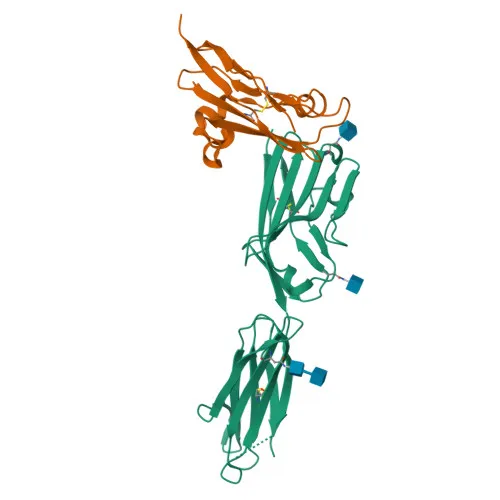
- CD337, also known as NKp30 or NCR3, is a natural cytotoxicity triggering receptor 3 expressed on natural killer (NK) cells. It is a type I transmembrane protein with a single immunoglobulin-like domain in its extracellular region.
- NKp30 plays a critical role in NK cell-mediated cytotoxicity. Upon ligand binding, it stimulates NK cells to kill target cells, including tumor cells, through the release of cytotoxic granules.
- The known ligands for NKp30 include BAG6 (HLA-B-associated transcript 3) and NCR3LG1 (B7-H6). Engagement by BAG6 not only triggers NK cytotoxicity but also promotes maturation of myeloid dendritic cells (DCs) via NK cell-derived cytokines.
- The protein exists in multiple isoforms due to alternative splicing, which may modulate receptor function and signaling.
- Subcellularly, NKp30 localizes to the cell membrane, consistent with its role as a cell surface receptor.
- Post-translational modifications include N-linked glycosylation and disulfide bond formation, which are important for proper folding and ligand recognition.
- NKp30 is selectively expressed on resting and activated NK cells, with very low expression detected in the spleen.
- As a member of the immunoglobulin superfamily, NKp30 contains a signal peptide, an extracellular Ig-like domain, a transmembrane helix, and a short cytoplasmic tail, lacking intrinsic signaling motifs but associating with adaptor molecules like CD3ζ and FcεRIγ to transduce activation signals.
Experimental Guidance and Technical Tips
- The immunogen corresponds to the extracellular domain (amino acids 19-135) of human NKp30, suggesting that the antibody likely recognizes an epitope accessible on the cell surface.
- This conjugate is designed for direct immunofluorescence detection in flow cytometry. For optimal staining, perform antibody titration using a relevant cell line (e.g., NK92) or primary human NK cells.
- Include appropriate compensation controls when using this antibody in multicolor panels, as may have spectral overlap with other fluorophores.
- Given the low molecular weight prediction (~21 kDa) and possible glycosylation, the protein may appear as a diffuse band in western blotting; however, its parent clone's suitability for WB must be verified independently.
CamelBio: Your One-Stop Sourcing Bridge
CamelBio offers a comprehensive range of IVD raw materials to support diagnostic manufacturers and life science researchers. For your NK cell and tumor immunology projects, we provide validated antibody pairs, monoclonal antibodies (including conjugated formats), and bulk ancillary reagents. Our supply network covers everything from concept to clinic, ensuring you have access to the right tools for your assay development and validation needs.
Product Datasheet
Rabbit anti-Human CD337/NKp30 Monoclonal Antibody for Flow Cytometry - O14931
REQUEST A QUOTE
Our professional team will reply to you within one business day. Please feel free to contact us!