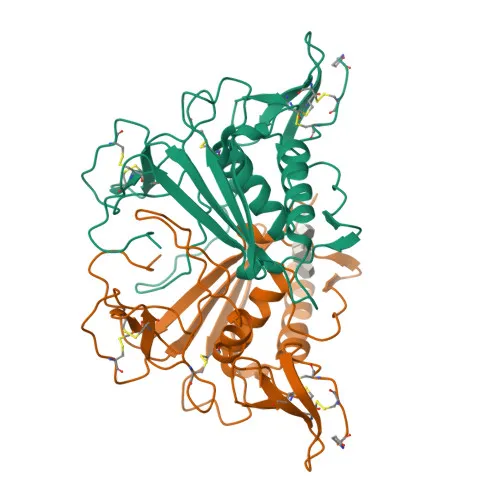
Monoclonal Antibodies
Rabbit anti-Human CD326/EPCAM Monoclonal Antibody for IF/ICC and FC - P16422
Item Number : CM0005562
Price varies based on specs and customizations
- Application
- IF/ICC, FC
- Cross Reactivity
- Human
- Protein Weight
- 35kDa

Shipping:
Contact us to get shipping details Enjoy On-time Dispatch Guarantee.
Why Choose Us
Easy ordering process, quality products, and dedicated support for your business success.
Core Product Specifications and Parameters
| Parameter | Value |
|---|---|
| Product Name | Rabbit anti-Human CD326/EPCAM mAb |
| Remarks/Alias | ESA; KSA; M4S1; MK-1; DIAR5; EGP-2; EGP40; KS1/4; MIC18; TROP1; BerEp4; EGP314; HNPCC8; LYNCH8; MOC-31; Ber-Ep4; TACSTD1 |
| Species | Human |
| GeneID (Human) | 4072 |
| GeneID | 4072 |
| Immunogen | Recombinant fusion protein containing a sequence corresponding to amino acids 24-265 of human CD326/EPCAM (NP_002345.2). |
| Source | Rabbit |
| Category | Monoclonal Antibodies |
| Application | IF/ICC, FC |
| Cross Reactivity | Human |
| SWISS | P16422 |
| Protein Weight | 35kDa |
| Shipping | Ice bag |
Biological Background: Epithelial Cell Adhesion Molecule (EpCAM) Function and Localization
- EpCAM is a type I transmembrane glycoprotein that functions as a homophilic cell adhesion molecule, mediating physical interactions between intestinal epithelial cells (IECs) and intraepithelial lymphocytes (IELs) to maintain the mucosal immunological barrier.
- It plays a critical role in embryonic stem cell proliferation and differentiation, with expression levels rapidly declining upon differentiation.
- EpCAM up-regulates the expression of FABP5, MYC, and cyclins A and E, linking it to cell cycle regulation and growth control.
- The protein is localized at the lateral cell membrane and tight junctions, consistent with its role in cell-cell adhesion and epithelial integrity.
- Tissue specificity: Highly and selectively expressed in undifferentiated embryonic stem cells and almost all epithelial cell membranes, but absent from mesodermal or neural cell membranes; frequently found on the surface of adenocarcinomas.
- It is a well-characterized tumor antigen and is associated with hereditary nonpolyposis colorectal cancer.
- The processed protein contains a signal peptide, transmembrane helix, disulfide bonds, and N-glycosylation sites, with a calculated molecular mass of approximately 34.9 kDa.
Experimental Guidance and Technical Tips
- The immunogen comprises the extracellular domain (amino acids 24-265), which is expected to generate antibodies targeting accessible epitopes on the cell surface, suitable for live-cell staining or non-permeabilized conditions.
- For immunofluorescence (IF/ICC), consider optimizing fixation and permeabilization protocols based on target localization at lateral membranes and tight junctions; validate in human epithelial cell lines.
- In flow cytometry (FC), use the directly conjugated format; titrate the antibody to achieve optimal signal-to-noise ratio and include appropriate isotype controls.
- Due to human cross-reactivity only, verify target expression in your cell or tissue model before use.
- Protein weight is approximately 35 kDa; confirm with molecular weight markers and blocking conditions in downstream assays.
CamelBio: Your One-Stop Sourcing Bridge
CamelBio is your integrated sourcing partner for IVD raw materials, offering a comprehensive portfolio that includes this Rabbit anti-Human CD326/EPCAM mAb for immunology and oncology research. We support diagnostic manufacturers, laboratories, and research institutes with one-stop access to validated antibody pairs, optimized monoclonal/polyclonal antibodies, bulk ancillary reagents, and specialized sourcing of rare target raw materials—helping you bridge from concept to clinic.
Product Datasheet
Rabbit anti-Human CD326/EPCAM Monoclonal Antibody for IF/ICC and FC - P16422
REQUEST A QUOTE
Our professional team will reply to you within one business day. Please feel free to contact us!