Monoclonal Antibodies
Rabbit anti-Human CD317/BST2 Monoclonal Antibody for FC - Q10589
Item Number : CM0012269
Price varies based on specs and customizations
- Application
- FC
- Cross Reactivity
- Human
- Protein Weight
- 18kDa/19kDa

Shipping:
Contact us to get shipping details Enjoy On-time Dispatch Guarantee.
Why Choose Us
Easy ordering process, quality products, and dedicated support for your business success.
Core Product Specifications and Parameters
| Parameter | Value |
|---|---|
| Product Name | Rabbit anti-Human CD317/BST2 mAb |
| Remarks/Alias | CD317; HM1.24; TETHERIN |
| Species | Human |
| Gene ID (Human) | 684 |
| Gene ID | 684 |
| Immunogen | Recombinant fusion protein containing a sequence corresponding to amino acids 49-160 of human CD317/BST2 (NP_004326.1) |
| Source | Rabbit |
| Category | Monoclonal Antibodies |
| Application | FC |
| Cross Reactivity | Human |
| SWISS | Q10589 |
| Protein Weight | 18kDa/19kDa |
| Shipping | Ice bag |
Biological Background: CD317/BST2 Function and Localization
- CD317/BST2 (Tetherin) is a host restriction factor that directly tethers nascent enveloped viruses to the cell membrane, preventing their release. It targets a broad range of viruses, including HIV-1, HIV-2, SIV, EIAV, FIV, PFV, MPMV, HTLV-1, RSV, MLV, HCV, Ebola, Marburg, Lassa, Machupo, KSHV, VSV, influenza A, Nipah, and SARS-CoV. Related references: PMID:18200009 | PMID:18342597 | PMID:19036818 | PMID:19179289
- Beyond viral restriction, BST2 inhibits cell surface proteolytic activity of MMP14, leading to decreased MMP15 activation and suppression of cell growth and migration. It also stimulates signaling via LILRA4/ILT7, providing negative feedback to IFN production by plasmacytoid dendritic cells. Related references: PMID:22065321 | PMID:19564354 | PMID:26172439
- Two active isoforms exist: isoform 1 and isoform 2, both effective viral restriction factors but with divergent antiviral and signaling activities. Isoform 2 is resistant to HIV-1 Vpu-mediated degradation and restricts HIV-1 budding even in the presence of Vpu. Isoform 1 activates NF-kappa-B, while isoform 2 inhibits this activity. Related references: PMID:23028328 | PMID:26172439
- Subcellular localization includes the trans-Golgi network, cell membrane, membrane rafts, cytoplasm, apical cell membrane, and late endosomes, reflecting its dynamic trafficking and tethering functions.
- Predominantly expressed in liver, lung, heart, and placenta, with lower levels in pancreas, kidney, skeletal muscle, and brain. Overexpressed in multiple myeloma cells and highly expressed during B-cell development (from pro-B to plasma cells) and on T-cells, monocytes, NK cells, and dendritic cells.
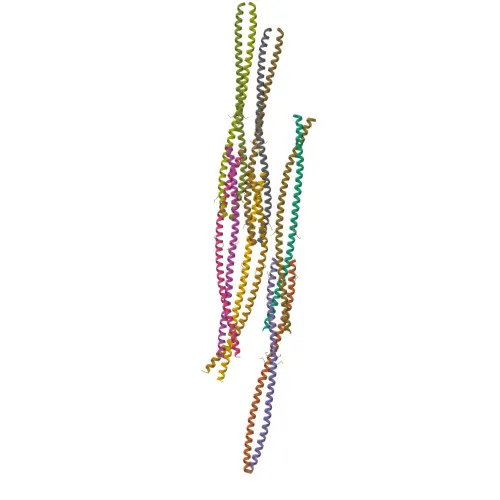
- Key structural features include a type II transmembrane topology, an N-terminal coiled-coil domain, a C-terminal GPI-anchor, disulfide bonds stabilizing the dimeric form, and alternative initiation producing two isoforms.
Experimental Guidance and Technical Tips
- The immunogen (amino acids 49-160) covers the extracellular domain, making the antibody suitable for detecting native surface BST2 by flow cytometry. For FC, consider incubating with live cells to preserve surface epitopes, and use appropriate isotype controls and Fc blocking.
- conjugate enables direct detection without secondary reagents, reducing nonspecific binding. Validate the antibody in the relevant human sample system, as cross-reactivity is reported only for human.
- Given the protein’s reported molecular weight (18-19 kDa), a suitable gating strategy should account for its small size relative to typical surface markers. Confirm expression levels may vary by cell type and activation state.
CamelBio: Your One-Stop Sourcing Bridge
CamelBio offers a comprehensive portfolio of IVD raw materials, including validated monoclonal antibodies, recombinant proteins, and ancillary reagents, all designed to accelerate diagnostic development. This anti-CD317/BST2 antibody is ideal for research into antiviral innate immunity and oncohematology, including multiple myeloma. With reliable supply chains and technical support, CamelBio streamlines sourcing from discovery to clinical application, providing bulk quantities and customization options to meet your specific assay needs.
REQUEST A QUOTE
Our professional team will reply to you within one business day. Please feel free to contact us!