Monoclonal Antibodies
Rabbit anti-Human CD201/EPCR Monoclonal Antibody for Flow Cytometry - Q9UNN8
Item Number : CM0008301
Price varies based on specs and customizations
- Application
- FC
- Cross Reactivity
- Human
- Protein Weight
- 26kDa

Shipping:
Contact us to get shipping details Enjoy On-time Dispatch Guarantee.
Why Choose Us
Easy ordering process, quality products, and dedicated support for your business success.
Core Product Specifications and Parameters
| Parameter | Value |
|---|---|
| Product Name | Rabbit anti-Human CD201/EPCR mAb |
| Remarks/Alias | PROCR; CCCA; CCD41; EPCR; protein C receptor |
| Species | Human |
| GeneID (Human) | 10544 |
| GeneID | 10544 |
| Immunogen | Recombinant protein|Recombinant fusion protein containing a sequence corresponding to amino acids 18-210 of human CD201/EPCR (NP_006395.2). |
| Source | Rabbit |
| Category | Monoclonal Antibodies |
| Application | FC |
| Cross Reactivity | Human |
| SWISS | Q9UNN8 |
| Protein Weight | 26kDa |
| Shipping | Ice bag |
Biological Background: CD201/EPCR Function and Localization
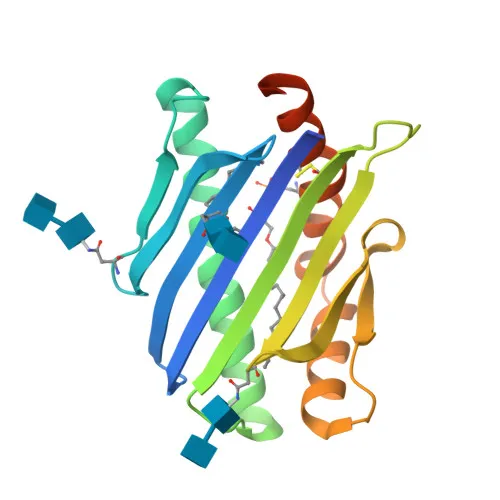
- The product targets human CD201/EPCR, encoded by the PROCR gene, also known as EPCR, CCCA, and CCD41.
- The protein is officially designated as endothelial protein C receptor and alternatively called activated protein C receptor (APC receptor).
- Core function: binds activated protein C and enhances its activation by the thrombin-thrombomodulin complex, critically regulating the protein C anticoagulant pathway and blood coagulation.
- Subcellular localization: primarily a membrane protein; it is a type I transmembrane receptor.
- Tissue specificity: strongly expressed in endothelial cells of arteries and veins in heart and lung, less intensely in capillaries of lung and skin, and undetectable in small vessels of liver and kidney.
- Structural features: contains a signal peptide, extracellular domain with disulfide bonds, a transmembrane helix, and a cytoplasmic tail; classified as a glycoprotein.
- Keywords from UniProt: Blood coagulation, Hemostasis, Membrane, Receptor, Transmembrane, Transmembrane helix, Signal, Glycoprotein, Disulfide bond.
Experimental Guidance and Technical Tips
- The immunogen covers the extracellular domain (aa 18–210), so the antibody likely recognizes a surface‑accessible epitope—suitable for live‑cell flow cytometry without permeabilization.
- Direct conjugation to simplifies staining protocols and reduces background; ensure proper laser and filter configuration for detection (excitation/emission similar to Alexa Fluor 594).
- Confirm CD201/EPCR expression in relevant human endothelial cells (e.g., HUVECs) or cell lines; titrate the antibody to optimize signal‑to‑noise ratio.
- Use appropriate isotype controls and Fc receptor blocking to assess specificity; validate under your experimental conditions and consider that expression may vary between vessel types.
CamelBio: Your One-Stop Sourcing Bridge
CamelBio empowers diagnostic manufacturers and researchers to access critical raw materials like this anti‑CD201/EPCR monoclonal antibody—essential for coagulation and hemostasis assay development. Our comprehensive supply chain offers validated antibody pairs, optimized monoclonal/polyclonal antibodies, bulk ancillary reagents, and tailored sourcing for rare targets, supporting your workflow from early discovery to clinical application.
Product Datasheet
Rabbit anti-Human CD201/EPCR Monoclonal Antibody for Flow Cytometry - Q9UNN8
REQUEST A QUOTE
Our professional team will reply to you within one business day. Please feel free to contact us!