Monoclonal Antibodies
Rabbit anti-Human CD161 Monoclonal Antibody for Flow Cytometry - Q12918
Item Number : CM0004114
Price varies based on specs and customizations
- Application
- FC
- Cross Reactivity
- Human
- Protein Weight
- 25kDa

Shipping:
Contact us to get shipping details Enjoy On-time Dispatch Guarantee.
Why Choose Us
Easy ordering process, quality products, and dedicated support for your business success.
Core Product Specifications and Parameters
| Parameter | Value |
|---|---|
| Product Name | Rabbit anti-Human CD161 mAb |
| Remarks/Alias | NKR; CD161; CLEC5B; NKR-P1; NKRP1A; NKR-P1A; hNKR-P1A; KLRB1 |
| Species | Human |
| Gene ID (Human) | 3820 |
| Gene ID | 3820 |
| Immunogen | Recombinant fusion protein containing a sequence corresponding to amino acids 67-225 of human CD161 (NP_002249.1) |
| Source | Rabbit |
| Category | Monoclonal Antibodies |
| Application | FC |
| Cross Reactivity | Human |
| SWISS | Q12918 |
| Protein Weight | 25kDa |
| Shipping | Ice bag |
Biological Background: CD161 Function and Localization
- CD161, encoded by KLRB1 (also known as CLEC5B or NKRP1A), is a killer cell lectin-like receptor subfamily B member 1 and a C-type lectin domain family 5 member B, commonly referred to as NKR-P1A.
- It functions as an inhibitory receptor on natural killer (NK) cells, where it acts as a lectin that binds to terminal Gal-alpha(1,3)Gal and N-acetyllactosamine carbohydrate epitopes, as well as to the ligand CLEC2D/LLT1.
- Activation of CD161 stimulates acid sphingomyelinase (SMPD1), leading to elevated intracellular ceramide levels, and also triggers AKT1 and RPS6KA1 kinase signaling, which enhances T-cell proliferation induced by anti-CD3.
- Binding to CLEC2D/LLT1 inhibits NK cell-mediated cytotoxicity and suppresses interferon-gamma secretion in target cells, thereby modulating immune responses.
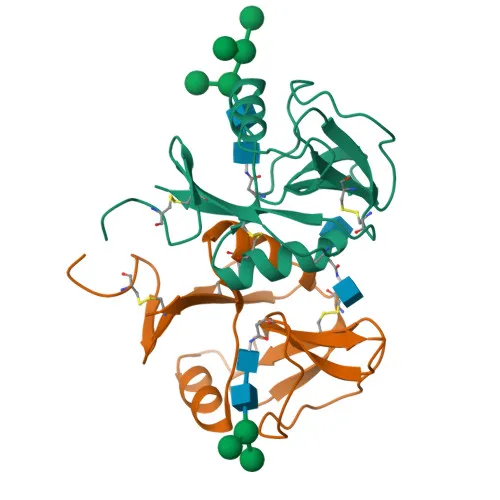
- CD161 is a transmembrane glycoprotein with a signal-anchor, a single transmembrane helix, and disulfide bonds, and it is localized on the cell membrane.
- Expression is predominantly found in a subset of NK cells in intestinal epithelium and liver, and it is also detected on peripheral blood T-cells with a memory antigenic phenotype.
Experimental Guidance and Technical Tips
- This antibody is conjugated to and designed for flow cytometry; consider titrating the antibody to determine the optimal working concentration for your specific experimental setup.
- The immunogen corresponds to amino acids 67–225 of the extracellular domain, suggesting recognition of the native receptor; validate performance on human NK cells or T-cell subsets, particularly from intestinal epithelium or liver as indicated by tissue specificity.
- For multi-color flow cytometry panels, ensure compensation controls are included, and note that the 25 kDa target may require appropriate gating strategies based on cell type.
CamelBio: Your One-Stop Sourcing Bridge
CamelBio provides a comprehensive portfolio of IVD raw materials, including validated antibody pairs, optimized monoclonal antibodies, and bulk ancillary reagents, supporting diagnostic assay development for immune cell profiling and NK cell research. For this CD161 target, we offer conjugated antibodies and can assist with rare target raw-material sourcing to accelerate your projects from concept to clinic. Contact us to discuss custom formulations and technical consultation tailored to your workflow needs.
Product Datasheet
Rabbit anti-Human CD161 Monoclonal Antibody for Flow Cytometry - Q12918
REQUEST A QUOTE
Our professional team will reply to you within one business day. Please feel free to contact us!