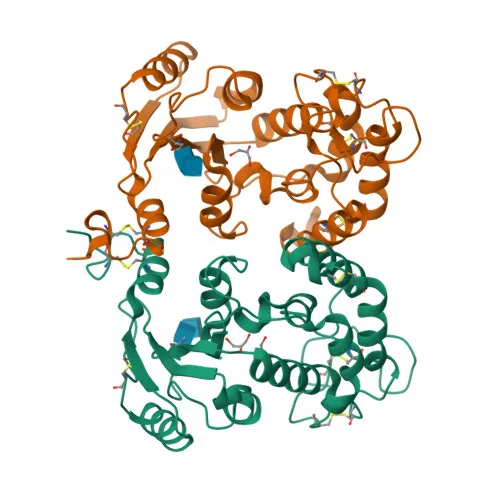
Monoclonal Antibodies
Rabbit anti-Human CD157/BST-1 mAb for Flow Cytometry - Q10588
Item Number : CM0010958
Price varies based on specs and customizations
- Application
- FC
- Cross Reactivity
- Human
- Protein Weight
- 36kDa/29kDa

Shipping:
Contact us to get shipping details Enjoy On-time Dispatch Guarantee.
Why Choose Us
Easy ordering process, quality products, and dedicated support for your business success.
Core Product Specifications and Parameters
| Parameter | Value |
|---|---|
| Product Name | Rabbit anti-Human CD157/BST-1 mAb |
| Remarks/Alias | CD157; cADPR2; BST1 |
| Species | Human |
| GeneID (human) | 683 |
| GeneID | 683 |
| Immunogen | Recombinant fusion protein containing a sequence corresponding to amino acids 29-292 of human CD157/BST-1 (NP_004325.2) |
| Source | Rabbit |
| Category | Monoclonal Antibodies |
| Application | FC |
| Cross Reactivity | Human |
| SWISS | Q10588 |
| Protein Weight | 36kDa/29kDa |
| Shipping | Ice bag |
Biological Background: CD157/BST-1 Function and Localization
- CD157/BST-1, encoded by the BST1 gene, is also known as ADP-ribosyl cyclase 2 and cyclic ADP-ribose hydrolase 2.
- It catalyzes both the synthesis of cyclic ADP-β-D-ribose (cADPR) from NAD+ and its hydrolysis to ADP-D-ribose (ADPR). Related references: PMID:7805847
- cADPR serves as an endogenous second messenger that triggers calcium release from intracellular stores, thereby regulating intracellular calcium mobilization.
- CD157/BST-1 may be involved in pre-B-cell growth.
- The protein is anchored to the cell membrane via a GPI anchor.
- It is expressed in various tissues, including placenta, lung, liver, and kidney.
- Post-translational modifications include glycosylation and disulfide bond formation; alternative splicing generates multiple isoforms.
Experimental Guidance and Technical Tips
- This antibody is validated for flow cytometry; titrate to determine the optimal working dilution for your specific sample and experiment.
- Include appropriate controls such as isotype control antibodies and positive cell lines (e.g., known CD157/BST-1-expressing cells) to confirm specificity.
- Because CD157/BST-1 is a GPI-anchored surface protein, use standard cell surface staining protocols without permeabilization unless intracellular epitopes need to be accessed.
- The conjugate requires appropriate laser excitation (e.g., 561 nm or 594 nm) and emission filter sets — verify compatibility with your instrument.
- As a monoclonal antibody, it recognizes a single epitope; if epitope masking is suspected (e.g., in multicolor panels), empirical validation is advised.
CamelBio: Your One-Stop Sourcing Bridge
CamelBio provides diagnostic manufacturers, labs, and research institutes with one-stop access to IVD raw materials, technical services, and consulting—covering every stage from concept to clinic. This anti-CD157/BST-1 antibody belongs to our extensive catalog for immunology and cell biology research. We supply validated antibody pairs, optimized monoclonal/polyclonal antibodies, bulk ancillary reagents, and can assist in sourcing rare target raw materials to accelerate your IVD development.
REQUEST A QUOTE
Our professional team will reply to you within one business day. Please feel free to contact us!