Monoclonal Antibodies
Rabbit anti-Human CD13/ANPEP Monoclonal Antibody for Flow Cytometry - P15144
Item Number : CM0005755
Price varies based on specs and customizations
- Application
- FC
- Cross Reactivity
- Human
- Protein Weight
- 110kDa

Shipping:
Contact us to get shipping details Enjoy On-time Dispatch Guarantee.
Why Choose Us
Easy ordering process, quality products, and dedicated support for your business success.
Core Product Specifications and Parameters
| Parameter | Value |
|---|---|
| Product Name | Rabbit anti-Human CD13/ANPEP mAb |
| Remarks/Alias | APN; AP-M; AP-N; CD13; LAP1; P150; PEPN; hAPN; GP150 |
| Species | Human |
| GeneID (human) | 290 |
| GeneID | 290 |
| Immunogen | Recombinant fusion protein containing a sequence corresponding to amino acids 69-967 of human CD13/ANPEP (NP_001141.2) |
| Source | Rabbit |
| Category | Monoclonal Antibodies |
| Application | FC |
| Cross Reactivity | Human |
| SWISS | P15144 |
| Protein Weight | 110kDa |
| Shipping | Ice bag |
Biological Background: CD13/ANPEP Function and Localization
- Aminopeptidase N (ANPEP), also known as CD13 or gp150, is a membrane-bound zinc-dependent metalloprotease belonging to the M1 family of aminopeptidases.
- Exhibits broad substrate specificity, playing a critical role in the final digestion of peptides in the intestine and the processing of bioactive peptides, including angiotensin III/IV, neuropeptides, and chemokines.
- Functions as a receptor for human coronavirus 229E (HCoV-229E) spike glycoprotein and mediates human cytomegalovirus (HCMV) infection.
- Involved in angiogenesis and cholesterol crystallization, with expression upregulated on vasculature in tumors and inflamed tissues.
- Located on the cell membrane with a large extracellular domain, serving as a signaling molecule in cell adhesion, migration, and differentiation.
- Expressed on granulocytes, monocytes, endothelial cells, and epithelial cells of the kidney, intestine, and respiratory tract; also found on some CNS cells and tumor vasculature.
- A soluble form is present in plasma, with elevated levels observed in cancer patient plasma and effusions, highlighting its potential as a disease biomarker.
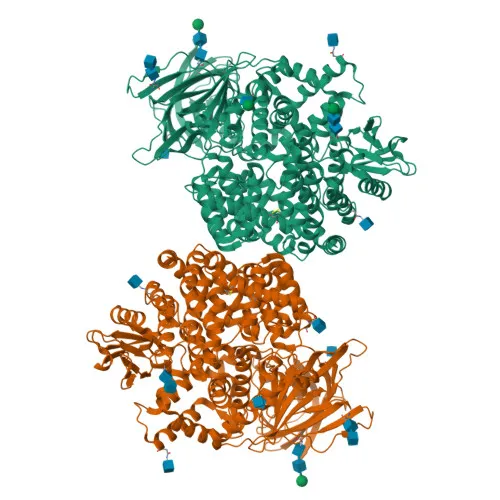
- Post-translationally modified by glycosylation, disulfide bond formation, and sulfation; crystallographic structures confirm the extracellular domain organization and zinc-binding catalytic site.
Experimental Guidance and Technical Tips
- CD13 is a cell surface marker commonly used in immunophenotyping; flow cytometry with this conjugate enables sensitive detection on live, unfixed cells.
- Titrate the antibody to determine the optimal concentration for your experimental system; a range of 0.1–1.0 μg per million cells is a reasonable starting point.
- Include appropriate negative controls (e.g., isotype control conjugate, unstained cells) and consider Fc receptor blocking to minimize nonspecific binding.
- Since the immunogen corresponds to amino acids 69–967 of the extracellular domain, the antibody likely recognizes an epitope on the cell surface, making it suitable for live-cell staining.
- Validate performance in relevant human samples such as peripheral blood mononuclear cells (PBMCs), leukocyte cell lines, or tumor biopsies, where CD13 expression is expected.
CamelBio: Your One-Stop Sourcing Bridge
As a dedicated IVD raw-material partner, CamelBio empowers diagnostic manufacturers and researchers with comprehensive access to high-quality antibodies and associated reagents. Our portfolio, including the anti-CD13 monoclonal antibody, supports immunology and oncology applications by providing validated tools for cellular analysis. Beyond individual products, we offer integrated sourcing solutions—from optimized antibody pairs and bulk ancillary reagents to custom rare-target development—streamlining your path from concept to clinic.
Product Datasheet
Rabbit anti-Human CD13/ANPEP Monoclonal Antibody for Flow Cytometry - P15144
REQUEST A QUOTE
Our professional team will reply to you within one business day. Please feel free to contact us!