Monoclonal Antibodies
Rabbit anti-Human CD13/ANPEP Monoclonal Antibody for Flow Cytometry - P15144
Item Number : CM0004909
Price varies based on specs and customizations
- Application
- FC
- Cross Reactivity
- Human
- Protein Weight
- 110kDa

Shipping:
Contact us to get shipping details Enjoy On-time Dispatch Guarantee.
Why Choose Us
Easy ordering process, quality products, and dedicated support for your business success.
Core Product Specifications and Parameters
| Parameter | Value |
|---|---|
| Product Name | Rabbit anti-Human CD13/ANPEP mAb |
| Remarks/Alias | APN; AP-M; AP-N; CD13; LAP1; P150; PEPN; hAPN; GP150 |
| Species | Human |
| Gene ID (Human) | 290 |
| Gene ID | 290 |
| Immunogen | Recombinant protein |
| Source | Rabbit |
| Category | Monoclonal Antibodies |
| Application | FC |
| Cross Reactivity | Human |
| SWISS | P15144 |
| Protein Weight | 110kDa |
| Shipping | Ice bag |
Biological Background: Aminopeptidase N Function and Localization
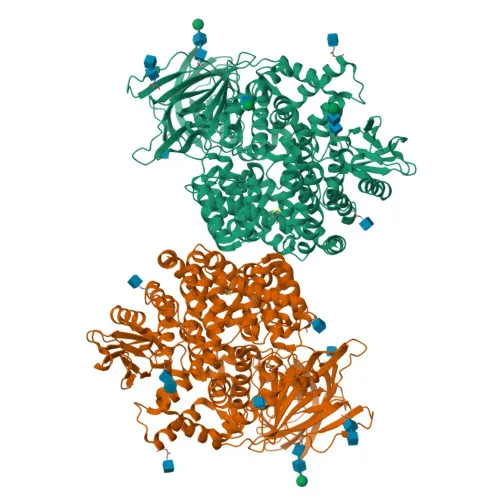
- Aminopeptidase N (ANPEP), also known as CD13, gp150, AP-M, is a single-pass type II membrane protein of 967 amino acids, with a molecular weight of approximately 110 kDa.
- Functions as a broad-specificity zinc-dependent aminopeptidase, playing a key role in the final digestion of peptides from gastric and pancreatic proteolysis, and in the processing of peptide hormones such as angiotensin III, angiotensin IV, and various neuropeptides and chemokines.
- Involved in antigen presentation by cleaving peptides bound to MHC class II molecules on antigen-presenting cells, and may participate in amino acid transport by interacting with the SLC6A19 transporter.
- Plays a role in angiogenesis and promotes cholesterol crystallization, and is expressed in tissues undergoing angiogenesis and in malignant gliomas and lymph node metastases.
- Constitutively expressed on the surface of epithelial cells (kidney, intestine, respiratory tract), granulocytes, monocytes, fibroblasts, endothelial cells, and synaptic membranes in the CNS. A soluble form is found in plasma, elevated in cancer patients.
- Serves as a host cell receptor for human coronavirus 229E (HCoV-229E) spike glycoprotein and mediates human cytomegalovirus (HCMV) infection.
- Contains disulfide bonds, is heavily glycosylated, and features a signal-anchor, a transmembrane helix, and a large extracellular catalytic domain bearing the zinc-binding motif.
Experimental Guidance and Technical Tips
- The immunogen used corresponds to amino acids 69–967 of human CD13, representing the entire extracellular domain; this design may result in antibodies recognizing the native protein on live cells.
- Flow cytometry is the validated application for this conjugate; it is recommended to titrate the antibody and validate performance in the cell type of interest (e.g., myeloid cells, endothelial cells) before use in critical assays.
- Since CD13 is a cell-surface antigen, staining can be performed without permeabilization. Consider including an isotype control and Fc receptor blocking step to reduce nonspecific binding.
CamelBio: Your One-Stop Sourcing Bridge
CamelBio provides diagnostic manufacturers, labs, and research institutes with one-stop access to IVD raw materials, technical services, and consulting, covering the full development journey from concept to clinic. The anti-CD13/ANPEP monoclonal antibody is part of our growing portfolio targeting cancer, angiogenesis, and infectious disease markers. We supply validated antibody pairs, optimized monoclonal and polyclonal antibodies, bulk ancillary reagents, and offer rare target raw-material sourcing to support your assay development needs.
Product Datasheet
Rabbit anti-Human CD13/ANPEP Monoclonal Antibody for Flow Cytometry - P15144
REQUEST A QUOTE
Our professional team will reply to you within one business day. Please feel free to contact us!