Monoclonal Antibodies
Rabbit anti-Human BCL6 mAb - P41182
Item Number : CM0004938
Price varies based on specs and customizations
- Application
- FC (intra)
- Cross Reactivity
- Human
- Protein Weight
- 72kDa/78kDa

Shipping:
Contact us to get shipping details Enjoy On-time Dispatch Guarantee.
Why Choose Us
Easy ordering process, quality products, and dedicated support for your business success.
Core Product Specifications and Parameters
| Parameter | Value |
|---|---|
| Product Name | Rabbit anti-Human BCL6 mAb |
| Remarks/Alias | BCL6; BCL5; BCL6A; LAZ3; ZBTB27; ZNF51; B-cell CLL/lymphoma 6 |
| Species | Human |
| GeneID | 604 |
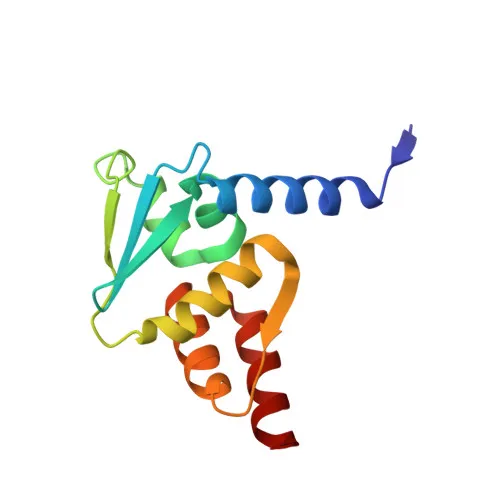
| Immunogen | Recombinant fusion protein containing a sequence corresponding to amino acids 235-350 of human BCL6 (NP_001124317.1) |
| Source | Rabbit |
| Category | Monoclonal Antibodies |
| Application | FC (intra) |
| Cross Reactivity | Human |
| SWISS | P41182 |
| Protein Weight | 72kDa/78kDa |
| Shipping | Ice bag |
Biological Background: BCL6 Function and Localization
- BCL6 (B‑cell lymphoma 6) is a transcriptional repressor and a member of the BTB‑POZ/zinc finger family, essential for germinal center (GC) formation and antibody affinity maturation.
- BCL6 directly binds the DNA consensus sequence 5’‑TTCCTAGAA‑3’ and forms complexes with corepressors and histone deacetylases to silence target genes involved in differentiation, apoptosis, and cell cycle control.
- In GC B‑cells, BCL6 enables rapid proliferation and tolerates DNA breaks during class switch recombination and somatic hypermutation, while suppressing p53‑dependent apoptosis.
- In follicular helper T‑cells (TFH), BCL6 promotes TFH‑associated gene expression and inhibits differentiation into TH1, TH2, or TH17 lineages.
- BCL6 is also required for the establishment and maintenance of immunological memory in both T‑ and B‑cells and suppresses macrophage proliferation by competing with STAT5 for DNA binding.
- The protein localizes exclusively to the nucleus (UniProt: SUBCELLULAR LOCATION) and undergoes multiple post‑translational modifications, including acetylation, phosphorylation, and ubiquitination, which regulate its activity.
- Human BCL6 is expressed as two major isoforms of approximately 72 kDa and 78 kDa, arising from alternative splicing; it is detected primarily in GC T‑ and B‑cells and in immature dendritic cells.
Experimental Guidance and Technical Tips
- The immunogen corresponds to residues 235–350 of human BCL6, a region within the N‑terminal BTB domain. This domain mediates protein‑protein interactions, and the antibody is expected to recognize native BCL6 in intracellular flow cytometry after fixation and permeabilization.
- For intracellular staining (FC intra), use appropriate fixation/permeabilization buffers (e.g., paraformaldehyde/saponin‑based) and titrate the antibody to determine the optimal concentration for your specific cell type and experimental system.
- Confirm BCL6 expression patterns in your samples using known positive controls such as human tonsil or lymph node germinal center cells, and include isotype controls to rule out nonspecific binding.
- Since BCL6 functions as a repressor, combine this antibody with markers of B‑cell differentiation (e.g., CD20, CD38) or T‑follicular helper cells (e.g., CXCR5, PD‑1) for multiparameter flow cytometry.
CamelBio: Your One‑Stop Sourcing Bridge
CamelBio provides diagnostic manufacturers, laboratories, and research institutes with streamlined access to IVD raw materials, including validated antibody pairs, optimized monoclonal/polyclonal antibodies, and bulk ancillary reagents. For studies focusing on germinal center biology, B‑cell lymphomas, or transcriptional regulation, our supply capabilities cover everything from rare‑target antibody sourcing to custom development support, helping you bridge the gap from concept to clinic efficiently.
REQUEST A QUOTE
Our professional team will reply to you within one business day. Please feel free to contact us!