Monoclonal Antibodies
RAB10 Rabbit Monoclonal Antibody for WB, IF/ICC, ELISA - P61026
Item Number : CM0006944
Price varies based on specs and customizations
- Application
- WB, IF/ICC, ELISA
- Cross Reactivity
- Human, Mouse, Rat
- Protein Weight
- 23kDa

Shipping:
Contact us to get shipping details Enjoy On-time Dispatch Guarantee.
Why Choose Us
Easy ordering process, quality products, and dedicated support for your business success.
Core Product Specifications and Parameters
| Parameter | Specification |
|---|---|
| Product Name | RAB10 Rabbit mAb |
| Remarks/Alias | RAB10; ras-related protein Rab-10; [KD Validated] RAB10 |
| Species | Human |
| Gene ID (Human) | 10890 |
| Gene ID | 10890 |
| Immunogen | Synthetic peptide|A synthetic peptide corresponding to a sequence within amino acids 101-200 of human RAB10 (NP_057215.3). |
| Source | Rabbit |
| Category | Monoclonal Antibodies |
| Application | WB, IF/ICC, ELISA |
| Cross Reactivity | Human, Mouse, Rat |
| SWISS | P61026 |
| Protein Weight | 23kDa |
| Shipping | Ice bag |
Biological Background: RAB10 Function and Localization
-
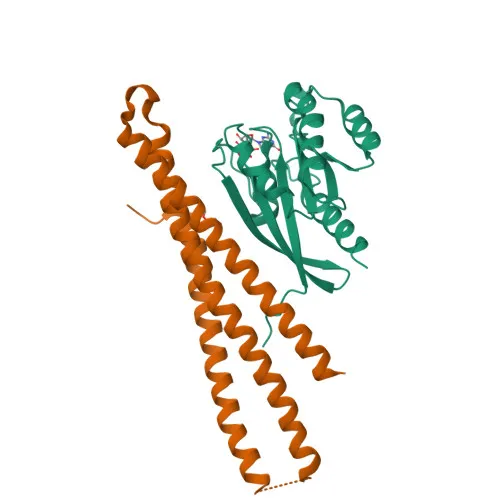
Ras-related protein Rab-10 (RAB10) is a small GTPase belonging to the Rab family of molecular switches that regulate intracellular membrane trafficking. It cycles between an inactive GDP-bound and active GTP-bound form, recruiting effector proteins to control vesicle formation, movement, tethering, and fusion. Related references: PMID:21248164
-
RAB10 is predominantly involved in biosynthetic transport from the Golgi apparatus to the plasma membrane. It regulates the delivery of SLC2A4/GLUT4 glucose transporter-enriched vesicles, TLR4 to the cell surface, and supports asymmetric protein transport, thereby influencing glucose homeostasis and innate immunity.
-
In polarized cells, RAB10 mediates basolateral trafficking from the trans-Golgi network. In neurons, it contributes to axonogenesis by directing vesicular membrane trafficking toward the axonal plasma membrane. Related references: PMID:16641372
-
RAB10 participates in endoplasmic reticulum (ER) dynamics, controlling tubulation along microtubules and tubule fusion. It also plays a role in phagosome maturation and the basolateral recycling pathway. Related references: PMID:23263280
-
Together with LRRK2, RAB8A, and RILPL1, RAB10 regulates ciliogenesis. Phosphorylation at Thr-73 by LRRK2 promotes binding to RILPL1, inhibiting cilia formation. Related references: PMID:30398148
-
RAB10 is targeted to stressed lysosomes upon LRRK2 phosphorylation, promoting extracellular release of lysosomal content via EHBP1 and EHNP1L1 effectors. It also facilitates export of a subset of neosynthesized proteins through a Rab8-Rab10-Rab11-dependent endosomal route. Related references: PMID:30209220, PMID:32344433
-
The protein is localized to multiple membrane compartments including cytoplasmic vesicles, Golgi, trans-Golgi network, endosomes (recycling and phagosome), ER, lysosomes, and the cilium basal body. It is expressed in hippocampus, neutrophils, and testis.
-
RAB10 undergoes prenylation for membrane anchoring and is known to be phosphorylated, acetylated, and ubiquitylated. It is implicated in neurodegeneration and microbial pathogenesis, as it promotes Legionella pneumophila replication by remodeling vacuoles into ER-like compartments.
Experimental Guidance and Technical Tips
- The immunogen is a synthetic peptide corresponding to amino acids 101–200 of human RAB10. This central region is conserved across human, mouse, and rat, which is consistent with the reported cross-reactivity. When using this antibody for Western blot, a specific band around 23 kDa is expected; consider using appropriate positive and negative cell lysates to validate performance.
- For immunofluorescence/ICC, RAB10 exhibits a punctate distribution consistent with its association with cytoplasmic vesicles, the Golgi, and endosomes. Permeabilization and fixation conditions may need optimization to preserve this pattern. Co-staining with organelle markers can help confirm specificity.
- The antibody is also suitable for ELISA. As with any immunoassay, consider titrating the antibody to determine optimal working concentrations for your specific sample system.
- Note that RAB10 can be phosphorylated (e.g., by LRRK2), which may affect detection if the epitope is masked. Verify reactivity under the relevant experimental conditions.
CamelBio: Your One-Stop Sourcing Bridge
CamelBio provides diagnostic manufacturers and research laboratories with integrated access to validated IVD raw materials, including monoclonal antibodies like anti-RAB10 for WB, IF/ICC, and ELISA applications. Beyond this product, we support your RAB10-related membrane trafficking and cell biology projects with optimized antibody pairs, bulk ancillary reagents, and custom sourcing solutions for rare targets.
REQUEST A QUOTE
Our professional team will reply to you within one business day. Please feel free to contact us!