Polyclonal Antibodies
PTPRA Rabbit Polyclonal Antibody for WB and ELISA - P18433
Item Number : CM0015286
Price varies based on specs and customizations
- Application
- WB, ELISA
- Cross Reactivity
- Mouse, Rat
- Protein Weight
- 91kDa

Shipping:
Contact us to get shipping details Enjoy On-time Dispatch Guarantee.
Why Choose Us
Easy ordering process, quality products, and dedicated support for your business success.
Core Product Specifications and Parameters
| Parameter | Value |
|---|---|
| Product Name | PTPRA Rabbit pAb |
| Remarks/Alias | LRP; HLPR; PTPA; HEPTP; HPTPA; RPTPA; PTPRL2; HPTPalpha; R-PTP-alpha; PTPRA |
| Species | Human |
| Gene ID (Human) | 5786 |
| Gene ID | 5786 |
| Immunogen | Recombinant fusion protein containing a sequence corresponding to amino acids 175-295 of human PTPRA (NP_543030.1) |
| Source | Rabbit |
| Category | Polyclonal Antibodies |
| Application | WB, ELISA |
| Cross Reactivity | Mouse, Rat |
| SWISS | P18433 |
| Protein Weight | 91kDa |
| Shipping | Ice bag |
Biological Background: PTPRA Function and Localization
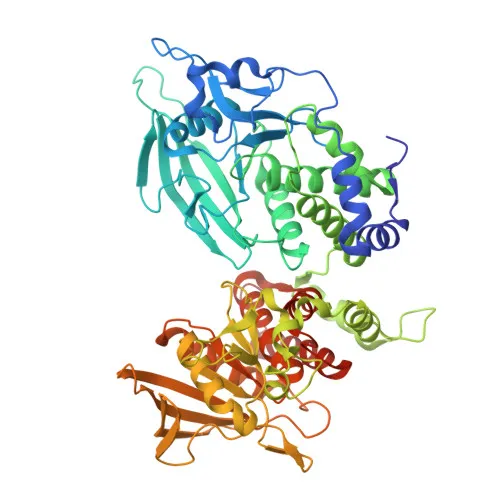
- PTPRA (Receptor-type tyrosine-protein phosphatase alpha) is a member of the classical protein tyrosine phosphatase family, containing two intracellular phosphatase domains and a single transmembrane region.
- It functions primarily in integrin-mediated focal adhesion dynamics by recruiting adaptor proteins BCAR3, BCAR1, and CRK to adhesion sites upon integrin engagement.
- This recruitment facilitates SRC-mediated phosphorylation of BCAR1 and downstream activation of PAK kinase and small GTPases RAC1 and CDC42, regulating cytoskeletal reorganization.
- PTPRA localizes predominantly to the cell membrane and is enriched at cell junctions and focal adhesions, consistent with its role in adhesion-mediated signaling.
- The protein undergoes alternative splicing and is glycosylated, with a predicted molecular weight of approximately 90.7 kDa, often observed at 91 kDa in immunoblots.
- Key post-translational modifications include phosphorylation on multiple residues, and the protein is classified under keywords such as 3D-structure, glycoprotein, hydrolase, and reference proteome.
- While primarily studied in human, conserved expression in mouse and rat underlies its cross-reactivity in these species.
Experimental Guidance and Technical Tips
- The immunogen covers amino acids 175-295 within the extracellular domain, suggesting the antibody may detect glycosylated and precursor forms; deglycosylation may simplify band patterns.
- For Western blot, standard reducing conditions and a 7.5-10% SDS-PAGE gel are recommended; enrich membrane fractions or focal adhesion preparations to enhance signal intensity.
- A band near 91 kDa is expected; verify molecular weight with a suitable ladder and consider the possibility of alternative splice variants at slightly different sizes.
- For ELISA, titrate the antibody as a capture or detection reagent against recombinant PTPRA fragments or cell lysates; validate specificity using PTPRA-overexpressing vs. knockdown cell models.
- Cross-reactivity with mouse and rat has been confirmed, but always validate in your specific cell or tissue system due to potential epitope variations.
CamelBio: Your One-Stop Sourcing Bridge
CamelBio delivers comprehensive raw-material solutions for IVD manufacturers and research laboratories, from optimized monoclonal/polyclonal antibodies to bulk ancillary reagents. Our anti-PTPRA polyclonal antibody supports investigations into integrin signaling, cell adhesion, and cancer biology. We also facilitate sourcing of validated antibody pairs and rare target reagents, ensuring seamless integration into diagnostic assay development.
REQUEST A QUOTE
Our professional team will reply to you within one business day. Please feel free to contact us!