Polyclonal Antibodies
PTBP2 Rabbit pAb for WB, IHC-P, ELISA - Q9UKA9
Item Number : CM0026986
Price varies based on specs and customizations
- Application
- WB, IHC-P, ELISA
- Cross Reactivity
- Human, Mouse, Rat
- Protein Weight
- 57kDa

Shipping:
Contact us to get shipping details Enjoy On-time Dispatch Guarantee.
Why Choose Us
Easy ordering process, quality products, and dedicated support for your business success.
Core Product Specifications and Parameters
| Parameter | Value |
|---|---|
| Product Name | PTBP2 Rabbit pAb |
| Remarks/Alias | nPTB; PTBLP; brPTB; PTBP2 |
| Species | Human |
| GeneID (Human) | 58155 |
| GeneID | 58155 |
| Immunogen | Recombinant fusion protein containing a sequence corresponding to amino acids 1-280 of human PTBP2 (NP_001287918.1) |
| Source | Rabbit |
| Category | Polyclonal Antibodies |
| Application | WB, IHC-P, ELISA |
| Cross Reactivity | Human, Mouse, Rat |
| SWISS | Q9UKA9 |
| Protein Weight | 57kDa |
| Shipping | Ice bag |
Biological Background: PTBP2 Function and Localization
- PTBP2, also known as neural polypyrimidine tract-binding protein (nPTB), is an RNA-binding protein that belongs to the hnRNP family.
- It binds to intronic polypyrimidine tracts and mediates negative regulation of exon splicing, potentially antagonizing NOVA1-dependent exon activation in a tissue-specific manner.
- In addition to pre-mRNA splicing, PTBP2 is involved in the regulation of translation.
- The protein localizes predominantly to the nucleus, consistent with its role in RNA processing.
- PTBP2 undergoes post-translational modifications such as phosphorylation and acetylation, which may modulate its RNA-binding affinity and functional interactions.
- It exhibits tissue-specific expression: neuronal isoforms 1 and 2 are mainly in brain, while isoforms 3, 4, 5, and 6 are expressed in non-neuronal tissues like heart and skeletal muscle.
- The gene is subject to alternative splicing, generating multiple isoforms with distinct tissue distributions and possibly different functions.
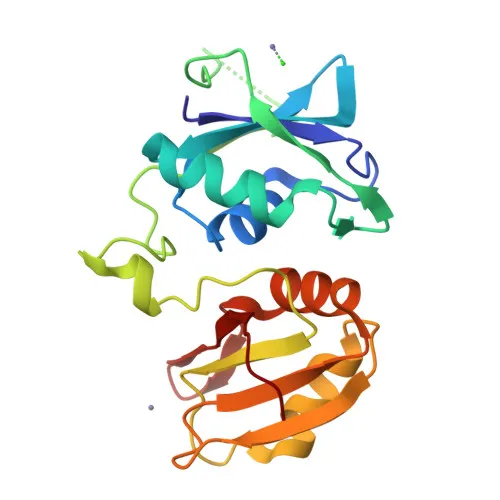
- PTBP2 contains RNA recognition motif (RRM) domains, and its RNA-binding affinity is relatively low compared to its ubiquitous homolog PTBP1.
Experimental Guidance and Technical Tips
- The immunogen corresponds to the N-terminal region (aa 1-280) of human PTBP2, which overlaps with RNA recognition motifs; consider this when evaluating isoform detection.
- For Western blotting, the predicted molecular weight is 57 kDa; validate band specificity using lysates from neuronal tissues or cell lines where PTBP2 is expressed.
- In IHC-P, nuclear staining is expected; use appropriate antigen retrieval and validate with known positive controls (e.g., brain tissue sections).
- For ELISA, consider coating the recombinant protein or peptide antigen and test with a range of antibody dilutions to optimize signal.
CamelBio: Your One-Stop Sourcing Bridge
CamelBio serves as a comprehensive one-stop partner for IVD raw materials, offering validated antibody pairs, optimized monoclonal and polyclonal antibodies, bulk ancillary reagents, and rare target sourcing. This PTBP2 polyclonal antibody supports splicing and translation research, particularly in neurological applications. Whatever your development pipeline requires, CamelBio streamlines access to high-quality reagents and technical support from concept to clinic.
REQUEST A QUOTE
Our professional team will reply to you within one business day. Please feel free to contact us!