Polyclonal Antibodies
Pro-glucagon Rabbit pAb for WB, IF-P, IHC-P, ELISA - P01275
Item Number : CM0015629
Price varies based on specs and customizations
- Application
- WB, IF-P, IHC-P, ELISA
- Cross Reactivity
- Human, Mouse, Rat
- Protein Weight
- 21kDa

Shipping:
Contact us to get shipping details Enjoy On-time Dispatch Guarantee.
Why Choose Us
Easy ordering process, quality products, and dedicated support for your business success.
Core Product Specifications and Parameters
| Parameter | Value |
|---|---|
| Product Name | Pro-glucagon Rabbit pAb |
| Remarks/Alias | GLP1; GLP2; GRPP; GLP-1; Pro-glucagon |
| Species | Human |
| Gene ID | 2641 |
| Immunogen | Recombinant fusion protein containing a sequence corresponding to amino acids 21-89 of human Pro-glucagon (NP_002045.1) |
| Source | Rabbit |
| Category | Polyclonal Antibodies |
| Application | WB, IF-P, IHC-P, ELISA |
| Cross Reactivity | Human, Mouse, Rat |
| SWISS | P01275 |
| Protein Weight | 21kDa |
| Shipping | Ice bag |
Biological Background: Pro-glucagon Function and Localization
- Pro-glucagon is a precursor protein that undergoes tissue-specific post-translational processing to generate multiple peptide hormones, including glucagon, glucagon-like peptide-1 (GLP-1), glucagon-like peptide-2 (GLP-2), and glicentin-related pancreatic polypeptide (GRPP).
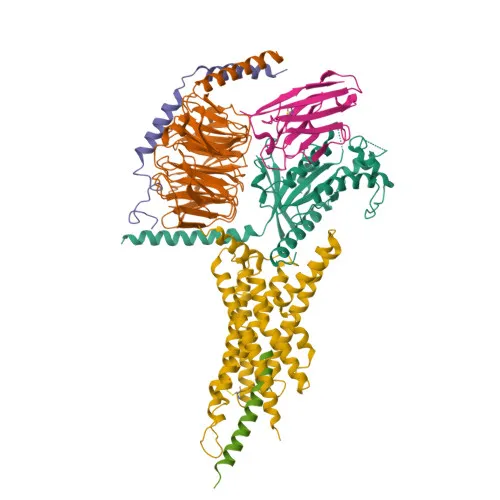
- Glucagon plays a key role in glucose metabolism and homeostasis. It acts as a counterregulatory hormone of insulin, raising plasma glucose levels by promoting gluconeogenesis and glycogenolysis. Glucagon binds to and activates the glucagon receptor GCGR, which couples to G(s) protein and elevates intracellular cAMP, triggering downstream metabolic responses. Related references: PMID:32193322
- GLP-1 is a potent stimulator of glucose-dependent insulin secretion and also enhances insulin release in response to IL-6. It suppresses plasma glucagon levels, inhibits gastric motility, promotes satiety, and may contribute to glucose disposal in peripheral tissues. GLP-1 also has growth-promoting effects on intestinal epithelium and increases pancreatic beta cell proliferation while inhibiting apoptosis. Related references: PMID:22037645 PMID:40446798 PMID:10605628 PMID:14719035 PMID:12554744
- GLP-2 stimulates intestinal growth, increasing villus height and crypt cell proliferation while reducing enterocyte apoptosis. It enhances nutrient assimilation by up-regulating intestinal glucose transport and reducing mucosal permeability.
- GLP-1 significantly reduces food intake and inhibits gastric emptying, contributing to increased gastric distension and a sensation of fullness.
- Pro-glucagon-derived peptides are secreted from the A cells of the pancreatic islets of Langerhans (glucagon) and from enteroendocrine L cells throughout the gastrointestinal tract (GLP-1 and GLP-2). They are also expressed in selected neurons of the brain.
- Post-translational modifications of pro-glucagon include cleavage on paired basic residues, C-terminal amidation, and phosphorylation, which are critical for generating active hormones.
Experimental Guidance and Technical Tips
- The immunogen corresponds to amino acids 21-89 of human pro-glucagon, targeting the N-terminal region of the precursor. This region may recognize both the full-length pro-glucagon (approx. 21 kDa) and potentially some processed fragments, depending on sample preparation and antibody specificity.
- For Western blotting (WB), consider using reduced sample conditions and validate the antibody in relevant cell or tissue lysates known to express pro-glucagon (e.g., pancreatic islets or intestinal L cells). The expected molecular weight for pro-glucagon is 21 kDa; however, endogenous processed forms may appear at lower molecular weights.
- In immunofluorescence (IF) and immunohistochemistry (IHC), pro-glucagon is secreted; thus, staining may appear as granular cytoplasmic or vesicular patterns. Use appropriate positive control tissues such as pancreas or intestine.
- For ELISA, the polyclonal format offers high sensitivity, but cross-reactivity with pro-glucagon-derived peptides should be assessed with purified antigens. Consider pair testing with a monoclonal capture antibody if a specific assay is desired.
CamelBio: Your One-Stop Sourcing Bridge
CamelBio offers diagnostic manufacturers and research labs a streamlined channel for IVD raw material procurement, supporting metabolic disease research and beyond. Our portfolio includes validated polyclonal antibodies like this anti-Pro-glucagon product, alongside optimized antibody pairs, bulk ancillary reagents, and custom sourcing for rare targets. Let us help accelerate your assay development from concept to clinical application.
REQUEST A QUOTE
Our professional team will reply to you within one business day. Please feel free to contact us!