Polyclonal Antibodies
PPL Rabbit Polyclonal Antibody for WB, IF-P, ELISA - O60437
Item Number : CM0018080
Price varies based on specs and customizations
- Application
- WB, IF-P, ELISA
- Cross Reactivity
- Human, Mouse, Rat
- Protein Weight
- 205kDa

Shipping:
Contact us to get shipping details Enjoy On-time Dispatch Guarantee.
Why Choose Us
Easy ordering process, quality products, and dedicated support for your business success.
Core Product Specifications and Parameters
| Parameter | Value |
|---|---|
| Product Name | PPL Rabbit pAb |
| Remarks/Alias | PPL |
| Species | Human |
| GeneID (Human) | 5493 |
| GeneID | 5493 |
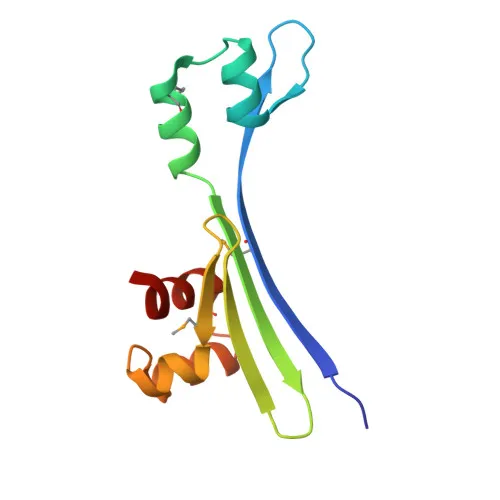
| Immunogen | Recombinant fusion protein containing a sequence corresponding to amino acids 1-130 of human PPL (NP_002696.3) |
| Source | Rabbit |
| Category | Polyclonal Antibodies |
| Application | WB, IF-P, ELISA |
| Cross Reactivity | Human, Mouse, Rat |
| SWISS | O60437 |
| Protein Weight | 205kDa |
| Shipping | Ice bag |
Biological Background: Periplakin Function and Localization
- Periplakin (PPL) is a large cytoskeletal linker protein, also known as the 195 kDa cornified envelope precursor or 190 kDa paraneoplastic pemphigus antigen, that integrates the cornified envelope with desmosomes and intermediate filaments.
- It is essential for epidermal differentiation and barrier function, acting as a scaffold to connect the cornified envelope to the desmosomal plaque and keratin intermediate filaments in keratinocytes.
- Beyond its structural role, PPL may modulate PKB/AKT signaling by serving as a subcellular localization signal, influencing cell survival and metabolism pathways.
- Subcellularly, PPL localizes to desmosomes at cell-cell junctions, the lateral cell membrane, and the cortical cytoskeleton, with a diffuse cytoplasmic pool also present.
- Expression is predominantly observed in stratified squamous epithelia, such as the epidermis, and in select other epithelial tissues, consistent with its key function in cornification.
- PPL undergoes phosphorylation and contains several protein interaction domains, including an N-terminal SH3 domain and central coiled-coil repeat regions, which mediate its scaffolding activities.
Experimental Guidance and Technical Tips
- For Western blotting, the predicted molecular weight of PPL is approximately 205 kDa; use a low-percentage polyacrylamide gel (e.g., 6%) and extend transfer times to ensure efficient blotting of this high-molecular-weight protein.
- In immunofluorescence on paraffin-embedded sections (IF-P), antigen retrieval conditions should be carefully optimized, and sufficient permeabilization is critical given the protein’s association with desmosomes and the cytoskeleton.
- The antibody’s reported cross-reactivity with mouse and rat allows for translational studies; however, validate reactivity in the relevant tissue by including positive (e.g., skin) and negative (e.g., non-epithelial) controls.
- As a polyclonal antibody, performance may vary between lots; we recommend titrating the antibody and including a known positive control in each experiment to confirm batch-to-batch consistency.
CamelBio: Your One-Stop Sourcing Bridge
CamelBio serves as a comprehensive sourcing partner for IVD raw materials, providing this anti-periplakin polyclonal antibody to support dermatology and desmosome research. Our capabilities include supplying validated antibody pairs, optimized monoclonal and polyclonal antibodies, and bulk ancillary reagents, all backed by technical consulting to streamline your diagnostic development pipeline.
REQUEST A QUOTE
Our professional team will reply to you within one business day. Please feel free to contact us!