Polyclonal Antibodies
PPIL1 Rabbit pAb - Q9Y3C6
Item Number : CM0015450
Price varies based on specs and customizations
- Application
- WB, ELISA
- Cross Reactivity
- Human, Mouse, Rat
- Protein Weight
- 18kDa

Shipping:
Contact us to get shipping details Enjoy On-time Dispatch Guarantee.
Why Choose Us
Easy ordering process, quality products, and dedicated support for your business success.
Core Product Specifications and Parameters
| Parameter | Value |
|---|---|
| Product Name | PPIL1 Rabbit pAb |
| Remarks/Alias | CYPL1; PCH14; hCyPX; PPIase; CGI-124; PPIL1 |
| Species | Human |
| GeneID (Human) | 51645 |
| GeneID | 51645 |
| Immunogen | Recombinant fusion protein containing a sequence corresponding to amino acids 1-166 of human PPIL1 (NP_057143.1) |
| Source | Rabbit |
| Category | Polyclonal Antibodies |
| Application | WB, ELISA |
| Cross Reactivity | Human, Mouse, Rat |
| SWISS | Q9Y3C6 |
| Protein Weight | 18kDa |
| Shipping | Ice bag |
Biological Background: PPIL1 Function and Localization
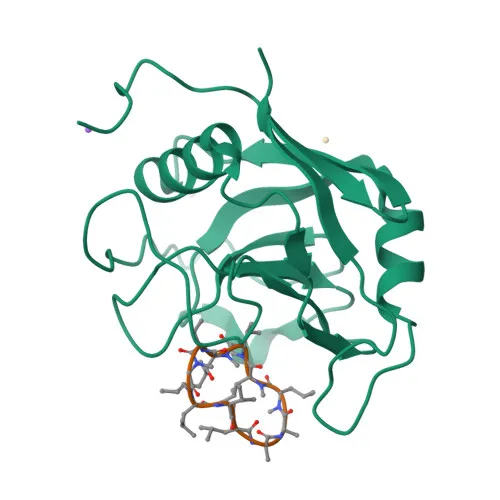
- PPIL1 (peptidyl-prolyl cis-trans isomerase-like 1), also designated rotamase PPIL1, catalyzes the cis-trans isomerization of proline imidic peptide bonds in oligopeptides. Related references: PMID:16595688
- As a component of the spliceosome, PPIL1 participates in pre-mRNA splicing. Related references: PMID:11991638, PMID:28076346, PMID:28502770
- PPIL1 catalyzes prolyl peptide bond isomerization in CDC40/PRP17, a splicing factor. Related references: PMID:33220177
- The protein plays an essential role in embryonic brain development, a function that is independent of its isomerase activity. Related references: PMID:33220177
- Subcellular localization is predominantly nuclear.
- PPIL1 is ubiquitously expressed, with highest levels observed in heart and skeletal muscle.
- Post-translational modifications include phosphorylation (Phosphoprotein keyword); disease variants are associated with intellectual disability.
Experimental Guidance and Technical Tips
- The immunogen used to generate this antibody covers the N-terminal region (aa 1-166) of human PPIL1, which may ensure recognition of endogenous protein across human, mouse, and rat samples.
- For Western blot, consider using whole-cell lysates from heart or skeletal muscle tissues where PPIL1 expression is highest; verify a band near 18 kDa.
- For ELISA, titrate the antibody to determine the optimal working concentration and validate specificity using recombinant PPIL1 protein or peptide blocking.
- Because PPIL1 functions in the spliceosome, consider testing the antibody in nuclear extracts or splicing-competent cell lines.
CamelBio: Your One-Stop Sourcing Bridge
CamelBio serves as a one-stop sourcing bridge, providing diagnostic manufacturers and research laboratories with bulk IVD raw materials and technical support—from concept to clinic. This PPIL1 Rabbit pAb meets the needs for studying pre-mRNA splicing and isomerase activity, and it is backed by our supply capabilities including validated antibody pairs, optimized monoclonal/polyclonal antibodies, and ancillary reagents. Whether you require rare-target antibodies or large-scale production, CamelBio is your reliable partner in advancing diagnostic and research applications.
REQUEST A QUOTE
Our professional team will reply to you within one business day. Please feel free to contact us!