Polyclonal Antibodies
PKLR Rabbit Polyclonal Antibody for WB and ELISA - P30613
Item Number : CM0016282
Price varies based on specs and customizations
- Application
- WB, ELISA
- Cross Reactivity
- Human, Mouse, Rat
- Protein Weight
- 62kDa

Shipping:
Contact us to get shipping details Enjoy On-time Dispatch Guarantee.
Why Choose Us
Easy ordering process, quality products, and dedicated support for your business success.
Core Product Specifications and Parameters
| Parameter | Value |
|---|---|
| Product Name | PKLR Rabbit pAb |
| Remarks/Alias | PK1; PKL; RPK; PKRL; PKLR |
| Species | Human |
| GeneID (Human) | 5313 |
| GeneID | 5313 |
| Immunogen | Recombinant fusion protein containing a sequence corresponding to amino acids 446-556 of human PKLR (NP_000289.1) |
| Source | Rabbit |
| Category | Polyclonal Antibodies |
| Application | WB, ELISA |
| Cross Reactivity | Human, Mouse, Rat |
| SWISS | P30613 |
| Protein Weight | 62kDa |
| Shipping | Ice bag |
Biological Background: PKLR Function and Localization
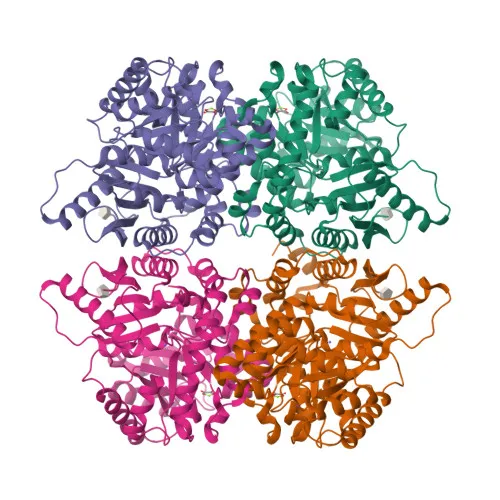
- PKLR encodes pyruvate kinase isozymes L/R, also known as PK1, PKL, and red cell/liver pyruvate kinase.
- It catalyzes the conversion of phosphoenolpyruvate to pyruvate with synthesis of ATP, a key step in glycolysis. Related references: PMID:11960989
- PKLR produces the side product 2-phospholactate, which can inhibit fructose-2,6-bisphosphate production; dephosphorylation by PGP relieves this inhibition and allows glycolysis to proceed. Related references: PMID:27294321
- The enzyme is allosterically regulated by fructose-1,6-bisphosphate and ATP, and requires metal ions such as magnesium, manganese, and potassium for activity.
- Alternative splicing generates tissue-specific isoforms expressed in erythrocytes and liver.
- Mutations in PKLR are linked to hereditary hemolytic anemia, and the protein is subject to phosphorylation and other post-translational modifications.
Experimental Guidance and Technical Tips
- The immunogen corresponds to amino acids 446-556, a region that may be accessible in both native and denatured forms, supporting use in WB and ELISA.
- For Western blot, consider using 10–20 µg of cell lysate and validate with appropriate positive and negative controls, as detection may vary across samples.
- Due to polyclonal nature, lot-to-lot consistency should be verified for quantitative assays; include a loading control and standardize detection conditions.
- When setting up ELISA, titrate the antibody and confirm cross-reactivity with mouse and rat PKLR using recombinant proteins or cell extracts.
CamelBio: Your One-Stop Sourcing Bridge
CamelBio serves as a comprehensive IVD raw-material sourcing partner for glycolysis research, offering validated antibody pairs, optimized monoclonal and polyclonal antibodies, and bulk ancillary reagents. Whether you need PKLR antibodies or materials for rare metabolic targets, our supply chain expertise ensures reliable procurement for diagnostic manufacturers and research laboratories. We are committed to providing one-stop support that bridges concept to clinic.
REQUEST A QUOTE
Our professional team will reply to you within one business day. Please feel free to contact us!