Monoclonal Antibodies
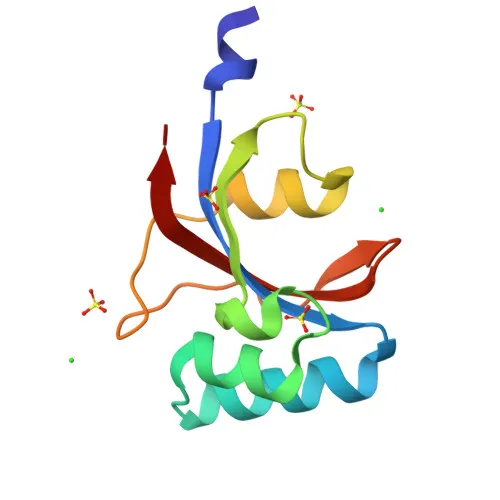
PIN4 Rabbit Monoclonal Antibody for WB and ELISA - Q9Y237
Item Number : CM0002175
Price varies based on specs and customizations
- Application
- WB, ELISA
- Cross Reactivity
- Human, Mouse, Rat
- Protein Weight
- 14kDa

Shipping:
Contact us to get shipping details Enjoy On-time Dispatch Guarantee.
Why Choose Us
Easy ordering process, quality products, and dedicated support for your business success.
Core Product Specifications and Parameters
| Parameter | Value |
|---|---|
| Product Name | PIN4 Rabbit mAb |
| Remarks/Alias | EPVH; PAR14; PAR17; hEPVH; hPar14; hPar17; PIN4 |
| Species | Human |
| GeneID (Human) | 5303 |
| Immunogen | Synthetic peptide; A synthetic peptide corresponding to a sequence within amino acids 52-131 of human PIN4 (Q9Y237). |
| Source | Rabbit |
| Category | Monoclonal Antibodies |
| Application | WB, ELISA |
| Cross Reactivity | Human, Mouse, Rat |
| SWISS | Q9Y237 |
| Protein Weight | 14kDa |
| Shipping | Ice bag |
Biological Background: PIN4 Function and Localization
- Identifies as peptidyl-prolyl cis-trans isomerase NIMA-interacting 4 (PIN4), also known as parvulin-14 (Par14) and parvulin-17 (Par17). Two isoforms are produced by alternative promoter usage: isoform 1 (Par17) and isoform 2 (Par14).
- Isoform 1 functions in ribosome biogenesis as a ribosomal RNA processing factor and binds tightly bent AT-rich stretches of double-stranded DNA. Isoform 2 binds to double-stranded DNA.
- Belongs to the parvulin family of peptidyl-prolyl cis-trans isomerases (PPIases), which catalyze the cis-trans isomerization of proline imidic peptide bonds in oligopeptides.
- Subcellular localization includes nucleus, nucleolus, cytoplasm, cytoskeleton (spindle), and mitochondria (matrix). Thus, PIN4 shuttles between compartments.
- Post-translational modifications include phosphorylation and ubiquitin-like conjugation as per UniProt keywords; further functional studies are required.
- Tissue expression is ubiquitous, with isoform 1 transcripts being more abundant than isoform 2 in kidney, liver, blood vessel, brain, mammary gland, skeletal muscle, small intestine, and submandibularis. At protein level, isoform 2 is more stable.
Experimental Guidance and Technical Tips
- The immunogen (synthetic peptide within amino acids 52–131) may recognize both PIN4 isoforms if the epitope is conserved. Verify isoform specificity in the target sample by comparing molecular weights: isoform 1 (Par17) at ~17 kDa and isoform 2 (Par14) at ~14 kDa.
- For Western blot, test both nuclear and cytoplasmic extracts due to PIN4’s multi-compartment localization. Endogenous detection is expected in human, mouse, and rat cell lines.
- ELISA application is listed; optimize coating and detection conditions according to the assay format (direct, indirect, or sandwich). No further performance data is available from the supplier.
CamelBio: Your One-Stop Sourcing Bridge
CamelBio supports diagnostic manufacturers and research institutions with a comprehensive portfolio of IVD raw materials. This anti-PIN4 monoclonal antibody facilitates studies on ribosome biogenesis, chromatin dynamics, and nucleolar function. Beyond antibodies, CamelBio offers validated antibody pairs, bulk ancillary reagents, and rare-target sourcing to streamline your assay development pipeline.
REQUEST A QUOTE
Our professional team will reply to you within one business day. Please feel free to contact us!