Phosphorylated Antibodies
Phospho-ZAP70-Y493 Rabbit mAb - P43403
Item Number : CM0001386
Price varies based on specs and customizations
- Application
- IF/ICC, ELISA
- Cross Reactivity
- Human
- Protein Weight
- 70kDa

Shipping:
Contact us to get shipping details Enjoy On-time Dispatch Guarantee.
Why Choose Us
Easy ordering process, quality products, and dedicated support for your business success.
Core Product Specifications and Parameters
| Parameter | Value |
|---|---|
| Product Name | Phospho-ZAP70-Y493 Rabbit mAb |
| Remarks/Alias | ZAP70; ADMIO2; IMD48; SRK; STCD; STD; TZK; ZAP-70; tyrosine-protein kinase ZAP-70; Phospho-ZAP70-Y493 |
| Species | Human |
| Gene ID | 7535 |
| Immunogen | A synthetic phosphorylated peptide around Y493 of human ZAP70 |
| Source | Rabbit |
| Category | Phosphorylated Antibodies |
| Application | IF/ICC, ELISA |
| Cross Reactivity | Human |
| SWISS | P43403 |
| Protein Weight | 70kDa |
| Shipping | Ice bag |
Biological Background: ZAP70 Function and Localization
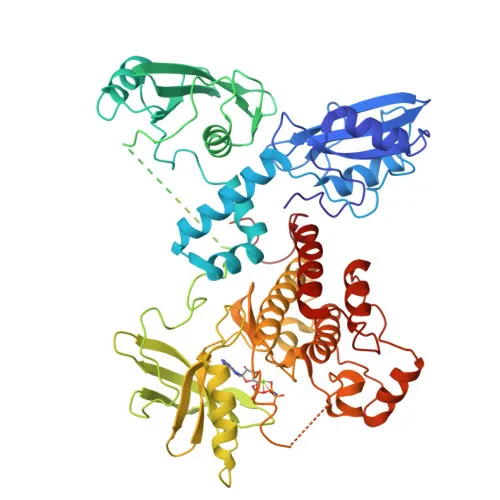
- ZAP70 (Tyrosine-protein kinase ZAP-70), also known as Syk-related tyrosine kinase, is a 70 kDa cytoplasmic protein belonging to the Syk kinase family.
- It plays a pivotal role in adaptive immunity by regulating T-cell and B-cell receptor signaling, affecting motility, adhesion, cytokine expression, and thymocyte development.
- Upon TCR engagement, ZAP70 is recruited to the phosphorylated ITAM motifs of CD3E and CD247/CD3Z at the plasma membrane, which relieves its autoinhibition and leads to activation (PubMed:7509083). Related references: PMID:7509083
- Activated ZAP70 phosphorylates key adaptor proteins LAT and LCP2, assembling signaling complexes that drive lymphokine production, T-cell proliferation, and differentiation.
- ZAP70 also modulates T-cell cytoskeleton dynamics, adhesion, and mobility, and participates in TCR downregulation by promoting CD247/CD3Z internalization and degradation via CBL and adaptor proteins SLA/SLA2.
- Subcellular localization is mainly cytoplasmic and at the cell membrane, with expression restricted to T-cells, natural killer cells, early thymocytes, and pro/pre B-cells.
- Post-translational modifications include phosphorylation (critical for activity), acetylation, and ubiquitination; the protein features SH2 domains, an ATP-binding kinase domain, and multiple phosphorylation sites.
Experimental Guidance and Technical Tips
- The antibody targets the phosphorylation site at Tyr493, a critical residue for ZAP70 activation; consider using phosphatase inhibitors during sample preparation to preserve the phospho-epitope.
- For IF/ICC, validate staining specificity by using a non-phosphorylated peptide block or treating cells with a phosphatase to confirm signal loss.
- This antibody is suitable for ELISA; when adapting to other immunoassays, titrate and test in your specific sample matrix to ensure linearity and sensitivity.
CamelBio: Your One-Stop Sourcing Bridge
CamelBio simplifies IVD raw material procurement by offering validated antibody pairs, optimized monoclonal/polyclonal antibodies, bulk ancillary reagents, and rare-target sourcing—all under one roof. This phospho-specific ZAP70 antibody supports adaptive immunity research, particularly in T-cell signaling and immunological disorder studies. Reach out to explore how our end-to-end supply chain can accelerate your diagnostic development from concept to clinic.
REQUEST A QUOTE
Our professional team will reply to you within one business day. Please feel free to contact us!