Phosphorylated Antibodies
Phospho-VASP-S157 Rabbit mAb for WB, ELISA - P50552
Item Number : CM0000950
Price varies based on specs and customizations
- Application
- WB, ELISA
- Cross Reactivity
- Mouse, Rat
- Protein Weight
- 40kDa

Shipping:
Contact us to get shipping details Enjoy On-time Dispatch Guarantee.
Why Choose Us
Easy ordering process, quality products, and dedicated support for your business success.
Core Product Specifications and Parameters
| Parameter | Value |
|---|---|
| Product Name | Phospho-VASP-S157 Rabbit mAb |
| Remarks/Alias | VASP; Phospho-VASP-S157 |
| Species | Human |
| GeneID (Human) | 7408 |
| GeneID | 7408 |
| Immunogen | A synthetic phosphorylated peptide around S157 of human VASP (NP_003361.1) |
| Source | Rabbit |
| Category | Phosphorylated Antibodies |
| Application | WB, ELISA |
| Cross Reactivity | Mouse, Rat |
| SWISS | P50552 |
| Protein Weight | 40kDa |
| Shipping | Ice bag |
Biological Background: Vasodilator-stimulated Phosphoprotein (VASP) Function and Localization
- VASP (vasodilator-stimulated phosphoprotein) is an actin-associated protein that plays a critical role in cytoskeleton remodeling and cell polarity, influencing processes such as axon guidance, lamellipodial and filopodial dynamics, platelet activation, and cell migration.
- VASP promotes actin filament elongation by protecting barbed ends from capping proteins and facilitating the transfer of profilin-bound actin monomers onto growing filament ends, thereby enhancing actin polymerization dynamics.
- In platelets, VASP is a key regulator of actin organization and platelet aggregation; it is highly expressed in platelets and modulates the cytoskeletal rearrangements essential for hemostasis.
- Subcellularly, VASP localizes to dynamic actin structures including focal adhesions, tight junctions, lamellipodia, and filopodia membranes, reflecting its role in cell adhesion and motility.
- VASP is a phosphoprotein subject to multiple phosphorylation events; phosphorylation at Ser157 (the epitope recognized by this antibody) is a well-characterized modification associated with changes in VASP localization and function.
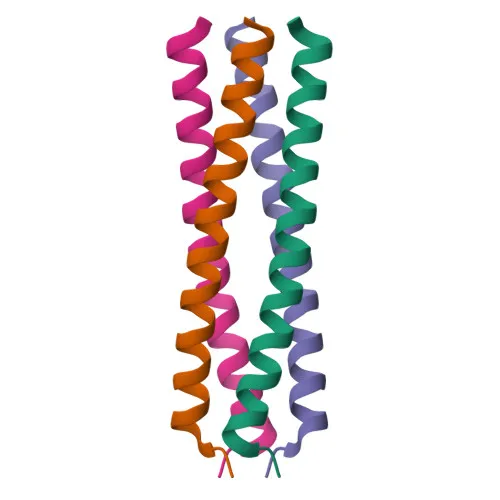
- The protein contains an Ena/VASP homology 1 (EVH1) domain, a proline-rich region, and an EVH2 domain that mediates tetramerization and actin binding, allowing VASP to act as a processive actin polymerase.
- Keywords associated with VASP include actin-binding, cell junction, cell projection, SH3-binding, and tight junction, underscoring its multifaceted role in cytoskeletal and cell adhesion biology.
Experimental Guidance and Technical Tips
- When performing Western blot, include phosphatase inhibitors in lysis buffers to preserve the S157 phosphorylation signal, as dephosphorylation can occur rapidly post-lysis.
- Validate antibody specificity by comparing signals in stimulated versus unstimulated cells or by treating samples with lambda phosphatase to confirm phosphorylation dependence.
- For ELISA applications, coat with phospho-peptide immunogen and verify dose-dependent binding; consider using a non-phosphorylated peptide control to assess specificity.
- Although this antibody is recommended for human samples, cross-reactivity with mouse and rat has been reported; optimize detection conditions for each species due to potential sequence variations.
CamelBio: Your One-Stop Sourcing Bridge
At CamelBio, we streamline your IVD development by providing a comprehensive portfolio of high-quality raw materials, including validated antibodies for cytoskeletal research targets like VASP. Our offerings encompass optimized monoclonal and polyclonal antibodies, matched antibody pairs, bulk ancillary reagents, and custom sourcing for specialized needs—all designed to accelerate your assay development from concept to clinic.
REQUEST A QUOTE
Our professional team will reply to you within one business day. Please feel free to contact us!