Phosphorylated Antibodies
Phospho-β-Catenin (S33/S37/T41) Rabbit Polyclonal Antibody for IHC-P, ELISA - P35222
Item Number : CM0001129
Price varies based on specs and customizations
- Application
- IHC-P, ELISA
- Cross Reactivity
- Human, Mouse, Rat
- Protein Weight
- 85kDa

Shipping:
Contact us to get shipping details Enjoy On-time Dispatch Guarantee.
Why Choose Us
Easy ordering process, quality products, and dedicated support for your business success.
Core Product Specifications and Parameters
| Parameter | Value |
|---|---|
| Product Name | Phospho-β-Catenin-S33/S37/T41 Rabbit pAb |
| Remarks/Alias | EVR7; CTNNB; MRD19; NEDSDV; armadillo; Phospho-β-Catenin-S33/S37/T41 |
| Species | Human |
| GeneID (Human) | 1499 |
| GeneID | 1499 |
| Immunogen | Synthetic peptide |
| Source | Rabbit |
| Category | Phosphorylated Antibodies |
| Application | IHC-P, ELISA |
| Cross Reactivity | Human, Mouse, Rat |
| SWISS | P35222 |
| Protein Weight | 85kDa |
| Shipping | Ice bag |
Biological Background: β-Catenin Function and Localization
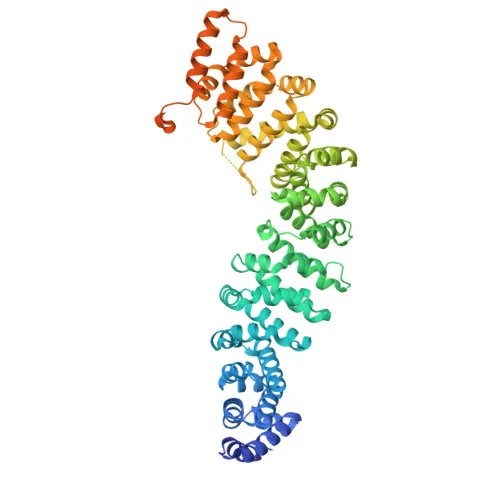
- Beta-catenin (catenin beta-1) is a key downstream effector of the canonical Wnt signaling pathway. In the absence of Wnt, it is phosphorylated at N-terminal Ser/Thr residues (including S33, S37, T41) by a destruction complex containing AXIN, APC, GSK3B, and CSNK1A1, leading to its ubiquitination by BTRC and proteasomal degradation.
Related references:
PMID:17524503 | PMID:18077326 | PMID:18086858 - Upon Wnt ligand stimulation, the destruction complex is inhibited, allowing beta-catenin to accumulate and translocate to the nucleus, where it acts as a coactivator for TCF/LEF transcription factors to activate Wnt-responsive genes.
Related references:
PMID:17524503 | PMID:18077326 | PMID:18086858 - Beta-catenin also serves as an essential structural component of adherens junctions, linking E-cadherin to the actin cytoskeleton and thereby regulating cell adhesion. (By similarity)
- It promotes epithelial-mesenchymal transition (EMT) by driving transcription of CTNNB1/TCF target genes, which is critical for development and cancer metastasis.
Related references:
PMID:29910125 - Beta-catenin is expressed in various tissues, including colon, breast cancer tissues (at protein level), hair follicles, and cortical neurons, and localizes to the cytoplasm, nucleus, cell membrane, and centrosome.
Related references:
PMID:29367600 - Post-translational modifications, such as phosphorylation, acetylation, and ubiquitination, tightly regulate its stability and activity; phosphorylation at S33/S37/T41 is the key signal for degradation.
Experimental Guidance and Technical Tips
- For IHC-P, consider using antigen retrieval and including phosphatase inhibitors to preserve phosphorylation signals. Validate the antibody with both phosphorylated and non-phosphorylated peptide blocking controls.
- In ELISA, the phosphorylated peptide immunogen can serve as a positive control to assess assay sensitivity and specificity.
- The antibody has been shown to react with human, mouse, and rat samples; for other species, verify cross-reactivity experimentally.
- Given the low stoichiometry of phosphorylation, enrichment steps or sensitive detection methods may be required.
CamelBio: Your One-Stop Sourcing Bridge
CamelBio is your dedicated partner for sourcing high-quality IVD raw materials, from phospho-specific antibodies like this anti-phospho-β-catenin to complete assay development support. Our global network delivers validated antibody pairs, bulk ancillary reagents, and custom development for rare targets, accelerating your diagnostic projects from concept to clinic.
REQUEST A QUOTE
Our professional team will reply to you within one business day. Please feel free to contact us!