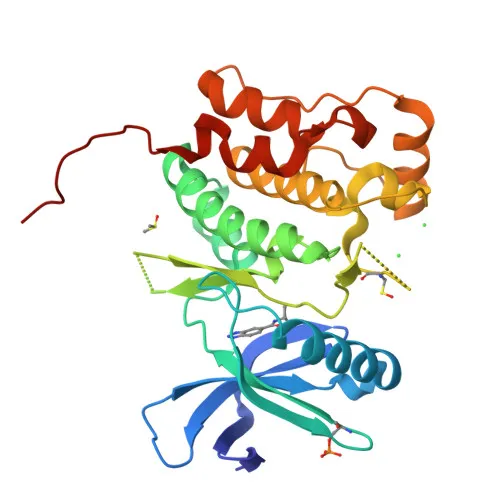
Phosphorylated Antibodies
Phospho-ULK1-S638 Rabbit pAb for WB and ELISA - O75385
Item Number : CM0001341
Price varies based on specs and customizations
- Application
- WB, ELISA
- Cross Reactivity
- Human, Mouse
- Protein Weight
- 113kDa

Shipping:
Contact us to get shipping details Enjoy On-time Dispatch Guarantee.
Why Choose Us
Easy ordering process, quality products, and dedicated support for your business success.
Core Product Specifications and Parameters
| Parameter | Value |
|---|---|
| Product Name | Phospho-ULK1-S638 Rabbit pAb |
| Remarks/Alias | ATG1; ATG1A; UNC51; hATG1; Unc51.1; Phospho-ULK1-S638 |
| Species | Human |
| GeneID (human) | 8408 |
| GeneID | 8408 |
| Immunogen | Synthetic peptide - A synthetic phosphorylated peptide around S638 of human ULK1 (NP_003556.1). |
| Source | Rabbit |
| Category | Phosphorylated Antibodies |
| Application | WB, ELISA |
| Cross Reactivity | Human, Mouse |
| SWISS | O75385 |
| Protein Weight | 113kDa |
| Shipping | Ice bag |
Biological Background: ULK1 Function and Localization
- ULK1 (Unc-51 like autophagy activating kinase 1) is a serine/threonine-protein kinase, also known as ATG1, that serves as a critical initiator of autophagy in response to starvation. Related references: PMID:18936157, PMID:21460634, PMID:21795849
- It acts upstream of the phosphatidylinositol 3-kinase PIK3C3 to regulate autophagophore formation and participates in regulatory feedback loops with mTORC1. Related references: PMID:18936157, PMID:21460634, PMID:21795849
- ULK1 is activated by AMPK-mediated phosphorylation and in turn phosphorylates AMPK subunits, forming an additional feedback mechanism. Related references: PMID:21460634
- The kinase phosphorylates multiple autophagy-related substrates, including SESN2, SQSTM1, FLCN, AMBRA1, and ATG4B, to coordinate autophagosome formation and maturation. Related references: PMID:25040165, PMID:37306101, PMID:25126726, PMID:20921139, PMID:28821708
- Plays a role early in neuronal differentiation and is required for granule cell axon formation. Related references: PMID:11146101
- Subcellular localization includes the cytoplasm, cytosol, and preautophagosomal structures.
- Ubiquitously expressed in adult tissues, including skeletal muscle, heart, pancreas, brain, placenta, liver, kidney, and lung.
- Classified as a phosphoprotein and member of the protein kinase superfamily, with key involvement in autophagy signaling.
Experimental Guidance and Technical Tips
- This antibody was raised against a synthetic phosphorylated peptide around Ser638 of human ULK1; validate phospho-specificity by comparing signals from phosphatase-treated and untreated lysates.
- For Western blot applications, consider including phosphatase inhibitors in lysis buffers to preserve phosphorylation states.
- Titrate antibody concentration for optimal signal-to-noise ratio in WB and ELISA; a starting dilution of 1:1000 is often suitable for polyclonal antibodies, but empirical optimization is recommended.
- To study autophagy induction, stimulate cells under starvation conditions (e.g., EBSS or serum-free medium) to enhance ULK1 phosphorylation at Ser638.
- Cross-reactivity with human and mouse is expected, but verify in the relevant sample system if using other species.
CamelBio: Your One-Stop Sourcing Bridge
CamelBio provides comprehensive IVD raw material solutions and technical support, connecting research to clinical applications. We offer validated antibody pairs, optimized monoclonal and polyclonal antibodies, bulk ancillary reagents, and rare target sourcing. For autophagy research and ULK1-related studies, CamelBio can streamline your procurement of high-quality reagents to accelerate diagnostic development.
REQUEST A QUOTE
Our professional team will reply to you within one business day. Please feel free to contact us!