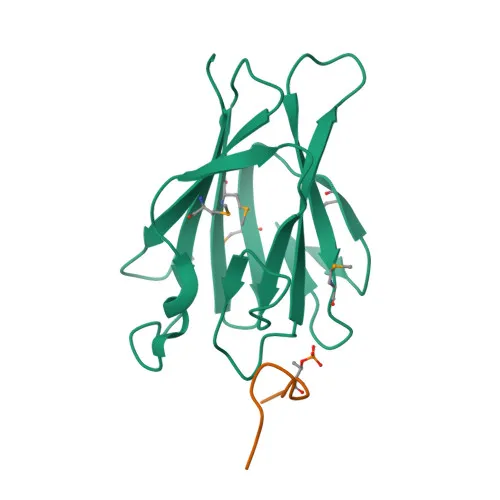
Phosphorylated Antibodies
Phospho-TIFA-T9 Rabbit pAb for WB and ELISA - Q96CG3
Item Number : CM0001897
Price varies based on specs and customizations
- Application
- WB, ELISA
- Cross Reactivity
- Human
- Protein Weight
- 21 kDa

Shipping:
Contact us to get shipping details Enjoy On-time Dispatch Guarantee.
Why Choose Us
Easy ordering process, quality products, and dedicated support for your business success.
Core Product Specifications and Parameters
| Parameter | Value |
|---|---|
| Product Name | Phospho-TIFA-T9 Rabbit pAb |
| Remarks/Alias | T2BP; T6BP; TIFAA; Phospho-TIFA-T9 |
| Species | Human |
| Gene ID (Human) | 92610 |
| Immunogen | A synthetic phosphorylated peptide around T9 of human TIFA (NP_443096.1) |
| Source | Rabbit |
| Category | Phosphorylated Antibodies |
| Application | WB, ELISA |
| Cross Reactivity | Human |
| SWISS | Q96CG3 |
| Protein Weight | 21 kDa |
| Shipping | Ice bag |
Biological Background: TIFA Function and Localization
- TIFA (TRAF-interacting protein with FHA domain-containing protein A) is also known as T2BP, T6BP, TIFAA, PM14, and NF‑kappa‑B‑activating protein 20. It contains a forkhead‑associated (FHA) domain that mediates phosphorylation‑dependent interactions.
- TIFA serves as an adapter molecule that plays a key role in the activation of pro‑inflammatory NF‑kappa‑B signaling following detection of bacterial pathogen‑associated molecular patterns (PAMPs). Related references: PMID:12566447, PMID:15492226, PMID:26068852
- Upon sensing of ADP‑heptose (a bacterial PAMP) by the kinase ALPK1, ALPK1 phosphorylates TIFA at Thr‑9, leading to its homooligomerization. Related references: PMID:30111836
- Phosphorylated and oligomerized TIFA promotes TRAF6 oligomerization and polyubiquitination, which in turn activates TAK1 and IKK, driving NF‑kappa‑B‑mediated transcription of cytokines.
- TIFA is predominantly localized in the cytoplasm, consistent with its role in transmitting signals from cytoplasmic pathogen sensors to downstream kinase cascades.
- Post‑translational modification: phosphorylation at Thr‑9 is the critical event that initiates TIFA’s self‑association and signaling function.
- UniProt keywords: 3D‑structure, Cytoplasm, Immunity, Innate immunity, Phosphoprotein, Reference proteome.
Experimental Guidance and Technical Tips
- The immunogen is a synthetic phosphorylated peptide surrounding Thr‑9 of human TIFA; therefore, the antibody is expected to specifically recognize the Thr‑9‑phosphorylated form. For western blotting, include phosphatase inhibitors during sample preparation and consider using a dephosphorylation control to confirm specificity.
- For ELISA applications, the antibody can be used as a capture or detection reagent; validate pairing with appropriate secondary antibodies and optimize coating conditions for your antigen format.
- A positive control for TIFA phosphorylation can be generated by treating cells with ADP‑heptose or overexpressing ALPK1, which potently induces Thr‑9 phosphorylation.
- Given the low molecular weight of TIFA (21 kDa), use high‑percentage SDS‑PAGE gels (12–15%) for optimal separation and transfer.
CamelBio: Your One‑Stop Sourcing Bridge
CamelBio streamlines IVD raw‑material procurement by offering validated antibody pairs, optimized monoclonal and polyclonal antibodies, bulk ancillary reagents, and specialized sourcing for rare targets like phosphorylated innate immunity adapters. Our integrated supply chain supports the development of diagnostic assays targeting NF‑kappa‑B signaling and host‑pathogen interaction pathways. Contact us to explore how this TIFA phospho‑specific antibody can be seamlessly integrated into your next‑generation diagnostic workflows.
REQUEST A QUOTE
Our professional team will reply to you within one business day. Please feel free to contact us!