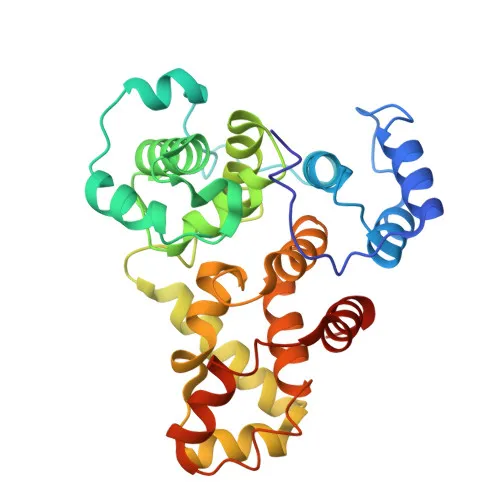
Phosphorylated Antibodies
Phospho-TBC1D4-S588 Rabbit pAb for WB, ELISA - O60343
Item Number : CM0000932
Price varies based on specs and customizations
- Application
- WB, ELISA
- Cross Reactivity
- Human, Mouse, Rat
- Protein Weight
- 147kDa

Shipping:
Contact us to get shipping details Enjoy On-time Dispatch Guarantee.
Why Choose Us
Easy ordering process, quality products, and dedicated support for your business success.
Core Product Specifications and Parameters
| Parameter | Value |
|---|---|
| Product Name | Phospho-TBC1D4-S588 Rabbit pAb |
| Remarks/Alias | AS160; NIDDM5; Phospho-TBC1D4-S588 |
| Species | Human |
| GeneID (Human) | 9882 |
| GeneID | 9882 |
| Immunogen | Synthetic peptide: A synthetic phosphorylated peptide around S588 of human TBC1D4 (NP_055647.2) |
| Source | Rabbit |
| Category | Phosphorylated Antibodies |
| Application | WB, ELISA |
| Cross Reactivity | Human, Mouse, Rat |
| SWISS | O60343 |
| Protein Weight | 147kDa |
| Shipping | Ice bag |
Biological Background: TBC1D4 Function and Localization
- TBC1D4, also known as AS160 (Akt substrate of 160 kDa), is a multidomain protein that functions as a GTPase-activating protein (GAP) for Rab proteins, including RAB2A, RAB8A, RAB10, and RAB14.
- Isoform 2 of TBC1D4 plays a critical role in insulin-stimulated GLUT4 translocation to the plasma membrane, thereby increasing glucose uptake in adipocytes and skeletal muscle cells.
- TBC1D4 is a phosphoprotein with multiple phosphorylation sites; phosphorylation at Ser588 is associated with insulin signaling and regulates its GAP activity and interaction with 14-3-3 proteins.
- The protein is widely expressed, with isoform 1 highly expressed in skeletal muscle and heart, while isoform 2 is abundant in adrenal gland, thyroid, lung, kidney, colon, brain, and adipose tissue.
- In pancreatic islets, TBC1D4 expression is decreased in type 2 diabetes patients, linking it to the pathophysiology of diabetes mellitus.
- Subcellularly, TBC1D4 localizes primarily to the cytoplasm, where it interacts with vesicles and signaling components.
- Additional post-translational modifications include acetylation and methylation, which may further modulate its function.
Experimental Guidance and Technical Tips
- For Western blot (WB), consider using whole-cell lysates from insulin-stimulated versus unstimulated cells to validate phosphorylation-dependent detection; include phosphatase inhibitors during sample preparation.
- Due to the high molecular weight (~147 kDa), use an appropriate gel percentage and transfer conditions to ensure efficient detection; verify the band size with a molecular weight marker.
- In ELISA, the antibody can be utilized for phospho-peptide detection; include non-phosphorylated peptide controls to confirm specificity.
- The antibody cross-reacts with human, mouse, and rat TBC1D4; validate in the relevant species and tissue context, keeping in mind the tissue-specific expression profiles.
- As a polyclonal antibody from rabbit, lot-to-lot consistency may vary; consider re-validation when switching to a new lot.
CamelBio: Your One-Stop Sourcing Bridge
CamelBio streamlines IVD raw material sourcing for diagnostic manufacturers and research laboratories by offering a comprehensive catalog of validated antibodies and ancillary reagents. This Phospho-TBC1D4-S588 Rabbit pAb supports metabolic and diabetic research, and we can source related antibody pairs, bulk monoclonal/polyclonal antibodies, and other rare target reagents to accelerate your assay development. Contact us to discuss custom sourcing of phosphorylated-antibody panels and consistent supply for your clinical biomarker projects.
REQUEST A QUOTE
Our professional team will reply to you within one business day. Please feel free to contact us!