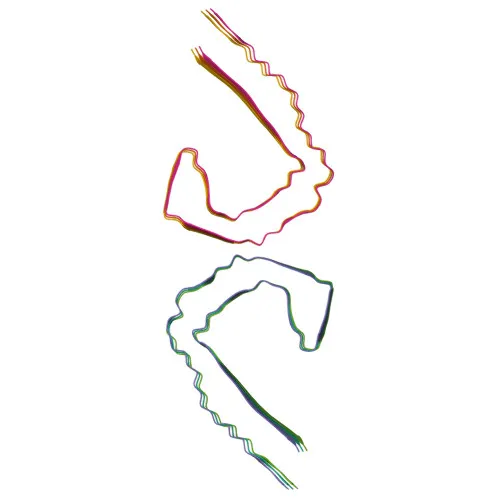
Phosphorylated Antibodies
Phospho-Tau-S404 Rabbit Polyclonal Antibody for WB, IF/ICC, IHC-P, ELISA - P10636
Item Number : CM0000554
Price varies based on specs and customizations
- Application
- WB, IF/ICC, IHC-P, ELISA
- Cross Reactivity
- Human, Mouse, Rat
- Protein Weight
- 79 kDa

Shipping:
Contact us to get shipping details Enjoy On-time Dispatch Guarantee.
Why Choose Us
Easy ordering process, quality products, and dedicated support for your business success.
Core Product Specifications and Parameters
| Parameter | Value |
|---|---|
| Product Name | Phospho-Tau-S404 Rabbit pAb |
| Remarks/Alias | TAU; MSTD; PPND; DDPAC; MAPTL; MTBT1; MTBT2; tau-40; FTDP-17; PPP1R103; Tau-PHF6; Phospho-Tau-S404 |
| Species | Human |
| GeneID (Human) | 4137 |
| GeneID | 4137 |
| Immunogen | A synthetic phosphorylated peptide around S404 of human Tau (NP_005901.2). |
| Source | Rabbit |
| Category | Phosphorylated Antibodies |
| Application | WB, IF/ICC, IHC-P, ELISA |
| Cross Reactivity | Human, Mouse, Rat |
| SWISS | P10636 |
| Protein Weight | 79 kDa |
| Shipping | Ice bag |
Biological Background: Tau (MAPT) Function and Localization
- Microtubule-associated protein tau promotes microtubule assembly and stability, and is implicated in establishing and maintaining neuronal polarity. Related references: PMID:21985311 PMID:32961270
- The C-terminus binds axonal microtubules while the N-terminus interacts with neural plasma membrane components, suggesting a linker function between the cytoskeleton and membrane.
- Multiple isoforms exist via alternative splicing; shorter isoforms allow cytoskeletal plasticity, while longer isoforms may preferentially stabilize microtubules.
- Subcellular localization includes cytoplasm, cytosol, cell membrane, cytoskeleton, axons, and dendrites; tau can also be secreted.
- Expressed in neurons; isoform PNS-tau is specific to the peripheral nervous system, whereas other isoforms are central nervous system-specific.
- Extensive post-translational modifications include phosphorylation (e.g., at S404), acetylation, ubiquitination, and glycation; hyperphosphorylation is a hallmark of Alzheimer disease and other tauopathies.
Experimental Guidance and Technical Tips
- The immunogen is a phosphorylated peptide around Ser404; antibody specificity depends on phosphorylation status. Consider including phosphatase inhibitors in lysis buffers for WB and other assays.
- For WB, the predicted band is around 79 kDa; validate expression in neuronal cell lines or brain tissue lysates.
- For IF/ICC and IHC-P, optimize fixation and antigen retrieval conditions to preserve phosphorylation signals.
- For ELISA, the antibody may be suitable for capturing or detecting phospho-Tau (S404) in biological fluids; validate in the relevant sample system.
CamelBio: Your One-Stop Sourcing Bridge
CamelBio provides diagnostic manufacturers, labs, and research institutes with one-stop access to IVD raw materials, technical services, and consulting—covering every stage from concept to clinic. Our portfolio for neurodegenerative disease targets includes validated antibody pairs, optimized monoclonal/polyclonal antibodies, bulk ancillary reagents, and rare target sourcing. For anti-phospho-Tau S404 antibody inquiries, contact us for reliable supply and custom solutions.
Product Datasheet
Phospho-Tau-S404 Rabbit Polyclonal Antibody for WB, IF/ICC, IHC-P, ELISA - P10636
REQUEST A QUOTE
Our professional team will reply to you within one business day. Please feel free to contact us!