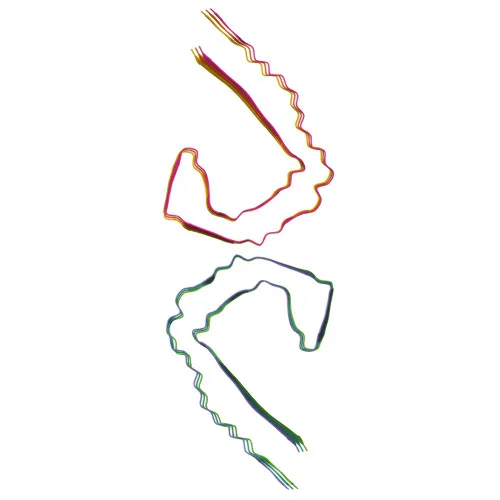
Phosphorylated Antibodies
Phospho-Tau-S262 Rabbit pAb - P10636
Item Number : CM0000530
Price varies based on specs and customizations
- Application
- WB, IF/ICC, IF-P, ELISA
- Cross Reactivity
- Human, Mouse, Rat
- Protein Weight
- 79kDa

Shipping:
Contact us to get shipping details Enjoy On-time Dispatch Guarantee.
Why Choose Us
Easy ordering process, quality products, and dedicated support for your business success.
Core Product Specifications and Parameters
| Parameter | Value |
|---|---|
| Product Name | Phospho-Tau-S262 Rabbit pAb |
| Remarks/Alias | TAU; MSTD; PPND; DDPAC; MAPTL; MTBT1; MTBT2; tau-40; FTDP-17; PPP1R103; Tau-PHF6; Phospho-Tau-S262 |
| Species | Human |
| GeneID (human) | 4137 |
| GeneID | 4137 |
| Immunogen | Synthetic peptide: A synthetic phosphorylated peptide around S262 of Tau (NP_058518.1) |
| Source | Rabbit |
| Category | Phosphorylated Antibodies |
| Application | WB, IF/ICC, IF-P, ELISA |
| Cross Reactivity | Human, Mouse, Rat |
| SWISS | P10636 |
| Protein Weight | 79kDa |
| Shipping | Ice bag |
Biological Background: Tau Function and Localization
- Microtubule-associated protein tau (MAPT) promotes microtubule assembly and stability, and is crucial for neuronal polarity. The C-terminal domain binds microtubules, while the N-terminal domain interacts with the plasma membrane, positioning tau as a linker protein. Related references: PMID:21985311 PMID:32961270
- Alternative splicing of the MAPT gene generates multiple isoforms; short isoforms confer cytoskeletal plasticity, whereas long isoforms stabilize microtubules.
- Tau localizes to the cytoplasm, cytosol, cell membrane, cytoskeleton, axonal and dendritic projections, and can be secreted.
- Expressed predominantly in neurons; the PNS-tau isoform is expressed in the peripheral nervous system, while others are in the central nervous system.
- Undergoes extensive post-translational modifications, including phosphorylation (e.g., at S262), acetylation, methylation, glycation, ubiquitination, and disulfide bond formation.
- Aggregation of hyperphosphorylated tau into neurofibrillary tangles is a hallmark of Alzheimer disease and related tauopathies.
Experimental Guidance and Technical Tips
- For Western blot, use the antibody to detect phosphorylated Tau (S262). A total Tau antibody can be used in parallel to normalize phosphorylation levels.
- In immunofluorescence/immunocytochemistry (IF/ICC) and immunofluorescence on paraffin sections (IF-P), ensure proper fixation and permeabilization to preserve phospho-epitopes.
- For ELISA, the antibody may serve as a capture or detection reagent following appropriate optimization.
- Verify specificity using phosphatase-treated samples or blocking peptides to confirm phospho-dependent binding.
CamelBio: Your One-Stop Sourcing Bridge
CamelBio serves as a one-stop sourcing partner for IVD raw materials, offering a comprehensive portfolio of validated antibodies, recombinant proteins, and ancillary reagents. This phospho-Tau-S262 antibody supports Tau-related neurodegeneration research and assay development. From antibody pairs to bulk reagents and rare-target sourcing, CamelBio streamlines procurement for diagnostic manufacturers and research institutes.
REQUEST A QUOTE
Our professional team will reply to you within one business day. Please feel free to contact us!