Phosphorylated Antibodies
Phospho-SMC1-S957 Rabbit Monoclonal Antibody for WB, IHC-P, ELISA - Q14683
Item Number : CM0001677
Price varies based on specs and customizations
- Application
- WB, IHC-P, ELISA
- Cross Reactivity
- Human, Mouse, Rat
- Protein Weight
- 143kDa

Shipping:
Contact us to get shipping details Enjoy On-time Dispatch Guarantee.
Why Choose Us
Easy ordering process, quality products, and dedicated support for your business success.
Core Product Specifications and Parameters
| Parameter | Value |
|---|---|
| Product Name | Phospho-SMC1-S957 Rabbit mAb |
| Remarks/Alias | SMC1; SMCB; CDLS2; DEE85; SB1.8; EIEE85; SMC1L1; DXS423E; SMC1alpha; Phospho-SMC1-S957 |
| Species | Human |
| GeneID | 8243 |
| Immunogen | A synthetic phosphorylated peptide around S957 of human SMC1 (Q14683) |
| Source | Rabbit |
| Category | Phosphorylated Antibodies |
| Application | WB, IHC-P, ELISA |
| Cross Reactivity | Human, Mouse, Rat |
| SWISS | Q14683 |
| Protein Weight | 143kDa |
| Shipping | Ice bag |
Biological Background: SMC1A Function and Localization
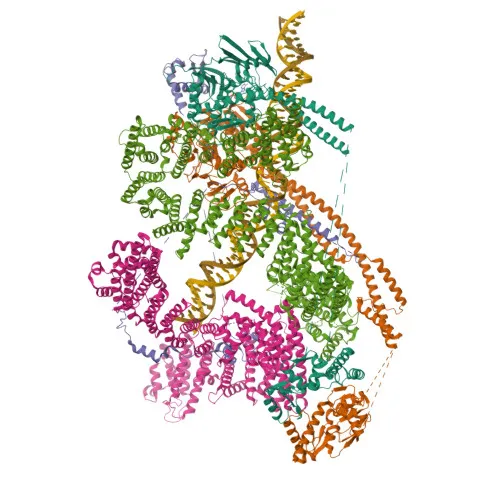
- SMC1A (Structural maintenance of chromosomes protein 1A), also known as SMC1 or Sb1.8, is a key subunit of the cohesin complex, essential for sister chromatid cohesion after DNA replication.
- The cohesin complex forms a ring-like structure that physically entraps sister chromatids, ensuring their proper segregation when the complex is cleaved at anaphase.
- SMC1A functions in DNA repair by interacting with BRCA1 and undergoing phosphorylation by ATM or ATR, serving as an effector in the S-phase checkpoint response.
- It contributes to spindle pole assembly during mitosis, highlighting a role beyond cohesion in mitotic progression.
- The protein localizes to the nucleus, centromere, and kinetochore, consistent with its dynamic cell cycle-dependent functions.
- Key post-translational modifications include phosphorylation at Ser957, acetylation, and ubiquitination, as annotated in the UniProt record (keywords: Phosphoprotein, Acetylation, Ubl conjugation).
- Clinically, SMC1A is associated with disease variants linked to epilepsy and intellectual disability (keywords: Disease variant, Epilepsy, Intellectual disability).
Experimental Guidance and Technical Tips
- The immunogen is a synthetic phosphopeptide corresponding to residues surrounding Ser957 of human SMC1A; the antibody is expected to specifically recognize the phosphorylated form.
- For WB, include phosphatase inhibitors in lysis buffers and consider using alkaline phosphatase treatment as a negative control to confirm phosphorylation specificity.
- In IHC-P, antigen retrieval and phospho-specific detection may require optimization of fixation and blocking conditions to preserve epitope phosphorylation.
- ELISA applications can be employed to quantify phospho-SMC1 levels; consider a paired total SMC1 antibody for normalization.
- Validate reactivity in relevant human, mouse, or rat cell lines treated with DNA damage agents (e.g., etoposide, irradiation) to induce Ser957 phosphorylation via ATM/ATR pathways.
CamelBio: Your One-Stop Sourcing Bridge
CamelBio offers a comprehensive range of IVD raw materials, from validated antibody pairs and optimized monoclonal antibodies to bulk ancillary reagents, supporting your diagnostic development from concept to clinic. For researchers investigating chromosome biology and DNA damage pathways, we provide reliable access to phospho-specific antibodies like anti-phospho-SMC1-S957, along with complementary reagents and rare-target sourcing capabilities. Partner with CamelBio to streamline your supply chain and accelerate assay development.
Product Datasheet
Phospho-SMC1-S957 Rabbit Monoclonal Antibody for WB, IHC-P, ELISA - Q14683
REQUEST A QUOTE
Our professional team will reply to you within one business day. Please feel free to contact us!