Phosphorylated Antibodies
Phospho-Smad2-S465/S467 + Smad3-S423/S425 Rabbit mAb for WB, ELISA - Q15796/P84022
Item Number : CM0001508
Price varies based on specs and customizations
- Application
- WB, ELISA
- Cross Reactivity
- Human, Mouse, Rat
- Protein Weight
- 48kDa/52kDa/25kDa/35kDa/43kDa

Shipping:
Contact us to get shipping details Enjoy On-time Dispatch Guarantee.
Why Choose Us
Easy ordering process, quality products, and dedicated support for your business success.
Core Product Specifications and Parameters
| Parameter | Value |
|---|---|
| Product Name | Phospho-Smad2-S465/S467 + Smad3-S423/S425 Rabbit mAb |
| Remarks/Alias | HSPC193; HsT17436; JV15-2; LDS1C; LDS3; MADH3; Phospho-Smad2-S465/S467 + Smad3-S423/S425 |
| Species | Human |
| Gene ID (Human) | 4087/4088 |
| Gene ID | 4087/4088 |
| Immunogen | Synthetic peptide|A synthetic phosphorylated peptide around S465 & S467 of human SMAD2 (NP_005892.1). |
| Source | Rabbit |
| Category | Phosphorylated Antibodies |
| Application | WB, ELISA |
| Cross Reactivity | Human, Mouse, Rat |
| SWISS | Q15796/P84022 |
| Protein Weight | 48kDa/52kDa/25kDa/35kDa/43kDa |
| Shipping | Ice bag |
Biological Background: SMAD2 Function and Localization
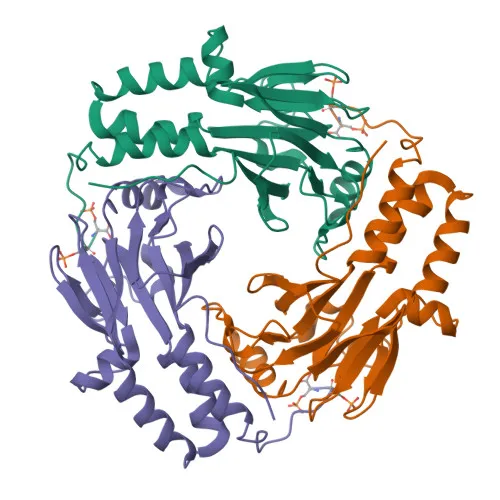
- SMAD2 (Mothers against decapentaplegic homolog 2), also known as MADH2 or MADR2, is a receptor-regulated SMAD (R-SMAD) that serves as an intracellular signal transducer for TGF-beta and activin type 1 receptor kinases.
- Upon ligand binding, SMAD2 is phosphorylated at C-terminal serine residues S465/S467, leading to complex formation with SMAD4 and nuclear translocation, where it binds TRE elements to regulate gene transcription.
- It positively modulates PDPK1 kinase activity by promoting dissociation from the 14-3-3 protein YWHAQ, a key negative regulator.
- SMAD2 may function as a tumor suppressor in colorectal carcinoma. Related references: PMID:8752209
- Subcellularly, SMAD2 localizes to both the cytoplasm and nucleus, with dynamic shuttling controlled by phosphorylation status.
- Tissue expression is prominent in skeletal muscle, endothelial cells, heart, and placenta.
- Post-translational modifications including phosphorylation, acetylation, and ubiquitination fine-tune SMAD2 activity and stability.
- This antibody detects dual phosphorylation at S465/S467 of SMAD2 and the homologous sites S423/S425 of SMAD3, both critical for activation in TGF-beta signal transduction.
Experimental Guidance and Technical Tips
- The rabbit monoclonal antibody was raised against a synthetic phosphopeptide surrounding S465/S467 of human SMAD2, ensuring specificity for the activated phosphorylated state.
- For Western blotting, include phosphatase inhibitors in lysis buffers to preserve target phosphorylation. Expected major bands: ~52 kDa (SMAD2) and ~48 kDa (SMAD3); additional bands at ~25, 35, and 43 kDa may represent cleavage products or isoforms. Verify specificity with phosphatase-treated controls or siRNA knockdown.
- For ELISA, consider normalizing phospho-signal to total SMAD2/3 levels using a pan antibody; optimize experimental conditions empirically.
- Cross-reactivity has been observed with human, mouse, and rat proteins; confirm endogenous phosphorylation levels in your experimental system with appropriate TGF-beta stimulation.
CamelBio: Your One-Stop Sourcing Bridge
CamelBio provides diagnostic manufacturers and research institutes a streamlined path to IVD raw material procurement. This phospho-SMAD2/3 antibody is part of our comprehensive portfolio supporting TGF-beta signaling and oncology research. From validated antibody pairs and optimized monoclonal/polyclonal reagents to bulk ancillary materials and rare target sourcing, CamelBio bridges the gap from concept to clinic.
REQUEST A QUOTE
Our professional team will reply to you within one business day. Please feel free to contact us!