Phosphorylated Antibodies
Phospho-SHP2-Y542 Rabbit pAb - Q06124
Item Number : CM0001522
Price varies based on specs and customizations
- Application
- WB, ELISA
- Cross Reactivity
- Human, Mouse, Rat
- Protein Weight
- 68kDa

Shipping:
Contact us to get shipping details Enjoy On-time Dispatch Guarantee.
Why Choose Us
Easy ordering process, quality products, and dedicated support for your business success.
Core Product Specifications and Parameters
| Parameter | Specification |
|---|---|
| Product Name | Phospho-SHP2-Y542 Rabbit pAb |
| Remarks/Alias | CFC; NS1; JMML; SHP2; BPTP3; PTP2C; METCDS; PTP-1D; SH-PTP2; SH-PTP3; Phospho-SHP2-Y542 |
| Species | Human |
| Gene ID (Human) | 5781 |
| Gene ID | 5781 |
| Immunogen | Synthetic peptide |
| Source | Rabbit |
| Category | Phosphorylated Antibodies |
| Application | WB, ELISA |
| Cross Reactivity | Human, Mouse, Rat |
| SWISS | Q06124 |
| Protein Weight | 68kDa |
| Shipping | Ice bag |
Biological Background: SHP2 Function and Localization
- SHP2 (PTPN11) functions downstream of various receptor and cytoplasmic protein tyrosine kinases, relaying signals from the cell surface to the nucleus and positively regulating the MAPK pathway.
Related references: PMID:10655584, PMID:14739280, PMID:18559669 - It dephosphorylates multiple substrates, including GAB1, ARHGAP35, EGFR, ROCK2, CDC73, and SOX9, thereby modulating diverse cellular processes.
Related references: PMID:28074573, PMID:18559669, PMID:26742426 - In T cells, SHP2 is recruited by phosphorylated PDCD1 to inhibit T-cell receptor (TCR) signaling by dephosphorylating key proximal signaling molecules.
Related references: PMID:32184441 - The protein localizes to both the cytoplasm and nucleus, consistent with its roles in signal transduction and transcriptional regulation.
- Widely expressed, with highest levels observed in heart, brain, and skeletal muscle.
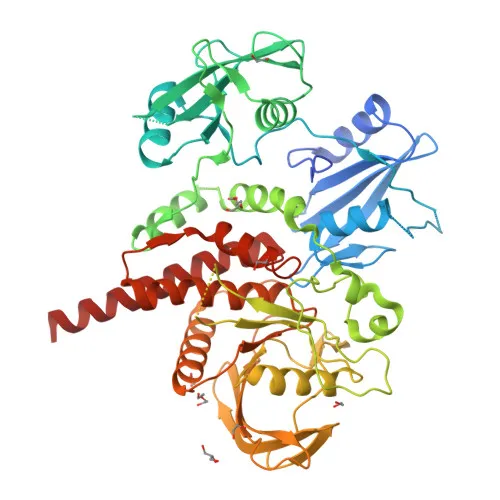
- Contains two N-terminal SH2 domains and a C-terminal tyrosine phosphatase domain; post-translational modifications include acetylation and phosphorylation, which regulate its activity and interactions.
- PTPN11 is annotated with keywords such as disease variant and deafness, indicating its involvement in human pathologies.
Experimental Guidance and Technical Tips
- The antibody was raised against a synthetic phosphopeptide encompassing phosphorylated Y542 of human SHP2; it is designed to specifically recognize the Y542-phosphorylated form.
- For Western blotting, include phosphatase inhibitors in lysis buffers and consider running dephosphorylated controls (e.g., phosphatase-treated lysates) to confirm phospho-specificity.
- Validated applications include WB and ELISA using human, mouse, and rat samples. Cross-reactivity with mouse and rat is expected due to high sequence homology around the Y542 site.
- In ELISA applications, coating with the phosphorylated peptide or using a competitive peptide inhibition assay can help verify specificity.
- Use a compatible anti-rabbit secondary antibody and optimize primary antibody dilutions empirically for your experimental system.
CamelBio: Your One-Stop Sourcing Bridge
CamelBio is your comprehensive partner for IVD raw materials, offering a seamless bridge from research to diagnostic manufacturing. This Phospho-SHP2-Y542 Rabbit pAb exemplifies our commitment to providing high-quality phospho-specific tools for signaling research. Beyond individual antibodies, CamelBio delivers one-stop sourcing solutions—including validated antibody pairs, bulk-optimized monoclonal and polyclonal antibodies, and custom procurement for rare targets—to accelerate your assay development and production timelines.
REQUEST A QUOTE
Our professional team will reply to you within one business day. Please feel free to contact us!