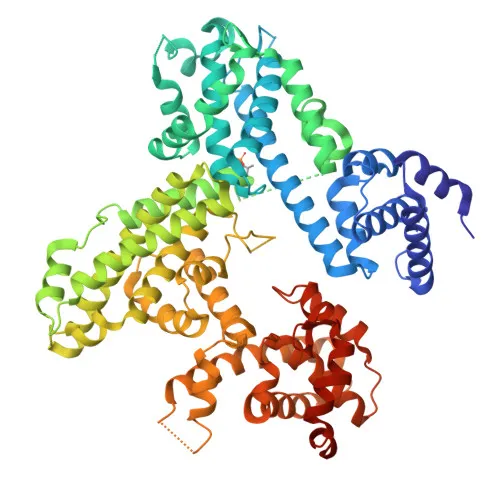
Phosphorylated Antibodies
Phospho-RB-S811 Rabbit pAb for WB, ELISA - P06400
Item Number : CM0000473
Price varies based on specs and customizations
- Application
- WB, ELISA
- Cross Reactivity
- Human
- Protein Weight
- 106kDa

Shipping:
Contact us to get shipping details Enjoy On-time Dispatch Guarantee.
Why Choose Us
Easy ordering process, quality products, and dedicated support for your business success.
Core Product Specifications and Parameters
| Parameter | Value |
|---|---|
| Product Name | Phospho-RB-S811 Rabbit pAb |
| Remarks/Alias | RB; pRb; OSRC; pp110; p105-Rb; PPP1R130; p110-RB1; Phospho-RB-S811 |
| Species | Human |
| GeneID (Human) | 5925 |
| GeneID | 5925 |
| Immunogen | Synthetic peptide: A synthetic phosphorylated peptide around S811 of human RB (NP_000312.2) |
| Source | Rabbit |
| Category | Phosphorylated Antibodies |
| Application | WB, ELISA |
| Cross Reactivity | Human |
| SWISS | P06400 |
| Protein Weight | 106kDa |
| Shipping | Ice bag |
Biological Background: RB Function and Localization
- RB is a tumor suppressor protein that critically regulates the G1/S transition of the cell cycle by controlling E2F-dependent transcription. Related references: PMID:10499802
- In its hypophosphorylated form, RB binds E2F transcription factors, physically blocking their transactivation domain and recruiting chromatin-modifying enzymes to repress gene transcription. Related references: PMID:10499802
- Cyclin/CDK-mediated phosphorylation of RB induces its dissociation from E2Fs, enabling transcription of S-phase genes and cell cycle progression; phosphorylation by CDK3/cyclin-C specifically promotes the G0-G1 transition. Related references: PMID:10499802 PMID:15084261
- RB also contributes to heterochromatin formation by stabilizing histone methylation and recruiting histone methyltransferases such as SUV39H1, thereby maintaining constitutive heterochromatin structure.
- Subcellularly, RB localizes primarily to the nucleus but can also be detected in the cytoplasm.
- Post-translational modifications including phosphorylation, acetylation, and methylation regulate RB’s activity; viral oncoproteins (e.g., SV40 large T antigen, HPV E7) can disrupt RB-E2F complexes, highlighting its role in host-virus interactions.
- Tissue expression includes the retina and foreskin keratinocytes (at protein level). Related references: PMID:20940255
Experimental Guidance and Technical Tips
- For Western blot analysis, include phosphatase inhibitors in lysis buffers to preserve phosphorylation of RB at Ser811.
- Validate antibody specificity by peptide competition assay using the phosphorylated immunogen peptide or by phosphatase treatment of cell lysates.
- Select cell lines or tissue samples with known RB phosphorylation at Ser811 (e.g., cycling cancer cell lines) as positive controls.
- For ELISA applications, titrate the antibody to determine optimal coating and detection conditions, performing standard curve assays with phospho-peptide and non-phospho controls to confirm specificity.
CamelBio: Your One-Stop Sourcing Bridge
CamelBio serves as your integrated one-stop source for IVD raw materials, connecting diagnostic manufacturers with high-quality reagents like this anti-phospho-RB antibody for oncology and cell cycle research. Our portfolio spans validated antibody pairs, optimized monoclonal and polyclonal antibodies, bulk ancillary reagents, and sourcing support for rare-target materials. We are committed to streamlining your development from concept to clinic with reliable supply and technical consultation.
REQUEST A QUOTE
Our professional team will reply to you within one business day. Please feel free to contact us!