Phosphorylated Antibodies
Phospho-PRKCQ-T538 Rabbit Polyclonal Antibody for WB, ELISA - Q04759
Item Number : CM0001688
Price varies based on specs and customizations
- Application
- WB, ELISA
- Cross Reactivity
- Human
- Protein Weight
- 82kDa

Shipping:
Contact us to get shipping details Enjoy On-time Dispatch Guarantee.
Why Choose Us
Easy ordering process, quality products, and dedicated support for your business success.
Core Product Specifications and Parameters
| Core Product Specifications | |
|---|---|
| Product Name | Phospho-PRKCQ-T538 Rabbit pAb |
| Remarks/Alias | PRKCT; nPKC-theta; Phospho-PRKCQ-T538 |
| Species | Human |
| Gene ID (Human) | 5588 |
| Gene ID | 5588 |
| Immunogen | A synthetic phosphorylated peptide around T538 of human PRKCQ (NP_006248.1) |
| Source | Rabbit |
| Category | Phosphorylated Antibodies |
| Application | WB, ELISA |
| Cross Reactivity | Human |
| SWISS | Q04759 |
| Protein Weight | 82kDa |
| Shipping | Ice bag |
Biological Background: PRKCQ Function and Localization
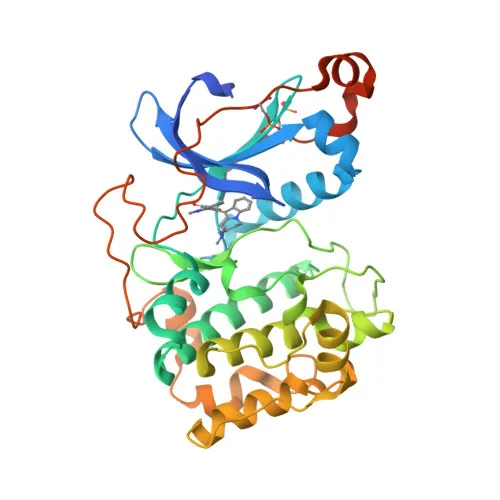
- PRKCQ (Protein kinase C theta type, nPKC-theta) is a calcium-independent, phospholipid- and diacylglycerol-dependent serine/threonine-protein kinase that plays non-redundant roles in T-cell receptor (TCR) signaling.
- In TCR-CD3/CD28-co-stimulated T-cells, it is required for activation of NF-kappa-B and JUN, essential for IL2 production, and participates in NFATC1/NFATC2 transactivation. Related references: PMID:21964608
- It mediates canonical NF-kB pathway activation by phosphorylating CARD11, leading to recruitment of the BCL10-MALT1 complex and IKK activation.
- PRKCQ is critical for T-helper cell differentiation, being necessary for Th2 and Th17 cell development, and plays a minor role in Th1 response; it also provides survival signals by phosphorylating BAD and upregulating BCL-XL.
- Beyond T-cells, in platelets it regulates signal transduction downstream of ITGA2B and other receptors, playing a positive role in outside-in signaling and granule secretion.
- It may mediate inhibitory effects of free fatty acids on insulin signaling by phosphorylating IRS1, thereby blocking PI3K/AKT pathway activation.
- PRKCQ phosphorylates CCDC88A/GIV and inhibits its guanine nucleotide exchange factor activity. Related references: PMID:23509302
- It also activates LRRK1, which phosphorylates RAB proteins involved in intracellular trafficking. Related references: PMID:36040231
- Subcellular localization: Cytoplasm and cell membrane.
- Tissue specificity: Expressed in skeletal muscle, T-cells, megakaryoblastic cells, and platelets.
- KEYWORDS indicate it is a phosphoprotein involved in immunity and inflammatory response, with zinc-finger and kinase domains.
- The protein undergoes alternative splicing and has isopeptide bond and Ubl conjugation modifications.
Experimental Guidance and Technical Tips
- The immunogen design targets phosphorylation at Thr538. To preserve this labile modification, include phosphatase inhibitors in lysis buffers and avoid freeze-thaw cycles of samples.
- For western blotting, use a gentle blocking agent (e.g., 5% BSA) to reduce nonspecific binding; confirm antibody specificity by treating samples with lambda phosphatase before electrophoresis.
- Validation in a relevant cellular context is recommended: in human T-cell lines (e.g., Jurkat) stimulated via anti-CD3/CD28, a band at ~82 kDa should be observed, indicating PRKCQ phosphorylation.
- For ELISA-based detection, a phosphopeptide covering the T538 site can serve as a positive control; cross-reactivity with the unphosphorylated peptide should be evaluated.
CamelBio: Your One-Stop Sourcing Bridge
CamelBio serves as a comprehensive sourcing bridge for IVD manufacturers, offering validated antibody pairs, optimized monoclonal/polyclonal antibodies, and bulk ancillary reagents. This phospho-PRKCQ-T538 polyclonal antibody is part of our portfolio supporting immunological research, particularly in T-cell activation and inflammatory disease biomarker development. We also assist in sourcing rare-target raw materials to accelerate your assay development programs.
REQUEST A QUOTE
Our professional team will reply to you within one business day. Please feel free to contact us!