Phosphorylated Antibodies
Phospho-PLC beta 3 (PLCB3)-S1105 Rabbit Polyclonal Antibody for WB and ELISA - Q01970
Item Number : CM0001868
Price varies based on specs and customizations
- Application
- WB, ELISA
- Cross Reactivity
- Human, Mouse, Rat
- Protein Weight
- 139kDa

Shipping:
Contact us to get shipping details Enjoy On-time Dispatch Guarantee.
Why Choose Us
Easy ordering process, quality products, and dedicated support for your business success.
Core Product Specifications and Parameters
| Parameter | Value |
|---|---|
| Product Name | Phospho-PLC beta 3 (PLCB3)-S1105 Rabbit pAb |
| Remarks/Alias | SMDCD; Phospho-PLC beta 3 (PLCB3)-S1105 |
| Species | Human |
| Gene ID (Human) | 5331 |
| Gene ID | 5331 |
| Immunogen | Synthetic Peptide |
| Source | Rabbit |
| Category | Phosphorylated Antibodies |
| Application | WB, ELISA |
| Cross Reactivity | Human, Mouse, Rat |
| SWISS | Q01970 |
| Protein Weight | 139kDa |
| Shipping | Ice bag |
Biological Background: PLC beta 3 (PLCB3) Function and Localization
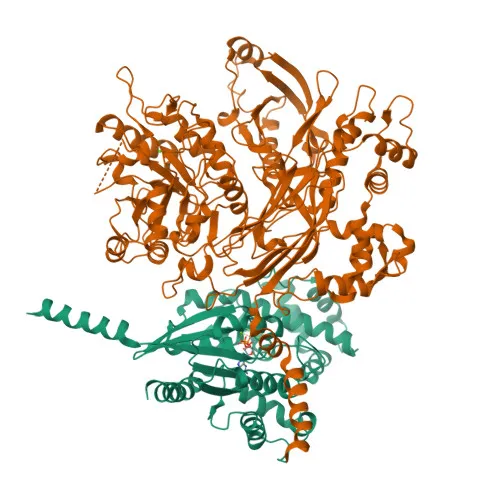
- PLCB3 encodes phospholipase C beta 3, a key enzyme that hydrolyzes phosphatidylinositol 4,5-bisphosphate to generate second messengers diacylglycerol (DAG) and inositol 1,4,5-trisphosphate (IP3) (PubMed:20966218, PubMed:29122926, PubMed:37172014). Related references: PMID:20966218, PMID:29122926, PMID:37172014
- It functions as a crucial transducer of G protein-coupled receptor (GPCR) signaling, being directly activated by G(q)/G(11) alpha subunits (PubMed:20966218, PubMed:37991948). Related references: PMID:20966218, PMID:37991948
- In neutrophils, PLCB3 participates in a phospholipase C-activating signaling pathway triggered by N-formyl peptides via GPCRs, leading to RASGRP4 activation by DAG and promoting neutrophil functional responses (By similarity).
- PLCB3, in conjunction with OSBPL2, may regulate keratinocyte proliferation and differentiation, probably through modulation of the ERK pathway and cell cycle (PubMed:38701954). Related references: PMID:38701954
- The protein localizes to the cytoplasm, membrane, and nucleus, reflecting its multifaceted roles in signal transduction.
- Post-translational modifications include phosphorylation and acetylation, and the gene undergoes alternative splicing, producing multiple isoforms.
- Belongs to the phospholipase C family with conserved catalytic domains; the full-length protein has a molecular weight of approximately 139 kDa.
Experimental Guidance and Technical Tips
- The immunogen is a synthetic phosphopeptide corresponding to Ser1105; confirm phospho-specificity by comparing signals with non-phosphorylated peptide or phosphatase-treated lysates.
- For Western blot (WB), the predicted molecular weight is ~139 kDa; use appropriate loading controls and consider stripping protocols if probing total PLCB3.
- Validate in relevant species (human, mouse, rat) as indicated; recommend primary cells or tissues with known PLCB3 expression, such as neutrophils or keratinocytes.
- For ELISA, optimize coating and detection conditions; the antibody can be used to quantify phospho-PLCB3 (S1105) levels in cell or tissue extracts.
CamelBio: Your One-Stop Sourcing Bridge
CamelBio is your comprehensive partner for IVD raw-material sourcing, offering validated antibody pairs, optimized monoclonal and polyclonal antibodies, bulk ancillary reagents, and custom rare-target procurement. This anti-phospho-PLCB3 (S1105) antibody supports research in GPCR signaling and lipid metabolism, critical areas for diagnostic development. From concept to clinic, CamelBio streamlines your supply chain to accelerate assay development.
REQUEST A QUOTE
Our professional team will reply to you within one business day. Please feel free to contact us!