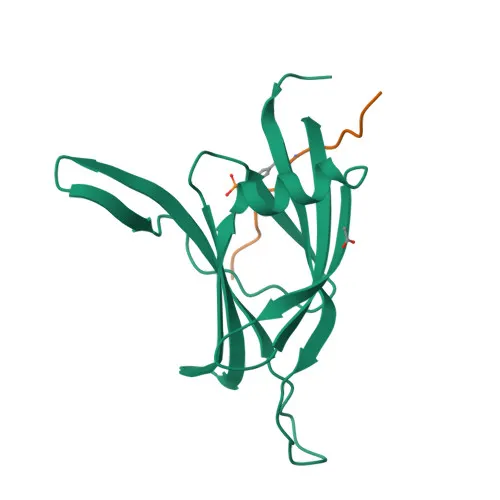
Phosphorylated Antibodies
Phospho-PKCδ/θ-S643/676 Rabbit pAb - Q05655/Q04759
Item Number : CM0001496
Price varies based on specs and customizations
- Application
- WB, ELISA
- Cross Reactivity
- Human, Mouse
- Protein Weight
- 77kDa/80kDa/67kDa/74kDa/81kDa

Shipping:
Contact us to get shipping details Enjoy On-time Dispatch Guarantee.
Why Choose Us
Easy ordering process, quality products, and dedicated support for your business success.
Core Product Specifications and Parameters
| Parameter | Value |
|---|---|
| Product Name | Phospho-PKCδ/θ-S643/676 Rabbit pAb |
| Remarks/Alias | PRKCD/PRKCQ; Phospho-PKCδ/θ-S643/676 |
| Species | Human |
| GeneID (Human) | 5580/5588 |
| GeneID | 5580/5588 |
| Immunogen | Synthetic peptide|A synthetic phosphorylated peptide around S643 of human PKCδ/θPRKCD (NP_001341605.1). |
| Source | Rabbit |
| Category | Phosphorylated Antibodies |
| Application | WB, ELISA |
| Cross Reactivity | Human, Mouse |
| SWISS | Q05655/Q04759 |
| Protein Weight | 77kDa/80kDa/67kDa/74kDa/81kDa |
| Shipping | Ice bag |
Biological Background: Protein kinase C delta type Function and Localization
- Protein kinase C delta (PKCδ), encoded by the PRKCD gene, is a calcium-independent, phospholipid- and diacylglycerol (DAG)-dependent serine/threonine-protein kinase belonging to the novel PKC subfamily. It is also known as nPKC-delta and has tyrosine-protein kinase activity.
- PKCδ plays dual roles in apoptosis: it acts as a pro-apoptotic protein during DNA damage-induced apoptosis and as an anti-apoptotic protein during cytokine receptor-initiated cell death. Related references: PMID:21406692, PMID:21810427
- It functions as a regulator of B cell proliferation and is critical for self-antigen-induced B cell tolerance induction.
- In response to oxidative stress, PKCδ phosphorylates and activates CHUK/IKKA in the nucleus, leading to phosphorylation of p53/TP53 and downstream apoptotic signaling. Related references: PMID:21406692, PMID:21810427
- PKCδ exhibits contrasting roles in cancer: it can act as a tumor suppressor upon mitogenic stimulation, yet it is highly expressed in many cancers, promoting cell survival and chemoresistance through pathways including NF-kappa-B, AKT1, and MAPK1/3. Related references: PMID:15774464
- It is required for NADPH oxidase activity and superoxide anion production in neutrophils and eosinophils, involving phosphorylation of NCF1 (p47-phox). Related references: PMID:19801500, PMID:11748588
- Subcellular localization includes cytoplasm, perinuclear region, nucleus, cell membrane, mitochondria, and endomembrane system, reflecting its dynamic signaling roles.
- PKCδ contains characteristic phorbol ester/DAG-type zinc finger domains and is subject to alternative splicing, phosphorylation, and other post-translational modifications that regulate its function and subcellular distribution.
Experimental Guidance and Technical Tips
- Because this antibody is raised against a synthetic phosphopeptide corresponding to Ser643 of human PKCδ (which shares homology with Ser676 of PKCθ), it is expected to specifically recognize the phosphorylated forms of both kinases. Confirm cross-reactivity with the relevant target in your model system.
- For Western blot, the predicted molecular weights include 77 kDa and other isoforms (67, 74, 80, 81 kDa) due to alternative splicing and post-translational modifications. Include phosphatase-treated lysates as a negative control to verify phospho-specificity.
- PKCδ activation and phosphorylation at Ser643 can be stimulated by phorbol esters (e.g., PMA), oxidative stress (e.g., H2O2), or DNA-damaging agents. Consider appropriate stimulation conditions when preparing cell or tissue lysates.
- For ELISA, the antibody can be used for detection of phospho-PKCδ/θ in cell lysates or purified proteins. Optimize coating and detection conditions according to standard procedures.
CamelBio: Your One-Stop Sourcing Bridge
CamelBio is your one-stop sourcing partner for IVD raw materials, supporting diagnostic manufacturers, research institutes, and laboratories from concept to clinic. For researchers investigating PKCδ/θ in apoptosis, cancer, or immune signaling, we offer validated phospho-specific antibodies and ancillary reagents to streamline your assay development. Whether you need bulk quantities of this antibody, matched antigen, or custom sourcing of rare targets, CamelBio delivers reliable supply solutions with technical consultation to help bridge the gap between research and clinical application.
REQUEST A QUOTE
Our professional team will reply to you within one business day. Please feel free to contact us!