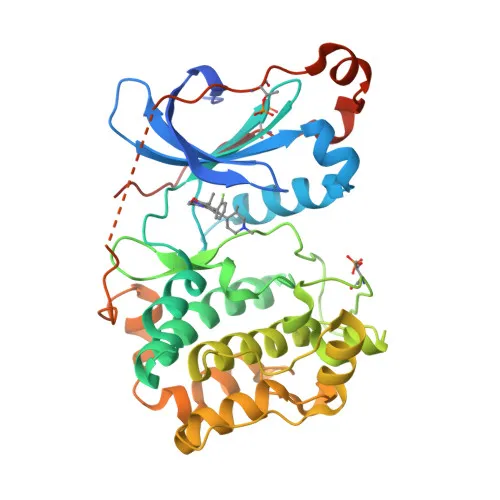
Phosphorylated Antibodies
Phospho-PKC alpha-T638 Rabbit mAb - P17252
Item Number : CM0000945
Price varies based on specs and customizations
- Application
- WB, ELISA
- Cross Reactivity
- Mouse
- Protein Weight
- 77kDa

Shipping:
Contact us to get shipping details Enjoy On-time Dispatch Guarantee.
Why Choose Us
Easy ordering process, quality products, and dedicated support for your business success.
Core Product Specifications and Parameters
| Parameter | Value |
|---|---|
| Product Name | Phospho-PKC alpha-T638 Rabbit mAb |
| Remarks/Alias | AAG6; PKCA; PRKACA; PKCI+/-; PKCalpha; PKC-alpha; Phospho-PKC alpha-T638 |
| Species | Human |
| GeneID (Human) | 5578 |
| GeneID | 5578 |
| Immunogen | Synthetic Peptide|A synthetic phosphorylated peptide around T638 of human PKC alpha (P17252). |
| Source | Rabbit |
| Category | Phosphorylated Antibodies |
| Application | WB, ELISA |
| Cross Reactivity | Mouse |
| SWISS | P17252 |
| Protein Weight | 77kDa |
| Shipping | Ice bag |
Biological Background: PKC alpha Function and Localization
- Protein kinase C alpha type is a calcium-activated, phospholipid- and diacylglycerol (DAG)-dependent serine/threonine-protein kinase that regulates diverse cellular processes including proliferation, apoptosis, differentiation, migration, adhesion, tumorigenesis, cardiac hypertrophy, angiogenesis, platelet function and inflammation.
- It phosphorylates substrates such as RAF1 (MAPK pathway), BCL2 (anti-apoptotic), and cardiac troponin T (TNNT2) to modulate myocardial contractility.
- Upon chemokine-induced CD4(+) T cell migration, it phosphorylates DOCK8, leading to CDC42 activation and T cell migration. Related references: PMID:28028151
- In response to angiotensin II signaling, it phosphorylates KLHL3, decreasing the interaction between KLHL3 and WNK4 and contributing to ion homeostasis regulation. Related references: PMID:25313067
- It phosphorylates and activates LRRK1, which subsequently phosphorylates RAB proteins involved in intracellular trafficking. Related references: PMID:36040231
- Subcellular localization includes cytoplasm, cell membrane, mitochondrial membrane, and nucleus.
- PKC alpha is highly expressed in a number of cancer cells where it can act as a tumor promoter and is implicated in malignant phenotypes of several tumors such as gliomas and breast cancers.
- Belongs to the protein kinase family, contains C2 domain and phorbol ester/DAG-type zinc fingers, and is classified as a proto-oncogene.
Experimental Guidance and Technical Tips
- The immunogen is a synthetic phosphorylated peptide around T638, ensuring specificity for the phosphorylated form. Use appropriate positive and negative controls (e.g., phosphatase-treated samples) to confirm phospho-specificity.
- For Western blotting, consider using low-fluorescence PVDF membranes and blocking with BSA to minimize background, as phosphorylation-specific antibodies can be sensitive to milk-based blockers.
- Validate the antibody in your sample system by comparing signals from stimulated vs. unstimulated cells known to activate PKC alpha.
- Although recommended for WB and ELISA, users may find it suitable for other applications with proper optimization.
CamelBio: Your One-Stop Sourcing Bridge
CamelBio streamlines IVD raw-material procurement for diagnostics developers, offering a comprehensive portfolio that includes this phospho-specific PKC alpha antibody alongside validated antibody pairs, optimized monoclonal/polyclonal antibodies, and bulk ancillary reagents. With expertise in rare target sourcing and robust supply chain management, CamelBio supports your signaling pathway research from concept to clinic. Let CamelBio be your single point of access for all IVD raw-material needs.
REQUEST A QUOTE
Our professional team will reply to you within one business day. Please feel free to contact us!