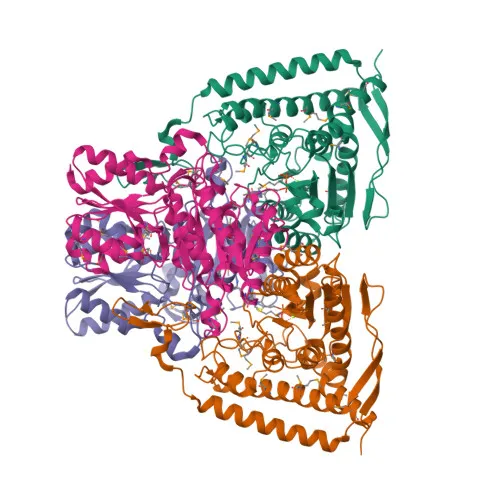
Phosphorylated Antibodies
Phospho-PDHA1-S293 Rabbit mAb - P08559
Item Number : CM0000421
Price varies based on specs and customizations
- Application
- WB, IP, ELISA
- Cross Reactivity
- Human, Mouse, Rat
- Protein Weight
- 43 kDa

Shipping:
Contact us to get shipping details Enjoy On-time Dispatch Guarantee.
Why Choose Us
Easy ordering process, quality products, and dedicated support for your business success.
Core Product Specifications and Parameters
| Parameter | Value |
|---|---|
| Product Name | Phospho-PDHA1-S293 Rabbit mAb |
| Remarks/Alias | PDHA; PDHAD; PHE1A; E1alpha; PDHCE1A; Phospho-PDHA1-S293 |
| Species | Human |
| Gene ID (Human) | 5160 |
| Gene ID | 5160 |
| Immunogen | Synthetic Peptide |
| Source | Rabbit |
| Category | Phosphorylated Antibodies |
| Application | WB, IP, ELISA |
| Cross Reactivity | Human, Mouse, Rat |
| SWISS | P08559 |
| Protein Weight | 43 kDa |
| Shipping | Ice bag |
Biological Background: PDHA1 Function and Localization
- PDHA1 (Pyruvate dehydrogenase E1 component subunit alpha, somatic form, mitochondrial), also known as PDHE1-A type I, is encoded by the PDHA1 gene in humans. It is a crucial metabolic enzyme that, together with PDHB, constitutes the heterotetrameric E1 subunit of the pyruvate dehydrogenase (PDH) complex.
- The PDH complex catalyzes the overall conversion of pyruvate to acetyl-CoA and CO2, linking cytoplasmic glycolysis to the mitochondrial tricarboxylic acid (TCA) cycle. Related references: PMID:19081061 PMID:7782287
- Specifically, the E1 subunit catalyzes thiamine pyrophosphate (TPP)-dependent decarboxylation of pyruvate and the reductive acetylation of lipoyl groups covalently attached to the E2 component. Related references: PMID:17474719 PMID:19081061 PMID:7782287
- PDHA1 belongs to the pyruvate dehydrogenase complex gene family; mutations in this gene are associated with primary mitochondrial disease and Leigh syndrome.
- Subcellularly, PDHA1 localizes to the mitochondrion matrix, consistent with its role in pyruvate metabolism.
- Post-translational modifications include phosphorylation (e.g., at Ser293) and acetylation, which modulate enzyme activity. Keywords: Acetylation, Phosphoprotein, Thiamine pyrophosphate, Magnesium, Metal-binding.
- The protein is ubiquitously expressed across tissues.
Experimental Guidance and Technical Tips
- The immunogen is a synthetic phosphorylated peptide corresponding to residues surrounding Ser293 of human PDHA1, targeting a phosphorylation-specific epitope. This makes the antibody suitable for detecting endogenously phosphorylated PDHA1 under appropriate stimulation conditions.
- For Western blotting, PDHA1 has a predicted molecular weight of 43 kDa; consider optimizing blocking and primary antibody dilution using lysates from human, mouse, or rat cells/tissues.
- For immunoprecipitation, the rabbit monoclonal format may offer high specificity; validate capture efficiency with phospho-positive and -negative controls.
- ELISA applications are validated; optimize coating antigen and detection conditions for quantitative phospho-analysis.
- Reported cross-reactivity includes mouse and rat; verify sequence homology around the phosphorylation site if extending to other species.
CamelBio: Your One-Stop Sourcing Bridge
CamelBio supports diagnostic manufacturers, laboratories, and research institutes with comprehensive access to high-quality IVD raw materials, including validated phospho-specific antibodies like this PDHA1-S293 rabbit mAb for mitochondrial metabolism research. Our supply capabilities encompass antibody pairs, bulk ancillary reagents, and rare-target sourcing to accelerate your assay development from concept to clinic.
REQUEST A QUOTE
Our professional team will reply to you within one business day. Please feel free to contact us!