Phosphorylated Antibodies
Phospho-MET-Y1349 Rabbit Polyclonal Antibody for WB, ELISA - P08581
Item Number : CM0000548
Price varies based on specs and customizations
- Application
- WB, ELISA
- Cross Reactivity
- Human, Rat
- Protein Weight
- 156kDa

Shipping:
Contact us to get shipping details Enjoy On-time Dispatch Guarantee.
Why Choose Us
Easy ordering process, quality products, and dedicated support for your business success.
Core Product Specifications and Parameters
| Parameter | Value |
|---|---|
| Product Name | Phospho-MET-Y1349 Rabbit pAb |
| Remarks/Alias | DA11; HGFR; AUTS9; RCCP2; c-Met; DFNB97; Phospho-MET-Y1349 |
| Species | Human |
| GeneID (Human) | 4233 |
| GeneID | 4233 |
| Immunogen | Synthetic peptide | A synthetic phosphorylated peptide around Y1349 of human MET (NP_000236.2) |
| Source | Rabbit |
| Category | Phosphorylated Antibodies |
| Application | WB, ELISA |
| Cross Reactivity | Human, Rat |
| SWISS | P08581 |
| Protein Weight | 156kDa |
| Shipping | Ice bag |
Biological Background: MET Function and Localization
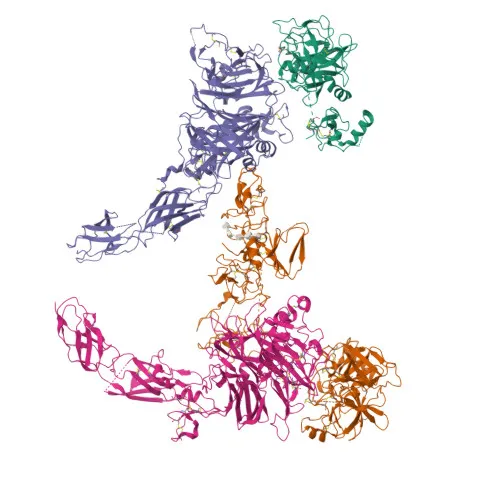
- MET, also known as Hepatocyte growth factor receptor (HGFR) or c-Met, is a receptor tyrosine kinase produced from the MET gene, with alternative splicing generating multiple isoforms.
- As a receptor for hepatocyte growth factor (HGF), MET transduces signals regulating proliferation, scattering, morphogenesis, and survival, and upon ligand binding, it autophosphorylates at tyrosine residues including Y1349 to recruit downstream effectors.
- Phosphorylated MET activates key signaling pathways such as RAS-ERK (morphogenesis), PI3K/AKT (survival), and PLCγ-PKC, and interacts with adaptors like GRB2 and GAB1.
- MET is located at the cell membrane and also exists as a secreted form; it is widely expressed in epithelial cells, hepatocytes, and tissues including liver, kidney, thyroid, and brain, with protein detection in bone. Related references: PMID:26637977
- Beyond normal roles in development and tissue repair, MET also functions as a receptor for Listeria monocytogenes internalin InlB, facilitating bacterial entry.
- Key post-translational modifications include phosphorylation (the basis of this antibody's specificity) and ubiquitination (Ubl conjugation as noted in keywords).
Experimental Guidance and Technical Tips
- The immunogen is a synthetic phosphorylated peptide around Y1349 of human MET, which may confer high specificity for the phosphorylated form; validate specificity by including non-phosphorylated peptide or phosphatase-treated samples in WB.
- For Western blot, expect a band around 156 kDa; optimize antibody dilution and exposure times, and include appropriate positive and negative controls to confirm phospho-specificity.
- In ELISA, consider using a phospho-peptide as coating antigen; verify cross-reactivity with rat MET using cell lysates or recombinant proteins.
- Given the antibody's cross-reactivity with rat, it may be suitable for studies in rat models; however, each application should be validated in the relevant sample system.
CamelBio: Your One-Stop Sourcing Bridge
CamelBio empowers diagnostic and research communities with end-to-end raw-material solutions, including this anti-phospho-MET antibody for probing MET signaling in oncology and developmental biology. Our portfolio covers validated antibody pairs, optimized monoclonal and polyclonal antibodies, bulk ancillary reagents, and rare target sourcing to streamline your assay development and production workflows. Partner with CamelBio to bridge the gap from concept to clinic with reliable, one-stop supply capabilities.
REQUEST A QUOTE
Our professional team will reply to you within one business day. Please feel free to contact us!