Phosphorylated Antibodies
Phospho-MEK1-T292 Rabbit Monoclonal Antibody for WB, ELISA - Q02750
Item Number : CM0001568
Price varies based on specs and customizations
- Application
- WB, ELISA
- Cross Reactivity
- Human, Mouse, Rat
- Protein Weight
- 43 kDa

Shipping:
Contact us to get shipping details Enjoy On-time Dispatch Guarantee.
Why Choose Us
Easy ordering process, quality products, and dedicated support for your business success.
Core Product Specifications and Parameters
| Parameter | Value |
|---|---|
| Product Name | Phospho-MEK1-T292 Rabbit mAb |
| Remarks/Alias | MEL; CFC3; MEK1; MKK1; MAPKK1; PRKMK1; Phospho-MEK1-T292 |
| Species | Human |
| GeneID (Human) | 5604 |
| GeneID | 5604 |
| Immunogen | Synthetic Peptide: A synthetic phosphorylated peptide around T292 of human Phospho-MEK1-T292 (Q02750) |
| Source | Rabbit |
| Category | Phosphorylated Antibodies |
| Application | WB, ELISA |
| Cross Reactivity | Human, Mouse, Rat |
| SWISS | Q02750 |
| Protein Weight | 43 kDa |
| Shipping | Ice bag |
Biological Background: MEK1 Function and Localization
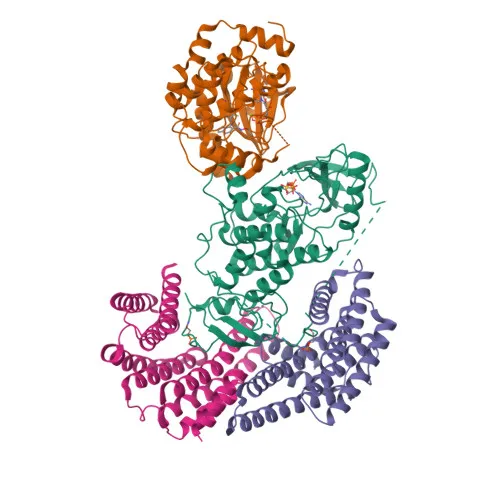
- MEK1 (MAP2K1) is a dual-specificity protein kinase essential for the MAPK/ERK signaling pathway, catalyzing the phosphorylation of threonine and tyrosine residues in ERK1/2 (MAPK3/1) to propagate downstream signals.
- It operates downstream of RAS and RAF1, transducing signals from growth factors, cytokines, and hormones to control cell growth, adhesion, survival, and differentiation.
- MEK1 also promotes BRAF activation by associating with KSR1 or KSR2 scaffold proteins, a mechanism that relieves autoinhibition and enhances dimerization. Related references: PMID:29433126
- The protein localizes to multiple subcellular sites, including the cytoplasm, centrosome, spindle pole, nucleus, and membrane, facilitating its participation in diverse signaling contexts and mitosis.
- MEK1 is broadly expressed with very low abundance in the brain, consistent with its ubiquitous role in regulating fundamental cellular processes.
- Post-translational modifications such as phosphorylation (e.g., at Thr292) and acetylation fine-tune MEK1 activity, and mutations are associated with cardiomyopathy, ectodermal dysplasia, and intellectual disability.
Experimental Guidance and Technical Tips
- The immunogen is a synthetic phosphopeptide corresponding to residues surrounding Thr292 of human MEK1 (UniProt Q02750). For Western blot, consider including phosphatase inhibitors in cell lysis buffers to maintain phosphorylation-dependent signals.
- In ELISA, antigen coating with the phosphorylated peptide may require optimization of coating buffer and blocking conditions to ensure phospho-specificity.
- Given the high conservation of MEK1 across human, mouse, and rat, this antibody is expected to detect the phosphorylated form in all three species; however, cross-reactivity should be confirmed experimentally in the relevant species and tissue/cell types.
- For WB, the predicted molecular weight is approximately 43 kDa. Validate the band size using appropriate phospho-site controls (e.g., lambda phosphatase treatment) to confirm specificity.
- As a phospho-specific antibody, lot-to-lot consistency is critical for quantitative applications like ELISA. We recommend titration and parallel testing with non-phospho peptide controls to minimize variability.
CamelBio: Your One-Stop Sourcing Bridge
As a trusted one-stop supplier, CamelBio connects diagnostic manufacturers and laboratories with premium IVD raw materials, technical services, and end-to-end support. For targets like phospho-MEK1 (Thr292) in the MAPK pathway, we offer validated antibody reagents, bulk capacities, and custom sourcing to meet your development and production needs.
REQUEST A QUOTE
Our professional team will reply to you within one business day. Please feel free to contact us!