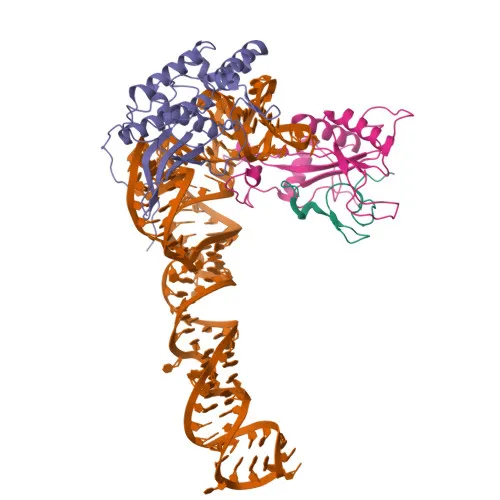
Phosphorylated Antibodies
Phospho-MDM2-S166 Rabbit mAb for IHC-P and ELISA - Q00987
Item Number : CM0001665
Price varies based on specs and customizations
- Application
- IHC-P, ELISA
- Cross Reactivity
- Human, Mouse, Rat
- Protein Weight
- 55kDa

Shipping:
Contact us to get shipping details Enjoy On-time Dispatch Guarantee.
Why Choose Us
Easy ordering process, quality products, and dedicated support for your business success.
Core Product Specifications and Parameters
| Parameter | Value |
|---|---|
| Product Name | Phospho-MDM2-S166 Rabbit mAb |
| Remarks/Alias | HDMX; LSKB; hdm2; ACTFS; Phospho-MDM2-S166 |
| Species | Human |
| Gene ID (Human) | 4193 |
| Gene ID | 4193 |
| Immunogen | Synthetic peptide: A phospho synthetic peptide corresponding to residues surrounding S166 of Human MDM2. |
| Source | Rabbit |
| Category | Phosphorylated Antibodies |
| Application | IHC-P, ELISA |
| Cross Reactivity | Human, Mouse, Rat |
| SWISS | Q00987 |
| Protein Weight | 55kDa |
| Shipping | Ice bag |
Biological Background: MDM2 Function and Localization
- MDM2 is an E3 ubiquitin-protein ligase that mediates ubiquitination of p53/TP53, leading to its proteasomal degradation and inhibition of p53- and p73/TP73-mediated cell cycle arrest and apoptosis.
Related references:
PMID:29681526 - It also ubiquitinates and promotes the degradation of other tumor suppressors and signaling proteins, including RB1, DAXX, IGF1R, and SNAI1.
Related references:
PMID:12821780
PMID:15053880
PMID:15195100 - MDM2 negatively regulates mitochondrial respiration by binding NDUFS1, causing its cytosolic retention, reduced complex I activity, oxidative stress, and apoptosis.
Related references:
PMID:30879903 - Predominantly localized to the nucleus (nucleoplasm and nucleolus) with additional cytoplasmic distribution.
- Ubiquitously expressed in normal tissues; cancer-specific isoforms (Mdm2-A through Mdm2-G) are detected in a range of malignancies.
- Phosphorylation at serine 166 and other residues regulates MDM2 activity and protein-protein interactions.
- Contains a RING-type zinc finger domain and belongs to the ubiquitin-conjugating enzyme family, requiring zinc for its E3 ligase function.
Experimental Guidance and Technical Tips
- The antibody was raised against a phospho-synthetic peptide surrounding S166; it specifically recognizes the phosphorylated form of MDM2. Validate the phosphorylated status with phosphatase treatment controls.
- For IHC-P, consider antigen retrieval (e.g., citrate buffer) and validate staining intensity in tissue samples known to harbor elevated phospho-MDM2 levels (e.g., certain tumors).
- For ELISA, optimize coating conditions and antibody dilution by checkerboard titration, and include both phosphorylated and non-phosphorylated peptide controls to confirm specificity.
- Cross-reactivity with mouse and rat has been reported; verify signal in the relevant species’ samples using appropriate positive and negative controls.
CamelBio: Your One-Stop Sourcing Bridge
CamelBio offers diagnostic manufacturers and researchers a streamlined path to premium IVD raw materials, including the Phospho-MDM2-S166 Rabbit mAb for apoptosis and cancer research. Our platform provides one-stop access to validated antibody pairs, bulk ancillary reagents, and rare-target sourcing, supporting your journey from concept to clinic with reliable supply and technical expertise.
REQUEST A QUOTE
Our professional team will reply to you within one business day. Please feel free to contact us!