Phosphorylated Antibodies
Phospho-Lck-Y505 Rabbit Polyclonal Antibody for WB, IP, ELISA - P06239
Item Number : CM0000804
Price varies based on specs and customizations
- Application
- WB, IP, ELISA
- Cross Reactivity
- Human
- Protein Weight
- 58kDa

Shipping:
Contact us to get shipping details Enjoy On-time Dispatch Guarantee.
Why Choose Us
Easy ordering process, quality products, and dedicated support for your business success.
Core Product Specifications and Parameters
| Parameter | Value |
|---|---|
| Product Name | Phospho-Lck-Y505 Rabbit pAb |
| Remarks/Alias | LSK; YT16; IMD22; p56lck; pp58lck; Phospho-Lck-Y505 |
| Species | Human |
| GeneID (Human) | 3932 |
| GeneID | 3932 |
| Immunogen | Synthetic peptide|A synthetic phosphorylated peptide around Y505 of human Lck (NP_001036236.1). |
| Source | Rabbit |
| Category | Phosphorylated Antibodies |
| Application | WB, IP, ELISA |
| Cross Reactivity | Human |
| SWISS | P06239 |
| Protein Weight | 58kDa |
| Shipping | Ice bag |
Biological Background: Lck Function and Localization
- Tyrosine-protein kinase Lck (p56-LCK) is a non-receptor tyrosine kinase of the Src family, essential for the selection and maturation of developing T-cells in the thymus and for mature T-cell function. Related references: PMID:2470098
- Lck plays a key role in T-cell antigen receptor (TCR)-linked signal transduction. It is constitutively associated with the cytoplasmic tails of CD4 and CD8 coreceptors, and upon TCR engagement, phosphorylates ITAM motifs in the TCR-CD3 complex, initiating signaling. Related references: PMID:2470098
- Once activated, Lck phosphorylates and activates the downstream kinase ZAP70, leading to the recruitment of signaling molecules and lymphokine production. Related references: PMID:2470098
- Lck also contributes to signaling via other receptors, including CD2-mediated hyperphosphorylation and the IL2 receptor pathway, which controls T-cell proliferation. Related references: PMID:2470098
- Additional substrates of Lck include RUNX3, PTK2B/PYK2, MAPT, RHOH, and TYROBP, and it interacts with FYB2. Related references: PMID:27335501
- Lck localizes to the cell membrane and cytoplasm (cytosol), and is expressed specifically in lymphoid cells.
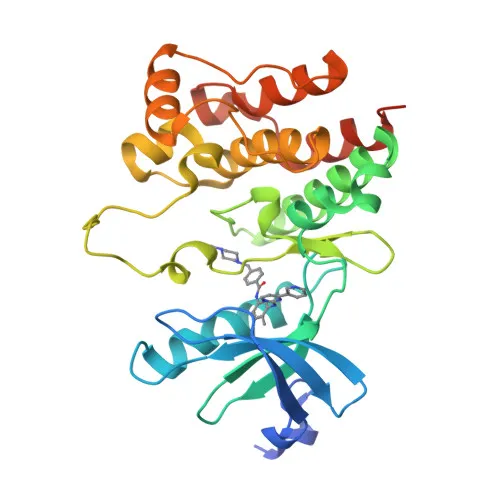
- Post-translational modifications include N-terminal myristoylation and palmitoylation for membrane anchoring, and regulatory phosphorylation at key tyrosines, including Y505 (inhibitory). It contains SH2 and SH3 domains and is classified as a proto-oncogene and a kinase.
Experimental Guidance and Technical Tips
- The antibody is raised against a synthetic phosphopeptide corresponding to the Y505 region of human Lck; it is designed to specifically recognize Lck phosphorylated at Y505.
- For Western blot (WB), consider using cell or tissue lysates from human T-cell lines (e.g., Jurkat) with appropriate phosphatase inhibitors to preserve phosphorylation. A band around 58 kDa is expected.
- Immunoprecipitation (IP) may require optimization of antibody concentration and lysis buffer conditions; verify eluted proteins by WB.
- In ELISA, the antibody can be used to detect phospho-Lck-Y505 in peptide-based assays; plate coating and detection conditions should be empirically determined.
- Always validate the antibody in the relevant sample system and application context, as performance may vary with experimental conditions.
CamelBio: Your One-Stop Sourcing Bridge
CamelBio serves as a one-stop sourcing partner for IVD raw materials, supporting diagnostic manufacturers and research laboratories from concept to clinic. For Lck-related research and T-cell signaling studies, we supply validated antibody pairs, optimized monoclonal and polyclonal antibodies, bulk ancillary reagents, and assist with rare target raw-material procurement. Contact our team to streamline your sourcing needs and accelerate your diagnostic development projects.
REQUEST A QUOTE
Our professional team will reply to you within one business day. Please feel free to contact us!