Phosphorylated Antibodies
Phospho-Histone H3-S10/T11 Rabbit pAb - Q16695 / P68431
Item Number : CM0001434
Price varies based on specs and customizations
- Application
- WB, IHC-P, IF/ICC, ELISA
- Cross Reactivity
- Human, Mouse, Rat, Other (Wide Range Predicted)
- Protein Weight
- 15kDa

Shipping:
Contact us to get shipping details Enjoy On-time Dispatch Guarantee.
Why Choose Us
Easy ordering process, quality products, and dedicated support for your business success.
Core Product Specifications and Parameters
| Parameter | Value |
|---|---|
| Product Name | Phospho-Histone H3-S10/T11 Rabbit pAb |
| Remarks/Alias | H3/A; H3C2; H3C3; H3C4; H3C6; H3C7; H3C8; H3FA; H3C10; H3C11; H3C12; HIST1H3A; Phospho-Histone H3-S10/T11 |
| Species | Human |
| GeneID (human) | H3 |
| GeneID | 8290/8350 |
| Immunogen | Synthetic Peptide|A synthetic phosphorylated peptide around S10 & T11 of human Histone H3 (NP_003520.1). |
| Source | Rabbit |
| Category | Phosphorylated Antibodies |
| Application | WB, IHC-P, IF/ICC, ELISA |
| Cross Reactivity | Human, Mouse, Rat, Other (Wide Range Predicted) |
| SWISS | Q16695/P68431 |
| Protein Weight | 15kDa |
| Shipping | Ice bag |
Biological Background: Histone H3.1t Function and Localization
- Histone H3.1t, also known as H3/g or Histone H3.4, is a testis-specific histone H3 variant encoded by the H3-4 gene (H3FT, HIST3H3).
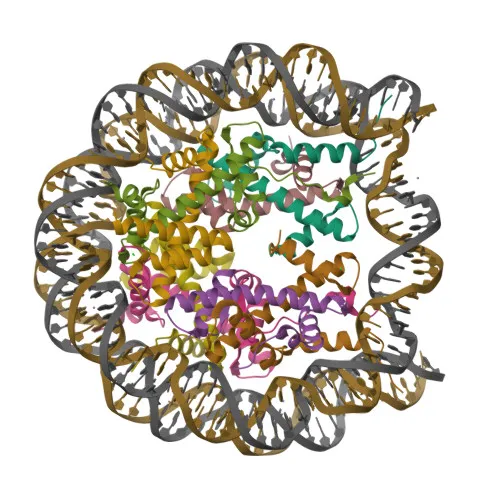
- It serves as a core component of the nucleosome, wrapping and compacting DNA into chromatin to restrict DNA accessibility for transcription, replication, and repair machineries.
- Through its role in chromatin structure, Histone H3.1t is centrally involved in transcription regulation, DNA repair, DNA replication, and chromosomal stability.
- DNA accessibility is finely tuned by a complex array of post-translational modifications (the “histone code”), with Histone H3.1t being a substrate for acetylation, methylation, phosphorylation, and other modifications.
- The protein localizes to the nucleus and is associated with chromosomes throughout the cell cycle.
- Its expression appears restricted to testicular cells, suggesting specialized functions in germ cell development or chromatin organization in the testis.
- According to UniProt, additional modifications on Histone H3.1t include ADP-ribosylation, citrullination, hydroxylation, and ubiquitination, reflecting the diverse regulatory potential of this histone.
Experimental Guidance and Technical Tips
- For Western blot (WB) detection of phospho-Histone H3 (Ser10/Thr11), include phosphatase inhibitors in lysis buffers to preserve the phosphorylation signal.
- In immunohistochemistry (IHC-P) and immunofluorescence (IF/ICC), antigen retrieval conditions (e.g., citrate vs. EDTA, pH) should be optimized, as harsh treatments may affect the phosphorylated epitope.
- Verify the phospho-specificity of the antibody by treating cell extracts with lambda phosphatase or performing peptide competition with non-phosphorylated and phosphorylated peptides.
- The predicted wide species reactivity suggests that the antibody may recognize the conserved phosphorylation motif across diverse organisms; however, validation in the specific system of interest is recommended.
CamelBio: Your One-Stop Sourcing Bridge
CamelBio serves as a comprehensive sourcing partner for IVD raw materials, offering ready access to validated phospho-specific antibodies such as this anti-Histone H3 pS10/pT11 polyclonal antibody, along with matched antigen pairs, bulk ancillary reagents, and custom procurement for rare targets. Whether your focus is chromatin biology, epigenetic assay development, or cell cycle analysis, CamelBio’s integrated supply chain and technical support help streamline your transition from concept to clinic. Contact us to explore how we can support your diagnostic or research programs with reliable, high-quality raw materials.
REQUEST A QUOTE
Our professional team will reply to you within one business day. Please feel free to contact us!